Best Calendula Oil for DIY Skincare: Crafter's Buying Guide
For DIY skincare enthusiasts, finding the perfect calendula oil can transform your homemade creations from ordinary to extraordinary. This golden botanical treasure, derived from marigold flowers, has been cherished by crafters for generations in traditional beauty preparations. Whether you're planning to create your first batch of DIY calendula recipes or you're a seasoned formulator seeking the finest ingredients, understanding what makes exceptional calendula oil is essential for your crafting success.
The world of calendula oil can seem overwhelming with countless brands, extraction methods, and quality levels available. This comprehensive guide will navigate you through the essential factors that distinguish premium calendula oil from inferior products, ensuring your DIY skincare projects achieve the beautiful results you envision.
Understanding Calendula Oil Quality: The Foundation of Great DIY Products
When selecting calendula oil for DIY projects, quality should be your paramount concern. The difference between exceptional and mediocre calendula oil lies in several critical factors that directly impact your finished products' appearance, texture, and shelf life.
Extraction Method: The Heart of Quality
The method used to extract calendula oil significantly influences its quality and suitability for DIY applications. Understanding these processes helps you make informed purchasing decisions.
Oil Infusion Method: Traditional oil infusion involves steeping calendula petals in carrier oils like sunflower, olive, or jojoba oil. This gentle process preserves the flower's natural compounds while creating a beautifully colored, craft-ready oil. Look for products that specify their infusion time—quality producers typically infuse for several weeks to achieve optimal potency.
CO2 Extraction: This modern method produces highly concentrated calendula extract that's often diluted in carrier oils for DIY use. While more expensive, CO2-extracted calendula offers consistent quality and longer shelf life, making it excellent for serious crafters.
Solvent Extraction: Generally avoided by quality-conscious crafters, this method may leave residual chemicals that can interfere with your DIY formulations.
Carrier Oil Selection: Your Foundation Matters
Since most calendula oils are infusions, the carrier oil quality directly affects your DIY results. Premium calendula oils use high-grade carrier oils that complement the calendula's properties:
- Sunflower Oil: Light, non-comedogenic, and stable—ideal for facial preparations
- Olive Oil: Rich and nourishing, perfect for body care products
- Jojoba Oil: Technically a wax ester, offers excellent stability and skin compatibility
- Fractionated Coconut Oil: Light, stable, and easily absorbed
Key Features to Compare When Shopping
When evaluating different calendula oil options for your DIY projects, several key features will determine which product best suits your crafting needs.
Color and Appearance
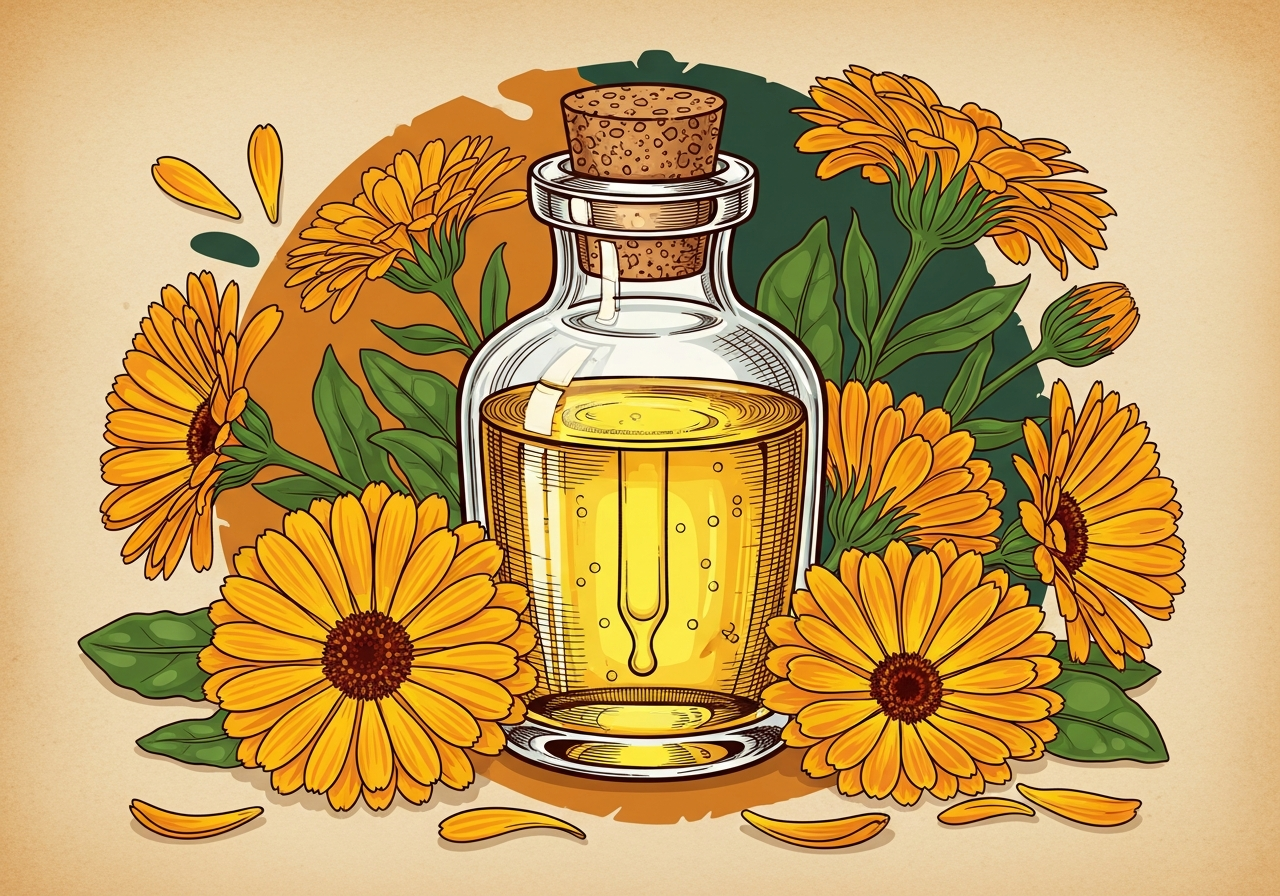
High-quality calendula oil displays a beautiful golden to deep amber color, indicating proper extraction and flower quality. The oil should be clear without sediment or cloudiness. While color intensity doesn't always correlate with quality, very pale oils may indicate weak infusion or poor flower quality.
Consistency and Texture
Premium calendula oil flows smoothly without being too thick or thin. The consistency should match the carrier oil's natural properties—for instance, calendula in jojoba oil will be lighter than calendula in olive oil. Avoid oils that seem unusually viscous or have separated.
Scent Profile
Quality calendula oil possesses a gentle, herbaceous aroma with subtle honey-like notes. The scent should be pleasant and not overpowering, rancid, or chemically sharp. Some carrier oils may influence the overall scent profile, which is normal and expected.
Packaging and Storage
Professional-grade calendula oil comes in dark glass bottles that protect against light degradation. Amber or cobalt blue glass is preferred. Avoid products in clear plastic containers, as these offer minimal protection and may affect oil quality over time.
Organic Certification
While not mandatory, organic certification indicates adherence to strict growing and processing standards. For DIY skincare, organic calendula oil provides peace of mind regarding pesticide residues and synthetic additives.
Quality Indicators: What to Look For
Identifying high-quality calendula oil requires attention to specific markers that indicate superior sourcing, processing, and handling.
Sourcing Transparency
Reputable suppliers provide detailed information about their calendula sources. Look for companies that specify:
- Geographic origin of calendula flowers
- Growing practices (organic, wild-crafted, cultivated)
- Harvest timing and methods
- Processing location and facilities
Third-Party Testing
Premium calendula oil undergoes independent laboratory testing for purity, potency, and contaminants. Companies that invest in third-party testing typically provide certificates of analysis (COAs) upon request, demonstrating commitment to quality.
Batch Information
Quality producers include batch numbers and production dates on their labels, allowing for traceability and freshness verification. This information proves invaluable when assessing oil quality and shelf life.
Price Point Analysis: Getting the Best Value
Understanding calendula oil pricing helps you make smart purchasing decisions without compromising quality or breaking your DIY budget.
Budget-Friendly Options ($15-25 per ounce)
Entry-level calendula oils in this range often use simple infusion methods with common carrier oils like sunflower or safflower. While suitable for basic DIY projects, they may lack the potency and shelf life of premium options. These oils work well for:
- Beginner DIY projects
- Large-batch preparations where cost matters
- Testing recipes before investing in premium ingredients
Mid-Range Selections ($25-45 per ounce)
This category typically offers organic certification, better carrier oil selection, and more controlled processing. Mid-range calendula oils provide excellent value for regular DIY crafters who want quality without premium pricing. Expect:
- Organic or wild-crafted flowers
- Premium carrier oil options
- Better packaging and labeling
- Longer shelf life
Premium Products ($45+ per ounce)
Top-tier calendula oils justify their pricing through superior sourcing, advanced extraction methods, and exceptional quality control. These products excel in:
- CO2 extraction methods
- Rare or specialty carrier oils
- Artisanal small-batch production
- Extensive testing and documentation
- Professional-grade formulating applications
Top Picks by Category
Based on quality indicators, crafting suitability, and value propositions, here are recommended calendula oil categories for different DIY needs.
Best Overall Value
Look for organic calendula oils infused in high-quality sunflower or jojoba oil, offered by established botanical suppliers. These products typically balance quality, price, and versatility for most DIY applications. Key features include organic certification, amber glass packaging, and detailed sourcing information.
Best for Sensitive Formulations
For facial products or sensitive skin applications, seek calendula oil infused in jojoba oil or fractionated coconut oil. These carrier oils offer excellent compatibility and stability for delicate formulations.
Best for Body Care Products
Rich calendula oils infused in olive oil or sunflower oil excel in body lotions, balms, and massage oils. Their heavier consistency and nourishing properties complement body care formulations beautifully.
Best for Professional-Level Crafting
CO2-extracted calendula in premium carrier oils serves serious formulators who demand consistency and potency. While more expensive, these products offer superior shelf life and formulating reliability.
Red Flags: What to Avoid
Recognizing inferior calendula oil protects your DIY investments and ensures crafting success. Avoid products displaying these warning signs:
Suspiciously Low Prices
Calendula oil priced significantly below market averages often indicates corners cut in sourcing, processing, or quality control. While bargains exist, extremely cheap calendula oil rarely delivers satisfactory DIY results.
Vague or Missing Information
Products lacking specific details about extraction methods, carrier oils, or sourcing raise quality concerns. Reputable suppliers readily share this information with customers.
Clear or Plastic Packaging
Calendula oil in clear containers or plastic bottles shows disregard for product integrity. Light exposure and plastic interaction can degrade oil quality over time.
Artificial Coloring or Fragrance
Some inferior products use artificial additives to mimic quality calendula oil's appearance or scent. Always check ingredient lists for synthetic additions.
No Batch or Date Information
Missing production dates or batch numbers indicate poor quality control and make it impossible to assess freshness or track quality issues.
Where to Buy: Sourcing Your Perfect Calendula Oil
Finding reliable suppliers ensures consistent access to quality calendula oil for your ongoing DIY projects.
Specialty Botanical Suppliers
Companies specializing in botanical oils often provide the highest quality calendula products. These suppliers understand crafters' needs and maintain rigorous quality standards. Many offer bulk pricing for regular customers and detailed product documentation.
Health Food Stores
Well-established health food retailers typically carry quality calendula oil from reputable brands. Shopping in person allows you to examine packaging, read labels thoroughly, and ask knowledgeable staff questions.
Online Marketplaces
While convenient, online shopping requires extra caution. Stick to established sellers with detailed product descriptions, customer reviews, and clear return policies. Avoid marketplace sellers with limited information or suspicious pricing.
Direct from Producers
Purchasing directly from calendula oil producers often provides the freshest products and best prices. Many artisanal producers offer seasonal harvests and custom infusion options for dedicated crafters.
Storage and Handling: Protecting Your Investment
Proper storage maximizes your calendula oil's shelf life and maintains quality for optimal DIY results.
Ideal Storage Conditions
Store calendula oil in a cool, dark location away from temperature fluctuations. A consistent temperature between 60-70°F prevents oxidation and maintains quality. Avoid bathrooms, kitchens, or areas with heat sources.
Container Management
Keep calendula oil in its original amber glass container when possible. If transferring to smaller bottles for convenience, use dark glass and label with purchase dates. Always ensure caps are tightly sealed to prevent oxidation.
Quality Monitoring
Regularly check your calendula oil for signs of rancidity or degradation. Fresh calendula oil maintains its golden color, pleasant aroma, and smooth consistency. Any off-odors, color changes, or texture alterations indicate potential quality loss.
Making the Most of Your Purchase
Once you've selected the perfect calendula oil, maximize its potential in your DIY projects through proper usage and creative applications.
Starting Simple
Begin with basic formulations to familiarize yourself with your calendula oil's characteristics. Simple recipes allow you to appreciate the oil's unique properties before attempting complex formulations. Consider exploring various DIY calendula recipes to discover your oil's versatility.
Blending Considerations
When incorporating calendula oil into DIY formulations, consider its carrier oil base and how it interacts with other ingredients. Some carrier oils blend more readily than others, affecting final product texture and stability.
Documentation and Testing
Keep detailed records of your DIY experiments, noting calendula oil brands, concentrations, and results. This documentation helps you refine future formulations and identify your preferred products for different applications.
Seasonal Considerations and Bulk Purchasing
Understanding calendula oil seasonality and bulk buying strategies can improve both quality and cost-effectiveness of your DIY ingredient sourcing.
Harvest Timing
Fresh calendula harvests typically occur in late summer and early fall, when flowers reach peak potency. Oils processed from fresh harvests often display superior color and characteristics compared to those made from stored flowers.
Bulk Buying Benefits
For active DIY crafters, purchasing calendula oil in larger quantities often provides significant savings. However, consider your usage rate and oil shelf life before committing to large purchases. Most quality calendula oils maintain optimal characteristics for 12-18 months when properly stored.
Building Supplier Relationships
Developing relationships with quality calendula oil suppliers can lead to better pricing, advance notice of fresh batches, and access to specialty products. Many suppliers appreciate loyal customers and may offer exclusive products or bulk discounts.
Conclusion: Your Path to DIY Success
Selecting the best calendula oil for recipes requires balancing quality, price, and your specific crafting needs. By understanding extraction methods, quality indicators, and sourcing options, you can confidently choose calendula oil that elevates your DIY skincare projects from amateur attempts to professional-quality creations.
Remember that the perfect calendula oil for your projects depends on your formulating goals, budget, and quality expectations. Start with mid-range options to establish your preferences, then adjust your selections based on experience and evolving needs.
Whether you're just beginning your DIY journey or you're an experienced formulator seeking to upgrade your ingredients, the right calendula oil serves as a cornerstone for beautiful, effective skincare products. Take time to research suppliers, compare options, and invest in quality—your finished products and satisfaction will reflect this careful attention to ingredient selection.
For those interested in creating their own infusions, consider learning how to make calendula oil at home, which can complement your purchased oils or provide backup supplies. Additionally, understanding calendula oil quality factors in greater depth will continue improving your ingredient selection skills as your DIY expertise grows.
Happy crafting, and may your calendula oil selections bring golden success to all your DIY skincare adventures!