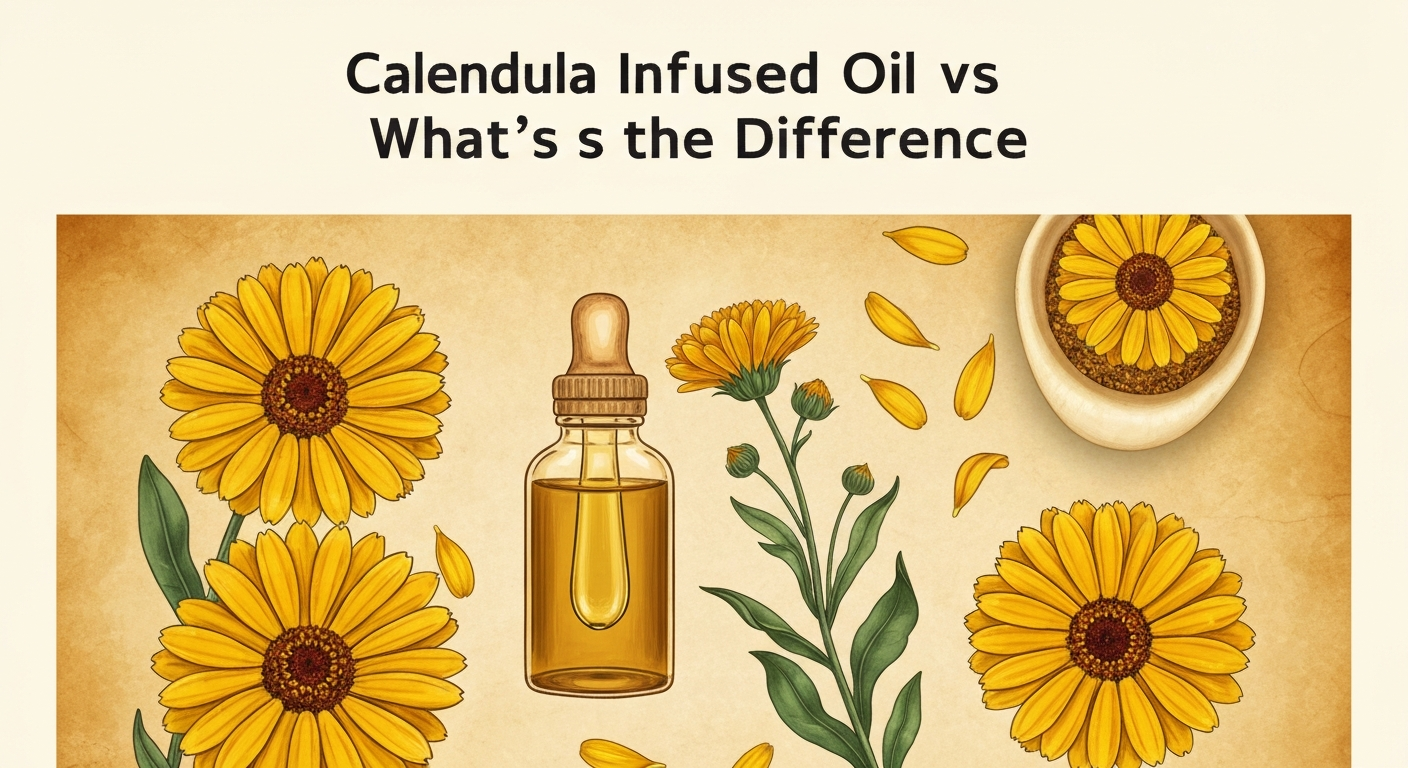
Calendula Infused Oil vs Essential Oil: What's the Difference?
When exploring the golden world of calendula oil, many people encounter a common point of confusion: the difference between calendula infused oil and calendula essential oil. While both derive from the cheerful marigold petals of Calendula officinalis, these two products are remarkably different in their creation, composition, and applications. Understanding these distinctions can help you make an informed choice for your botanical pursuits.
The confusion often stems from overlapping terminology in the natural products world. Many manufacturers and retailers use "calendula oil" as an umbrella term, leaving consumers uncertain about which product they're actually purchasing. This comprehensive comparison will clarify the fundamental differences and help you determine which option aligns with your specific needs.
Understanding the Fundamentals
Before diving into the comparison, it's essential to understand what defines each type of calendula oil. The primary distinction lies in how these oils are created and what they actually contain.
What is Calendula Infused Oil?
Calendula infused oil, also known as calendula carrier oil or oil macerate, is created through a process where calendula petals are steeped in a carrier oil for an extended period. Common carrier oils include olive oil, sunflower oil, or jojoba oil. During this calendula oil extraction process, the carrier oil draws out the oil-soluble compounds from the plant material, creating a golden-hued infusion that retains many of the flower's beneficial properties.
This traditional method has been used for centuries, with historical records showing its popularity in European folk practices. The resulting product is gentle, versatile, and ready to use directly on the skin in most cases.
What is Calendula Essential Oil?
Calendula essential oil is a highly concentrated aromatic compound extracted through steam distillation or solvent extraction. However, here's where it gets interesting: true calendula essential oil is extremely rare and expensive to produce because calendula flowers contain very low levels of volatile oils.
Most commercially available "calendula essential oil" is actually calendula absolute, produced using solvent extraction, or it may be calendula-infused essential oil blends. Pure calendula essential oil, when available, requires enormous quantities of flowers to produce even small amounts, making it one of the more costly essential oils on the market.
Detailed Comparison Table
| Attribute | Calendula Infused Oil | Calendula Essential Oil |
|---|---|---|
| Extraction Method | Cold infusion or heat extraction in carrier oil | Steam distillation or solvent extraction |
| Concentration | Mild to moderate | Highly concentrated |
| Ready-to-Use | Yes, can be applied directly | No, requires dilution in carrier oil |
| Shelf Life | 6-12 months (depends on carrier oil) | 2-3 years when stored properly |
| Cost | Moderate | Very expensive (true essential oil) |
| Availability | Widely available | Rare for pure essential oil |
| Color | Golden yellow to amber | Pale yellow to colorless |
| Consistency | Light to medium oil consistency | Thin, volatile liquid |
| Aroma | Mild, herbaceous with carrier oil notes | Intense, concentrated floral aroma |
| Best Storage | Cool, dark place in glass bottle | Cool, dark place in dark glass bottle |
Calendula Infused Oil: Pros and Cons
Advantages of Calendula Infused Oil
- Ready to Use: No dilution required for most topical applications
- Gentle Nature: Suitable for sensitive skin types when patch tested
- Cost-Effective: More affordable than true essential oils
- Easy to Make: Can be prepared at home with simple methods
- Versatile Applications: Works well for massage oils, skincare formulations, and craft projects
- Stable Consistency: Easier to work with in DIY preparations
- Widely Available: Found at most natural health stores and online retailers
Disadvantages of Calendula Infused Oil
- Shorter Shelf Life: Carrier oils can go rancid, especially if not stored properly
- Lower Concentration: Less potent than essential oil preparations
- Carrier Oil Dependencies: Properties affected by the base oil used
- Potential Allergies: Some individuals may react to the carrier oil
- Storage Requirements: Requires careful storage to prevent oxidation
- Variable Quality: Quality depends heavily on extraction method and flower quality
Calendula Essential Oil: Pros and Cons
Advantages of Calendula Essential Oil
- High Concentration: Very potent with small amounts needed
- Long Shelf Life: Properly stored essential oils can last years
- Aromatherapy Applications: Suitable for diffusion and aromatic use
- Compact Storage: Small bottles take minimal space
- Blend Compatibility: Mixes well with other essential oils
- Pure Extraction: Contains only plant compounds (when authentic)
Disadvantages of Calendula Essential Oil
- Extremely Expensive: True calendula essential oil commands premium prices
- Rare Availability: Genuine calendula essential oil is difficult to find
- Requires Dilution: Cannot be used directly on skin without carrier oil
- Potential for Adulteration: Many products labeled as calendula essential oil are actually blends or absolutes
- Safety Considerations: Concentrated nature requires careful handling and proper dilution ratios
- Limited Research: Less studied compared to other essential oils
Best Use Cases for Each Type
When to Choose Calendula Infused Oil
Calendula infused oil excels in situations where gentle, direct application is desired. Consider this option when you're looking for:
- Daily Skincare Routines: As a moisturizing oil for face and body
- Massage Applications: Professional or home massage with botanical benefits
- DIY Cosmetics: Base ingredient for homemade balms, lotions, and creams
- Beginner-Friendly Projects: Easy to work with for those new to natural products
- Budget-Conscious Choices: When cost is a primary consideration
- Large Quantity Needs: For commercial or frequent use applications
When to Choose Calendula Essential Oil
Calendula essential oil (when authentic and available) is better suited for:
- Aromatherapy Practices: For diffusion and aromatic blending
- Concentrated Formulations: When maximum potency is desired in minimal volume
- Essential Oil Collections: For serious aromatherapy enthusiasts
- Professional Formulations: In commercial product development where concentration matters
- Perfumery Applications: As a unique floral note in natural fragrances
- Long-Term Storage: When shelf stability is crucial
Quality Considerations and Shopping Tips
Regardless of which type you choose, quality should be your primary concern. Here are key factors to evaluate:
For Calendula Infused Oil:
- Look for organic, pesticide-free calendula flowers
- Check the carrier oil quality and expiration dates
- Verify extraction methods (cold-pressed preferred)
- Examine color and aroma for freshness indicators
- Research the manufacturer's reputation and sourcing practices
For Calendula Essential Oil:
- Verify authenticity through third-party testing certificates
- Question unusually low prices (likely indicates adulterated products)
- Check extraction method details
- Look for batch numbers and expiration dates
- Research the distiller's reputation and experience
Safety Considerations
Both types of calendula oil are generally considered gentle, but proper safety protocols should always be observed:
Important Safety Note: Always perform a patch test before using any new topical product. Apply a small amount to a discrete area of skin and wait 24-48 hours to check for any adverse reactions. Consult with a qualified healthcare provider before using any natural products, especially if you have known allergies, skin conditions, or are pregnant or nursing.
Infused Oil Safety:
- Check carrier oil allergies before use
- Store properly to prevent rancidity
- Monitor for changes in color, smell, or consistency
- Use within recommended timeframes
Essential Oil Safety:
- Always dilute before topical use (typical dilution: 1-2% for adults)
- Keep away from eyes and mucous membranes
- Store in dark, cool conditions
- Keep out of reach of children and pets
The Verdict: Which Should You Choose?
The choice between calendula infused oil and essential oil ultimately depends on your specific needs, budget, and intended applications. Here's our recommendation framework:
Choose Calendula Infused Oil If:
- You're new to natural skincare products
- You want a ready-to-use option
- Budget is a primary consideration
- You need larger quantities
- You prefer gentler, diluted preparations
- You're interested in massage or body oils
Choose Calendula Essential Oil If:
- You're an experienced essential oil user
- Aromatherapy is your primary interest
- You need maximum concentration in minimal volume
- Long-term storage is important
- You're willing to invest in premium products
- You're creating professional-grade formulations
For most people entering the world of calendula oils, infused oil represents the best starting point. It offers accessibility, affordability, and versatility while still providing the traditional benefits that have made calendula beloved for generations. As your knowledge and needs evolve, you might later explore the concentrated world of true calendula essential oil.
Remember, the most important factor isn't which type you choose, but rather that you select high-quality products from reputable sources. Whether you opt for the gentle embrace of infused oil or the concentrated potency of essential oil, calendula's golden legacy continues to offer its timeless botanical wisdom to those who seek it.