
Calendula Oil Carotenoids: Why It's Golden & Why That Matters
The vibrant golden-orange hue of calendula oil isn't just beautiful—it's a direct window into the botanical chemistry that makes this plant-derived oil so distinctive. When you hold a bottle of high-quality calendula oil up to the light, that rich amber glow tells a story of carotenoids, antioxidant compounds, and the intricate processes that transform sunny marigold petals into liquid gold.
Understanding calendula oil carotenoids offers fascinating insights into both the botanical origins of this treasured oil and the quality indicators that help discerning consumers choose the finest products. From the molecular structure of these pigment compounds to their role in traditional botanical applications, the science behind calendula's color reveals why this ancient healing plant has captured human attention for centuries.
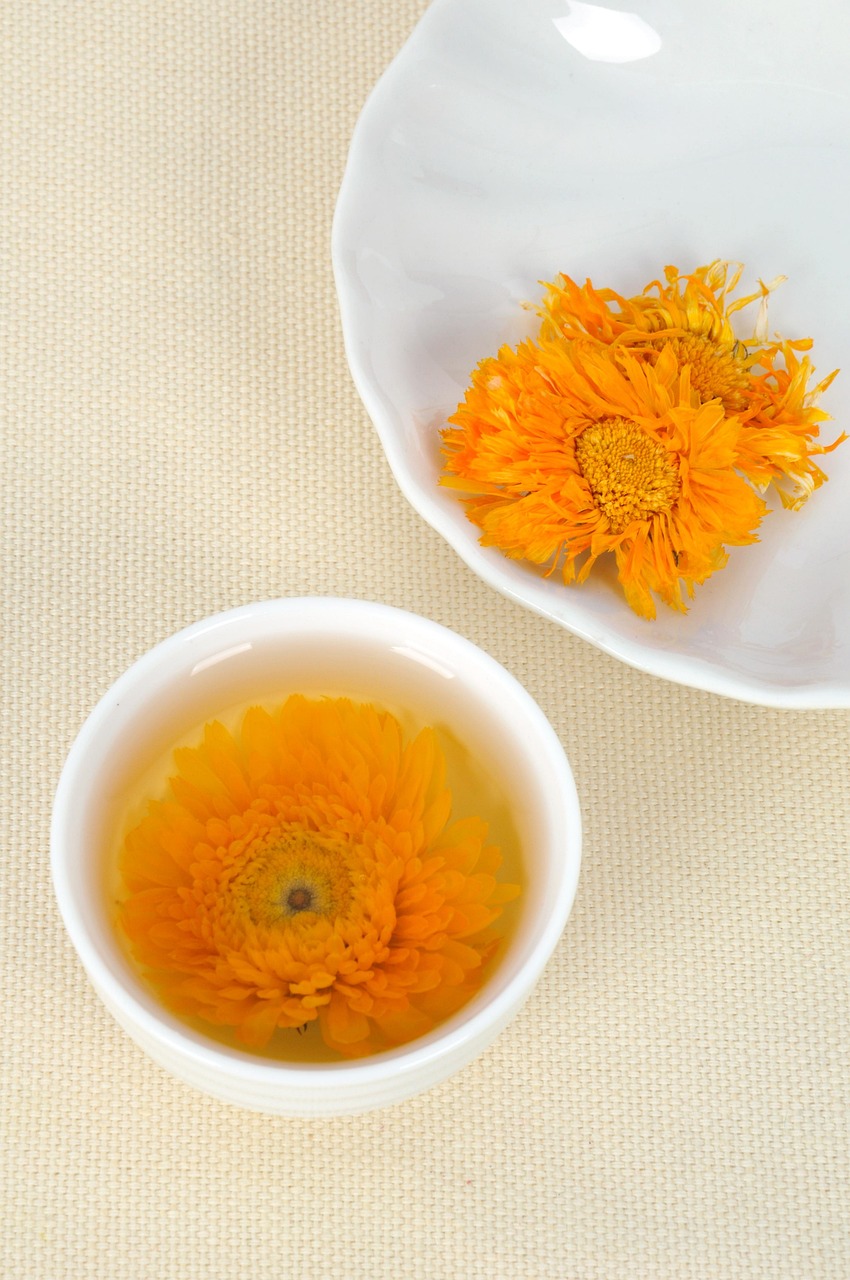
The Chemistry Behind Calendula's Golden Glow
The distinctive color that makes people wonder why calendula oil is orange stems from a complex family of organic compounds called carotenoids. These naturally occurring pigments are responsible for the yellow, orange, and red colors we see throughout the plant kingdom—from carrots and pumpkins to autumn leaves and, of course, calendula petals.
Research has identified several specific carotenoid compounds in calendula flowers, with lutein and beta-carotene being among the most prominent. A study published in the Journal of Agricultural and Food Chemistry found that calendula petals contain particularly high concentrations of lutein esters, which contribute significantly to both the plant's vibrant appearance and its chemical profile.
Primary Carotenoid Compounds in Calendula
Scientific analysis has revealed several key carotenoid compounds that contribute to calendula's characteristic appearance:
- Lutein and lutein esters: These xanthophyll compounds create the deep yellow-orange base color and are among the most abundant carotenoids in calendula petals.
- Beta-carotene: A precursor to vitamin A, this compound adds to the orange intensity and is well-known for its antioxidant properties.
- Lycopene: While present in smaller quantities, this red-pigmented carotenoid contributes to the deeper orange tones in some calendula varieties.
- Zeaxanthin: Another xanthophyll that works synergistically with lutein to create calendula's distinctive color profile.
The concentration of these compounds varies depending on growing conditions, harvest timing, and processing methods—factors that directly influence both the color intensity and overall calendula oil properties of the final product.

From Petal to Oil: How Carotenoids Transfer
The journey from golden calendula petals to oil involves fascinating chemistry that determines both color and composition. Different extraction methods influence how effectively these fat-soluble carotenoids transfer from plant material to the final oil product.
Oil Infusion Methods and Carotenoid Retention
Traditional oil infusion methods, whether using solar extraction, gentle heat, or cold maceration, create an environment where carotenoids can dissolve into carrier oils. Research suggests that fat-soluble carotenoids readily migrate from calendula petals into oil mediums, with the efficiency of this transfer depending on several factors:
- Temperature control: Gentle heat may increase carotenoid solubility, but excessive heat can degrade these sensitive compounds
- Extraction duration: Longer infusion times generally allow for more complete carotenoid transfer
- Petal-to-oil ratio: Higher concentrations of fresh petals typically result in more intensely colored oils
- Carrier oil selection: Some carrier oils may better preserve carotenoid stability than others
Studies on plant pigment extraction have shown that carotenoids are particularly stable in oil environments when protected from light and excessive heat, which explains why properly stored calendula oil maintains its golden color over time.
Research Observations on Carotenoid Activity
Scientific literature contains numerous observations about carotenoid compounds and their various properties. While we cannot make medical claims, research has documented interesting characteristics of these pigment compounds that help explain their traditional uses in botanical preparations.
Antioxidant Properties
Multiple studies have documented the antioxidant activity of carotenoid compounds. Research published in Free Radical Biology and Medicine noted that lutein and other xanthophyll compounds demonstrate significant free radical scavenging activity in laboratory tests. These findings provide scientific context for understanding why calendula has been traditionally valued in botanical preparations.
The antioxidant profile of calendula oil extends beyond carotenoids, as discussed in our comprehensive guide to calendula oil antioxidants, but the carotenoid compounds play a notable role in this overall activity profile.
Stability and Bioavailability
Research suggests that carotenoids in oil-based preparations may have different stability profiles compared to those in aqueous extracts. A study in the Journal of Food Science observed that carotenoids suspended in oil mediums showed enhanced stability when stored properly, with minimal degradation over extended periods when protected from light and oxygen exposure.
Some research has also suggested that the bioavailability of carotenoids may be enhanced when they're consumed or applied in oil-based forms, though this research primarily focuses on dietary rather than topical applications.
Quality Indicators: Reading the Golden Signs
The color of calendula oil serves as one of the most immediate quality indicators available to consumers. Understanding how to interpret these visual cues can help ensure you're selecting high-quality products with optimal carotenoid content.
Color Intensity and Quality Correlation
High-quality calendula oil typically displays a rich, golden-orange color that indicates substantial carotenoid content. However, color alone doesn't tell the complete quality story. Several factors influence the final color of calendula oil:
| Color Characteristic | Quality Indication | Possible Factors |
|---|---|---|
| Deep golden-orange | High carotenoid content, quality extraction | Fresh petals, proper infusion ratios, optimal processing |
| Pale yellow | Lower carotenoid concentration | Insufficient petal-to-oil ratio, over-dilution, poor extraction |
| Brownish tinge | Possible oxidation or heat damage | Excessive processing heat, oxidation, age-related degradation |
| Very intense orange-red | May indicate additives or concentration | Added colorants, concentrated extracts, specific calendula varieties |
When evaluating calendula oil quality, color should be considered alongside other factors such as sourcing transparency, processing methods, and third-party testing.
Sourcing and Processing Impact
The cultivation and processing methods used to create calendula oil significantly impact carotenoid content and retention. Research in agricultural science has shown that factors such as soil composition, climate conditions, and harvest timing all influence the carotenoid concentration in calendula flowers.
Organic cultivation practices, while not necessarily increasing carotenoid content, may help ensure that the oil is free from synthetic pesticides and fertilizers that could potentially interfere with the natural chemistry of the plant. Additionally, small-batch processing methods often allow for better quality control and gentler handling that preserves delicate carotenoid compounds.
Seasonal and Varietal Differences
Not all calendula oil is created equal when it comes to carotenoid content. Research has documented significant variations based on plant variety, growing season, and geographic location.
Calendula Varieties and Carotenoid Profiles
Different cultivars of Calendula officinalis can produce flowers with varying carotenoid concentrations. Studies have shown that some varieties naturally produce higher levels of specific carotenoids, which directly impacts the color intensity and composition of the resulting oil.
Traditional European varieties, for example, may have different carotenoid profiles compared to modern hybrid cultivars developed for commercial flower production. This variation explains why calendula oils from different sources can display subtle differences in color and intensity, even when processing methods are similar.
Seasonal Harvest Timing
Research suggests that the timing of calendula harvest can significantly influence carotenoid content. Studies have indicated that flowers harvested at peak bloom, typically in the morning after dew has evaporated but before the intense midday heat, may contain optimal levels of carotenoid compounds.
Seasonal factors also play a role, with some research suggesting that calendula grown in cooler climates or during specific seasons may develop higher concentrations of certain carotenoids as a response to environmental conditions.
Storage and Stability Considerations
Understanding how carotenoids behave in calendula oil helps inform proper storage practices that maintain both color and quality over time. Research on carotenoid stability has revealed several key factors that influence degradation rates.
Environmental Factors Affecting Carotenoids
Scientific studies have consistently shown that carotenoids are sensitive to several environmental factors:
- Light exposure: Ultraviolet and visible light can break down carotenoid molecules, leading to color fading and potential loss of antioxidant activity
- Oxygen contact: Exposure to air can cause oxidation of carotenoid compounds, resulting in color changes and chemical degradation
- Temperature fluctuations: While heat can initially help extract carotenoids, prolonged exposure to high temperatures can cause molecular breakdown
- pH levels: Some research suggests that carotenoids may be more stable in certain pH ranges, though this is less relevant for oil-based preparations
Best Practices for Carotenoid Preservation
To maintain the carotenoid content and golden color of calendula oil, research-based storage recommendations include:
- Storage in dark glass containers to minimize light exposure
- Keeping containers tightly sealed to prevent oxygen contact
- Maintaining cool, stable temperatures away from heat sources
- Using smaller containers to minimize air space as the product is used
Analytical Methods for Carotenoid Assessment
Modern analytical chemistry provides sophisticated tools for measuring and identifying carotenoid compounds in calendula oil. These methods help researchers understand the complex chemistry behind the golden color and assist quality-conscious producers in standardizing their products.
High-Performance Liquid Chromatography (HPLC)
HPLC analysis represents the gold standard for carotenoid identification and quantification. Research using this method has provided detailed profiles of carotenoid compounds in calendula oils, allowing scientists to identify specific molecules and measure their concentrations with high precision.
Studies using HPLC have revealed that the carotenoid profile of calendula oil is more complex than initially understood, with researchers identifying multiple lutein esters and other compounds that contribute to the overall color and chemical signature.
Spectrophotometric Analysis
Simpler spectrophotometric methods can provide useful information about overall carotenoid content by measuring light absorption at specific wavelengths. Research has established that carotenoids typically show strong absorption in the 400-500 nanometer range, corresponding to blue and blue-green light—which explains why we perceive these compounds as yellow to orange in color.
Safety Profile and Considerations
While carotenoids are generally considered safe compounds found naturally in many foods, it's important to understand any potential considerations when using carotenoid-rich calendula oil.
General Safety Observations
Research on carotenoid safety has generally found these compounds to have favorable safety profiles. Studies have noted that carotenoids are fat-soluble vitamins and vitamin precursors that are commonly consumed in the human diet through colorful fruits and vegetables.
However, as with any botanical product, individual sensitivities can occur. People with known allergies to plants in the Asteraceae family (which includes calendula, daisies, and ragweed) should exercise caution when using calendula-derived products.
Contraindications and Precautions
While carotenoids themselves are generally well-tolerated, several precautions should be considered:
- Pregnancy and nursing: Consult with a healthcare provider before using any botanical products during pregnancy or while breastfeeding
- Medication interactions: While rare with topical use, those taking medications should consult their healthcare provider
- Patch testing: Always perform a patch test before widespread topical use to check for individual sensitivity
- Eye contact: Avoid direct contact with eyes, as the oil consistency and plant compounds may cause irritation
It's always advisable to consult with a qualified healthcare provider before incorporating any new botanical products into your wellness routine, especially if you have underlying health conditions or are taking medications.
The Future of Carotenoid Research
Ongoing research continues to expand our understanding of carotenoid compounds and their various properties. Current scientific investigations are exploring advanced extraction methods, stability enhancement techniques, and detailed biochemical pathways that govern carotenoid activity.
Recent studies have begun investigating how different processing methods might preserve or enhance carotenoid profiles in plant oils, potentially leading to even higher-quality calendula oil products in the future. Additionally, research into the synergistic relationships between carotenoids and other plant compounds may provide new insights into the complex chemistry that makes calendula oil such a fascinating subject of study.
Conclusion: Golden Chemistry Meets Botanical Tradition
The golden glow of calendula oil represents far more than aesthetic appeal—it's a visible manifestation of complex botanical chemistry that has captured human interest for generations. Understanding calendula oil carotenoids provides valuable insight into quality indicators, proper storage methods, and the fascinating intersection of traditional botanical knowledge with modern scientific understanding.
When you next encounter the question of why calendula oil is orange, you'll understand that this vibrant color tells a rich story of carotenoid compounds, careful extraction processes, and the remarkable ability of plants to concentrate and preserve beneficial molecules in forms that humans have learned to value and utilize.
Whether you're a curious consumer seeking to understand product quality indicators or someone fascinated by the science behind botanical preparations, the carotenoid chemistry of calendula oil offers a perfect example of how ancient plant wisdom meets modern analytical understanding. The golden color isn't just beautiful—it's a testament to the sophisticated chemistry that makes calendula oil a truly remarkable botanical product.