
Calendula Oil Foot Soak Recipe for Cracked Heels
Transform your at-home pampering routine with this luxurious calendula foot soak that may help soften and nourish tired feet. This gentle, botanical-infused treatment combines the traditional skin-supporting properties of calendula oil with soothing salts and aromatic herbs for a spa-like experience in your own home.

Calendula, often called "nature's golden healer," has been traditionally used in folk medicine for centuries to support skin wellness. When incorporated into a warming foot soak, this gentle oil may help promote the appearance of softer, more supple skin on often-neglected feet and heels.
Recipe Overview
- Difficulty Level: Beginner
- Prep Time: 5 minutes
- Soak Time: 15-20 minutes
- Yield: One foot soak treatment
- Shelf Life: Use immediately (fresh preparation recommended)
Complete Ingredients List
Base Ingredients
- 4-6 cups warm water (comfortable temperature, not scalding)
- 2 tablespoons pure calendula oil (cold-pressed or infused)
- 1/4 cup Epsom salt
- 2 tablespoons sea salt (fine grain)
Optional Enhancing Ingredients
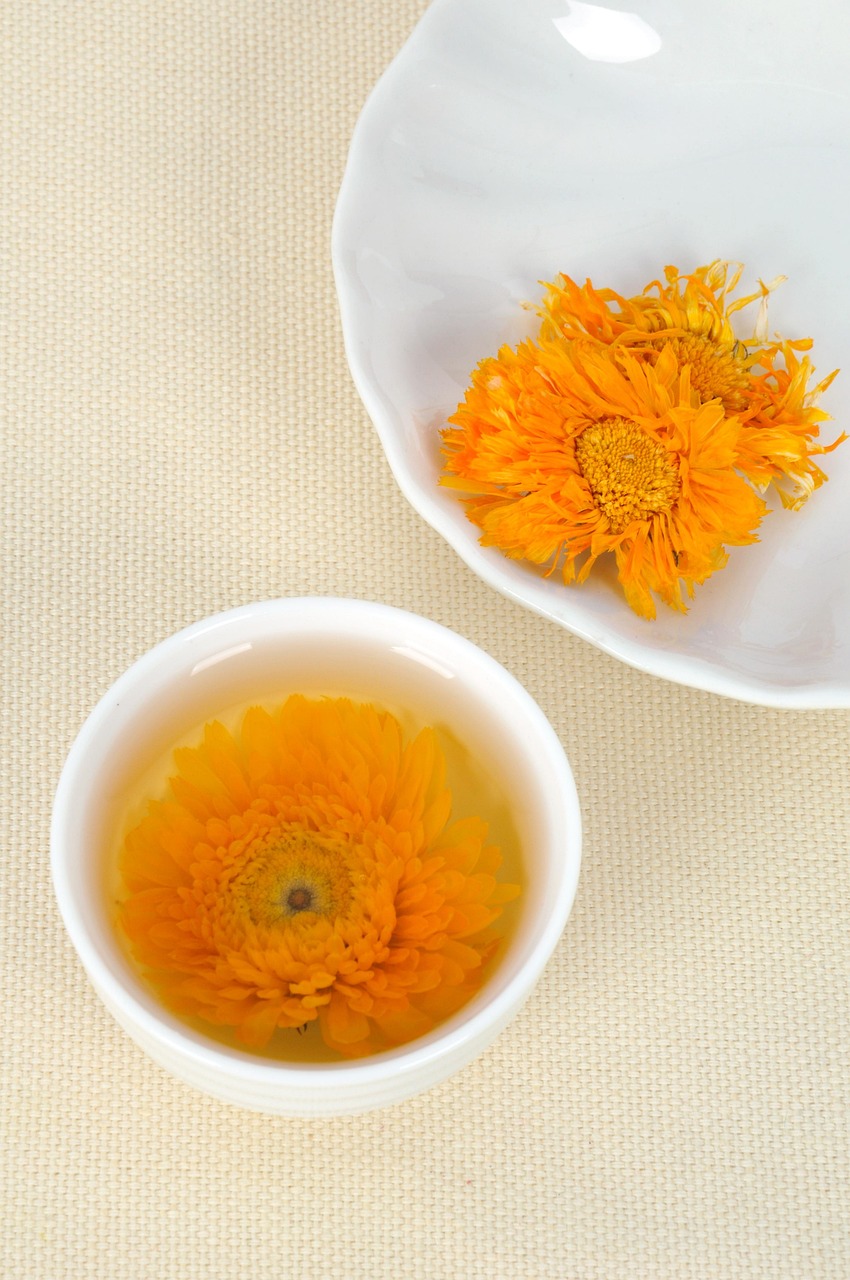
- 1 tablespoon dried calendula petals
- 5-7 drops lavender essential oil (properly diluted)
- 1 tablespoon coconut oil (melted)
- 2 tablespoons rolled oats (for gentle exfoliation)
- 1 teaspoon raw honey
Step-by-Step Instructions
Preparation Phase
- Gather Your Supplies: You'll need a large basin or foot bath, a towel for drying, and a comfortable chair where you can relax during your soak.
- Test Water Temperature: Fill your basin with 4-6 cups of warm water. Test with your wrist or elbow—it should feel comfortably warm, not hot enough to cause discomfort.
- Create the Salt Base: In a small mixing bowl, combine Epsom salt and sea salt. This creates the foundation that may help soften rough skin.
Blending Phase
- Incorporate Calendula Oil: Add the 2 tablespoons of calendula oil to your salt mixture. Stir gently to create a slightly moistened salt blend.
- Add Optional Enhancers: If using dried calendula petals, honey, or melted coconut oil, incorporate these ingredients now. Mix thoroughly.
- Essential Oil Addition: If including lavender essential oil, add it drop by drop to ensure proper dilution. Remember, essential oils should never exceed 0.5-1% concentration in topical applications.
Application Phase
- Dissolve in Water: Add your prepared mixture to the warm water basin. Stir gently with your hand to help dissolve the salts and distribute the oils evenly.
- Pre-Soak Preparation: Before immersing your feet, do a quick patch test by applying a small amount of the mixture to your inner wrist. Wait 2-3 minutes to check for any sensitivity.
- Begin Your Soak: Immerse both feet completely in the mixture. Relax for 15-20 minutes, allowing the botanical ingredients to work their traditional magic.
- Gentle Movement: Occasionally flex your feet or gently massage your heels with the dissolved salts for mild exfoliation.
Post-Soak Care Instructions
After your relaxing soak, pat feet dry with a clean towel rather than rubbing vigorously. For additional nourishment, consider applying a small amount of plain calendula oil to cracked heels while skin is still slightly damp to help lock in moisture.
Safety Warnings and Precautions
Important Safety Notice: Always perform a patch test before full application. Apply a small amount of the mixture to your inner wrist or ankle and wait 24 hours to check for any adverse reactions.
Critical Safety Guidelines
- Dilution Ratios: Never use essential oils undiluted. The concentration in this recipe should not exceed 0.5-1% of the total mixture.
- Temperature Check: Water should be warm and comfortable, never scalding. Hot water can cause burns and may actually dry out skin further.
- Duration Limits: Do not soak for longer than 25 minutes, as extended exposure to water can actually lead to increased skin dryness.
- Open Wound Precaution: Do not use on broken, wounded, or severely cracked skin. Consult a healthcare provider for significant foot health concerns.
Contraindications
Avoid this treatment if you have:
- Known allergies to calendula or any listed ingredients
- Diabetes (consult your healthcare provider first)
- Circulation problems
- Open wounds or infections on feet
- Pregnancy (consult your healthcare provider regarding essential oil use)
Recipe Variations and Substitutions
Soothing Evening Variation
Replace lavender essential oil with chamomile essential oil (same dilution ratio) and add 2 tablespoons of dried chamomile flowers for a calming bedtime treatment.
Energizing Morning Version
Substitute peppermint essential oil (use only 3-4 drops due to its potency) and add fresh mint leaves for an invigorating start to your day.
Budget-Friendly Alternative
If calendula oil isn't available, substitute with sweet almond oil infused with dried calendula petals (steep for 24 hours before straining).
Sensitive Skin Modification
Omit essential oils entirely and double the amount of plain calendula oil for those with sensitive skin or fragrance sensitivities.
Storage Instructions and Shelf Life
This foot soak recipe is designed for immediate use and should not be stored as a pre-mixed solution. However, you can prepare a dry mixture of the salts and store them for future use:
- Dry Salt Blend: Store combined salts in an airtight glass container for up to 6 months
- Oil Additions: Always add calendula oil and any essential oils fresh at the time of use
- Storage Location: Keep dry ingredients in a cool, dry place away from direct sunlight
- Labeling: Clearly label your container with ingredients and date of preparation
Maximizing Your DIY Experience
This DIY calendula recipe represents just one way to incorporate this beloved botanical into your self-care routine. Some people report that regular foot soaks may help promote overall foot comfort and the appearance of softer skin over time.
Consider creating a weekly foot care ritual, perhaps pairing this soak with gentle pumice stone exfoliation or a nourishing foot mask. The traditional use of calendula in folk remedies suggests it may support skin's natural healing processes, though individual results will vary.
Remember, while this natural treatment may provide a luxurious and potentially beneficial experience, it's not intended to replace professional medical care. If you have persistent foot health concerns, always consult with a qualified healthcare provider or podiatrist for proper evaluation and treatment recommendations.
Enjoy this simple yet indulgent way to pamper your feet while exploring the time-honored tradition of botanical self-care.