Calendula Oil for Wound Soothing & Scar Reduction: Clinical Evidence Review
Key Takeaways
- Research suggests calendula oil may support the skin's natural soothing processes through various mechanisms
- Traditional use spans centuries, with European herbalists documenting calendula's topical applications
- Modern studies observe potential benefits for tissue repair, though more clinical research is needed
- Quality and processing methods significantly impact calendula oil's bioactive compounds
- Always consult healthcare providers before using calendula oil on wounds or for scar management
- Proper dilution and patch testing are essential for safe topical use
Table of Contents
- Understanding Calendula Oil's Composition
- Historical Use in Traditional Wound Care
- Clinical Research and Study Findings
- Potential Mechanisms in Wound Soothing
- Scar Formation and Calendula Research
- Safe Application Methods and Protocols
- Quality Factors and Product Selection
- Safety Considerations and Contraindications
The golden petals of Calendula officinalis have captured the attention of researchers and traditional healers alike for their potential role in supporting skin health. As interest in natural approaches to wound care continues to grow, calendula oil has emerged as a subject of increasing scientific inquiry. This comprehensive review examines the current body of research surrounding calendula oil for cuts and wound soothing, while exploring what the evidence suggests about its potential applications in scar reduction.
Understanding the research landscape requires careful examination of both traditional knowledge and modern scientific methods. While centuries of folk use provide valuable insights into calendula's historical applications, contemporary studies offer measurable observations about how this botanical oil may interact with skin tissue. This evidence-based approach helps separate anecdotal claims from documented research findings.
Understanding Calendula Oil's Composition
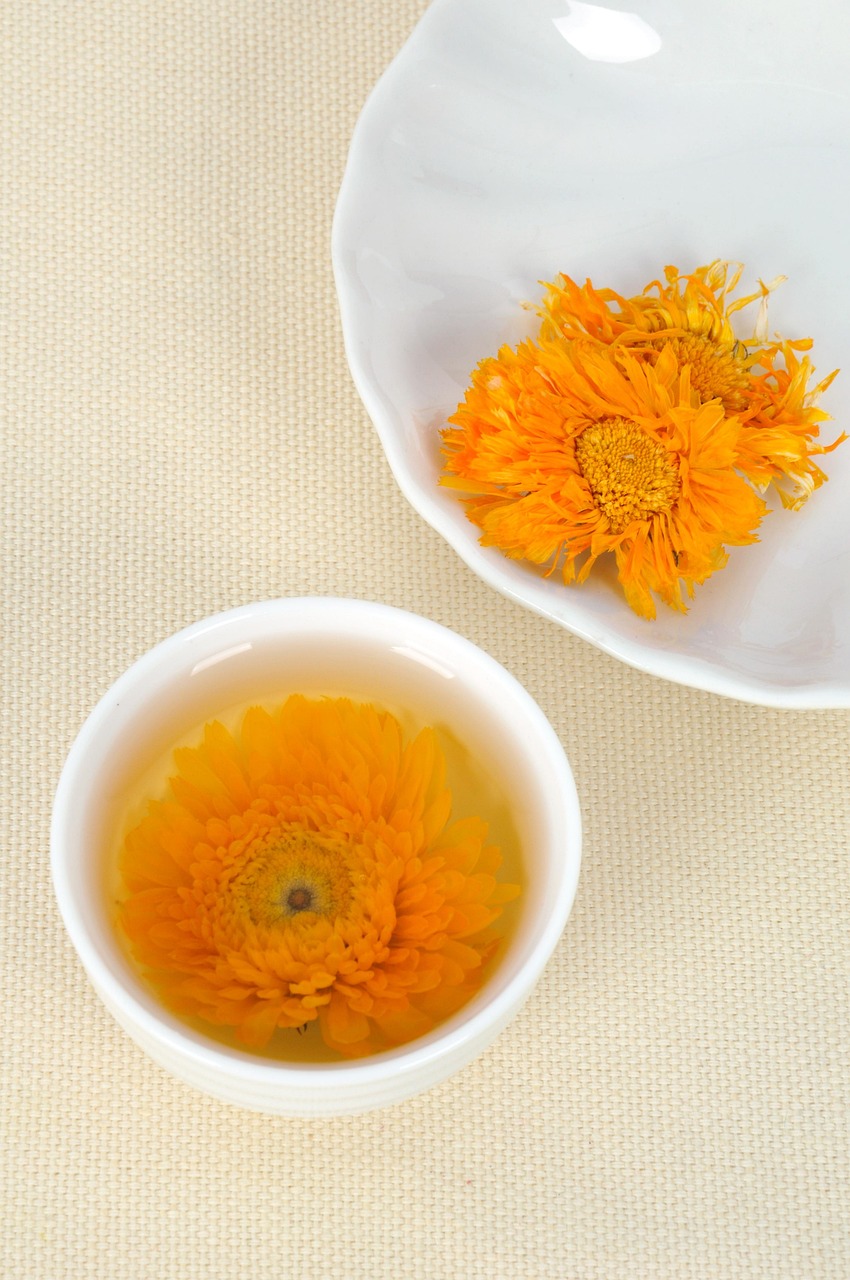
The therapeutic potential of calendula oil for scars and wound soothing may be attributed to its complex phytochemical profile. Research has identified numerous bioactive compounds within calendula flowers, each potentially contributing to the oil's observed effects on skin tissue.
Primary Bioactive Compounds
Scientific analysis reveals that calendula oil contains several classes of compounds that researchers believe may influence skin soothing processes:
- Triterpenes: Including faradiol and arnidiol, which some studies suggest may support anti-inflammatory processes
- Flavonoids: Such as quercetin and rutin, traditionally associated with antioxidant activity
- Carotenoids: Contributing to the oil's characteristic golden color and potential protective properties
- Essential fatty acids: Including linoleic acid, which may support skin barrier function
- Saponins: Compounds that some research indicates may influence tissue repair mechanisms
The concentration and bioavailability of these compounds can vary significantly depending on extraction methods, flower quality, and processing techniques. This variability helps explain why research results may differ between studies using different calendula preparations.
Extraction Methods and Potency
The method used to create calendula oil significantly impacts its therapeutic potential. Traditional oil infusions, CO2 extractions, and solvent-based methods each yield different concentrations of active compounds. Research suggests that certain extraction techniques may preserve more of the delicate bioactive molecules that contribute to calendula's observed effects on wound soothing.
Understanding these variations becomes crucial when evaluating research findings, as studies using different extraction methods may produce varying results. This factor underscores the importance of standardized preparations in clinical research and quality considerations for therapeutic applications.
Historical Use in Traditional Wound Care
The use of calendula for wound care spans numerous cultures and centuries, providing a rich foundation of traditional knowledge that continues to inform modern research directions. European herbalists documented extensive use of calendula preparations for various skin conditions, while traditional soothing systems across different continents incorporated similar applications.
European Herbal Traditions
Historical texts from medieval Europe describe calendula as "marigold" preparations used for supporting wounds, cuts, and skin irritations. Herbalists of the 16th and 17th centuries documented specific preparation methods, including oil infusions created by steeping fresh calendula petals in carrier oils under controlled conditions.
These traditional methods often involved careful attention to harvest timing, typically collecting flowers at peak bloom when essential oil content was believed to be highest. The resulting preparations were reportedly used for various topical applications, though it's important to note that historical accounts lack the scientific rigor of modern clinical studies.
Cross-Cultural Applications
Traditional soothing systems beyond Europe also developed calendula applications for skin care. Indigenous healers in regions where calendula was introduced often incorporated it into existing wound care protocols, suggesting observed benefits that transcended cultural boundaries.
While these historical uses provide valuable context for modern research, they should be understood as traditional practices rather than medical recommendations. Contemporary applications require evidence-based evaluation through controlled scientific studies.
Clinical Research and Study Findings

Modern scientific investigation into calendula oil wound soothing applications has produced a growing body of research, though much work remains to be done. Current studies range from laboratory cell culture experiments to clinical trials, each contributing pieces to our understanding of how calendula may influence wound soothing processes.
Laboratory Studies
In vitro research using cell cultures has provided insights into potential mechanisms by which calendula compounds may influence cellular processes involved in wound soothing. Some laboratory studies have observed:
- Enhanced fibroblast proliferation in cell culture models
- Potential anti-inflammatory effects in tissue samples
- Observed increases in collagen synthesis markers
- Antioxidant activity measurements in controlled environments
While these laboratory findings provide valuable mechanistic insights, it's important to note that cell culture results don't always translate directly to clinical applications in living tissue. The controlled environment of laboratory studies differs significantly from the complex biological processes occurring in actual wound soothing.
Animal Model Research
Several animal studies have investigated calendula's effects on wound soothing, with researchers observing various outcomes. Some notable findings from animal model research include:
| Study Type | Observed Effects | Duration | Limitations |
|---|---|---|---|
| Rat wound models | Faster wound closure rates | 7-14 days | Animal models may not reflect human responses |
| Mouse inflammation studies | Reduced inflammatory markers | 3-7 days | Controlled laboratory conditions |
| Rabbit skin studies | Enhanced tissue regeneration | 14-21 days | Different skin structure than humans |
Animal studies provide valuable preliminary data, but researchers emphasize that results from animal models cannot be directly extrapolated to human applications without clinical validation through human trials.
Human Clinical Trials
The number of well-designed human clinical trials specifically examining calendula oil for wound soothing remains limited, though some studies have been conducted. Available clinical research has investigated various aspects of calendula applications:
A small-scale study published in a peer-reviewed journal observed potential benefits of calendula preparations in post-surgical wound care, though researchers noted the need for larger, more comprehensive trials. Another clinical investigation examined calendula cream applications for minor skin irritations, reporting participant-reported improvements in comfort and appearance.
However, many existing studies have limitations including small sample sizes, lack of placebo controls, or short follow-up periods. The scientific community continues to call for more rigorous clinical trials to establish evidence-based guidelines for calendula use in wound care applications.
Potential Mechanisms in Wound Soothing
Understanding how calendula oil might support wound soothing requires examination of the complex biological processes involved in tissue repair. Research suggests that calendula compounds may influence multiple stages of the wound soothing cascade, though the exact mechanisms remain subjects of ongoing investigation.
Inflammatory Phase Modulation
The initial inflammatory response plays a crucial role in wound soothing, and some research indicates that calendula compounds may help modulate this process. Studies have observed that certain calendula extracts may influence inflammatory mediators, potentially supporting a balanced inflammatory response that promotes soothing without excessive tissue damage.
Laboratory research has identified specific compounds in calendula that may interact with inflammatory pathways, though the clinical significance of these findings requires further investigation through human studies.
Proliferative Phase Support
During the proliferative phase of wound soothing, new tissue formation becomes the primary focus. Some research suggests that calendula compounds may support several key processes during this critical stage:
- Enhanced fibroblast activity, potentially supporting collagen production
- Improved angiogenesis markers in laboratory studies
- Observed increases in growth factor expression
- Potential support for epithelial cell migration
These mechanisms, if confirmed through clinical research, could explain some of the traditional observations about calendula's role in wound care applications.
Remodeling Phase Influence
The final remodeling phase of wound soothing involves tissue maturation and scar formation. Some preliminary research suggests that calendula applications during this phase might influence the quality and appearance of soothing tissue, though more comprehensive studies are needed to establish clear evidence for these effects.
Researchers have hypothesized that calendula's potential antioxidant properties might protect newly formed tissue from oxidative damage during the vulnerable remodeling phase, but clinical validation of this theory remains limited.
Scar Formation and Calendula Research
Scar formation represents a natural outcome of the wound soothing process, but excessive or problematic scarring can impact both function and appearance. Research into calendula's potential role in scar management has generated interest among both researchers and healthcare practitioners, though evidence remains preliminary.
Collagen Organization Studies
Proper collagen organization plays a crucial role in determining final scar appearance and function. Some laboratory studies have observed that calendula compounds might influence collagen synthesis and organization patterns, potentially affecting scar quality.
Research using microscopic analysis has suggested that calendula-treated tissue samples may show different collagen fiber arrangements compared to untreated controls, though the clinical significance of these observations requires validation through human studies.
Pigmentation and Appearance
Scar pigmentation and overall appearance represent important concerns for many individuals. Limited research has investigated whether calendula applications might influence these aesthetic aspects of scar formation:
- Some studies suggest potential effects on melanin production
- Observed improvements in tissue texture in small-scale trials
- Anecdotal reports of enhanced scar appearance
- Potential influence on scar flexibility and thickness
However, it's important to emphasize that most evidence regarding calendula's effects on scar appearance remains anecdotal or comes from very small studies. Larger, controlled clinical trials would be needed to establish definitive evidence for these applications.
Timing and Application Considerations
Research suggests that the timing of calendula application may significantly influence outcomes in scar management. Some studies indicate that early intervention during the wound soothing process might be more effective than applications to mature scars, though this remains an area requiring further investigation.
The duration and frequency of application also appear to be important factors, with some research suggesting that consistent, long-term use may be necessary to observe meaningful changes in scar appearance or texture.
Safe Application Methods and Protocols
Proper application techniques are essential for maximizing calendula oil's potential benefits while ensuring safety. (See: NIH — Calendula Research.) Research-based protocols emphasize the importance of appropriate dilution, timing, and application methods for different types of wounds and skin conditions.
Dilution Guidelines
Most research studies have used diluted calendula preparations rather than pure calendula oil. Recommended dilution ratios based on available research include:
- For minor cuts and scrapes: 1-2% calendula oil in a suitable carrier oil
- For post-surgical wound care: Following healthcare provider guidance, typically using prepared formulations
- For scar management: 2-5% concentrations, applied consistently over extended periods
- For sensitive skin: Starting with 0.5-1% concentrations and gradually increasing if well-tolerated
Always perform patch testing before widespread application, especially for individuals with known plant allergies or sensitive skin conditions.
Application Timing
Research suggests that application timing may influence effectiveness. General guidelines based on available studies include:
Acute wounds: Some research indicates that calendula applications may be most beneficial after initial cleaning and during the early soothing phases, typically beginning 24-48 hours after injury for minor wounds.
Post-surgical care: Always follow healthcare provider instructions. Some studies suggest beginning calendula applications after initial wound closure and medical clearance.
Scar management: Research indicates that early intervention during scar formation (within the first few months) may be more effective than approach of mature scars.
Application Techniques
Proper application technique can impact both safety and effectiveness:
- Clean preparation: Ensure hands and application area are clean
- Gentle application: Apply with light pressure, avoiding aggressive rubbing
- Appropriate coverage: Apply thin layers rather than thick applications
- Frequency considerations: Most studies suggest 2-3 daily applications
- Monitoring response: Watch for any signs of irritation or adverse reactions
Quality Factors and Product Selection
The therapeutic potential of calendula oil depends heavily on product quality, extraction methods, and sourcing practices. Understanding these factors becomes crucial when selecting calendula products for wound care applications based on research findings.
Extraction Method Impact
Different extraction methods yield calendula oils with varying therapeutic potential. Research has identified several key factors that influence final product quality:
CO2 extraction: Some studies suggest this method may preserve more heat-sensitive compounds while avoiding solvent residues.
Traditional oil infusion: Time-honored methods using carrier oils may create different compound profiles compared to modern extraction techniques.
Solvent extraction: May yield higher concentrations of certain compounds but raises questions about residual solvents.
Source Material Quality
The quality of source calendula flowers significantly impacts final oil quality. Research indicates several factors that may influence therapeutic potential:
- Harvest timing and flower maturity
- Growing conditions and soil quality
- Drying and storage methods
- Organic versus conventional cultivation practices
- Geographic origin and climate factors
Testing and Standardization
Quality calendula oil products should undergo appropriate testing to verify purity and potency. Look for products that provide:
- Third-party laboratory testing results
- Standardized active compound concentrations
- Microbiological safety testing
- Heavy metal and contaminant screening
- Proper storage and handling procedures
Safety Considerations and Contraindications
While calendula oil is generally well-tolerated by most people, understanding potential safety considerations and contraindications remains essential for responsible use. Research has identified several factors that may influence safety and effectiveness.
Allergy Considerations
Calendula belongs to the Asteraceae (Compositae) family, which includes ragweed, chrysanthemums, and daisies. Individuals with known allergies to plants in this family may have increased risk of allergic reactions to calendula products.
Common signs of allergic reactions may include:
- Skin redness or irritation at application site
- Itching or burning sensations
- Swelling or inflammation
- Development of rash or hives
Always perform patch testing before widespread use, especially for individuals with known plant allergies.
Wound Type Considerations
Not all wounds are appropriate for calendula oil applications. Research and clinical guidelines suggest avoiding calendula use in certain situations:
- Deep wounds: Require professional medical attention
- Infected wounds: May need antibiotic approach
- Puncture wounds: Risk of trapping bacteria beneath the surface
- Severe burns: Require emergency medical care
- Diabetic ulcers: Need specialized medical management
Drug Interactions
While topical calendula oil applications are generally considered low-risk for drug interactions, individuals taking certain medications should exercise caution:
Some research suggests potential interactions with:
- Sedative medications (theoretical risk)
- Blood pressure medications (limited evidence)
- Diabetes medications (precautionary consideration)
Always consult with healthcare providers before using calendula oil alongside recommendation medications or for managing serious wounds.
Special Populations
Certain populations may require additional precautions when considering calendula oil use:
Pregnant and nursing women: While topical use is generally considered safe, consult healthcare providers for personalized guidance.
Children: Use lower concentrations and increased supervision. Always consult pediatric healthcare providers for wound care in children.
Elderly individuals: May have more fragile skin requiring gentler applications and lower concentrations.
Immunocompromised individuals: Require medical supervision for all wound care applications.
When to Seek Medical Attention
Regardless of calendula oil use, certain wound conditions require immediate medical attention:
- Signs of infection (increased redness, warmth, pus, red streaking)
- Wounds that won't stop bleeding
- Deep cuts or puncture wounds
- Wounds caused by animal or human bites
- Burns covering large areas or caused by chemicals
- Any wound that doesn't show improvement within 2-3 days
Conclusion: The Current State of Evidence
The research surrounding calendula oil for skin applications, particularly in wound soothing and scar management, presents a promising but still developing picture. While traditional use provides valuable historical context, and laboratory studies offer insights into potential mechanisms, the clinical evidence base remains limited by small study sizes and methodological variations.
Current research suggests that calendula oil may support various aspects of the wound soothing process through multiple mechanisms, including potential anti-inflammatory effects, support for cellular regeneration, and influence on collagen organization. However, these findings require validation through larger, well-designed clinical trials before definitive therapeutic recommendations can be made.
For individuals interested in exploring calendula oil applications for wound care or scar management, the evidence suggests several important considerations:
- Quality and extraction methods significantly impact therapeutic potential
- Proper dilution and application techniques are essential for safety
- Early intervention during the soothing process may be more effective
- Consistent, long-term application appears necessary for scar management
- Individual responses may vary significantly
The future of calendula research in wound care looks promising, with ongoing studies investigating optimal formulations, application protocols, and specific populations that might benefit most from calendula interventions. As our understanding of calendula oil properties continues to expand through rigorous scientific investigation, we may gain clearer insights into its role in supporting skin health and soothing.
Until more definitive evidence becomes available, calendula oil should be considered a supportive addition to appropriate wound care practices rather than a replacement for conventional medical approach. Always consult qualified healthcare providers for serious wounds, persistent soothing problems, or questions about incorporating calendula oil into wound care routines.
The golden petals of calendula continue to inspire both researchers and practitioners, offering hope for natural approaches to supporting the body's remarkable soothing capabilities. As science advances our understanding of this ancient botanical ally, we move closer to evidence-based applications that honor both traditional wisdom and modern safety standards.