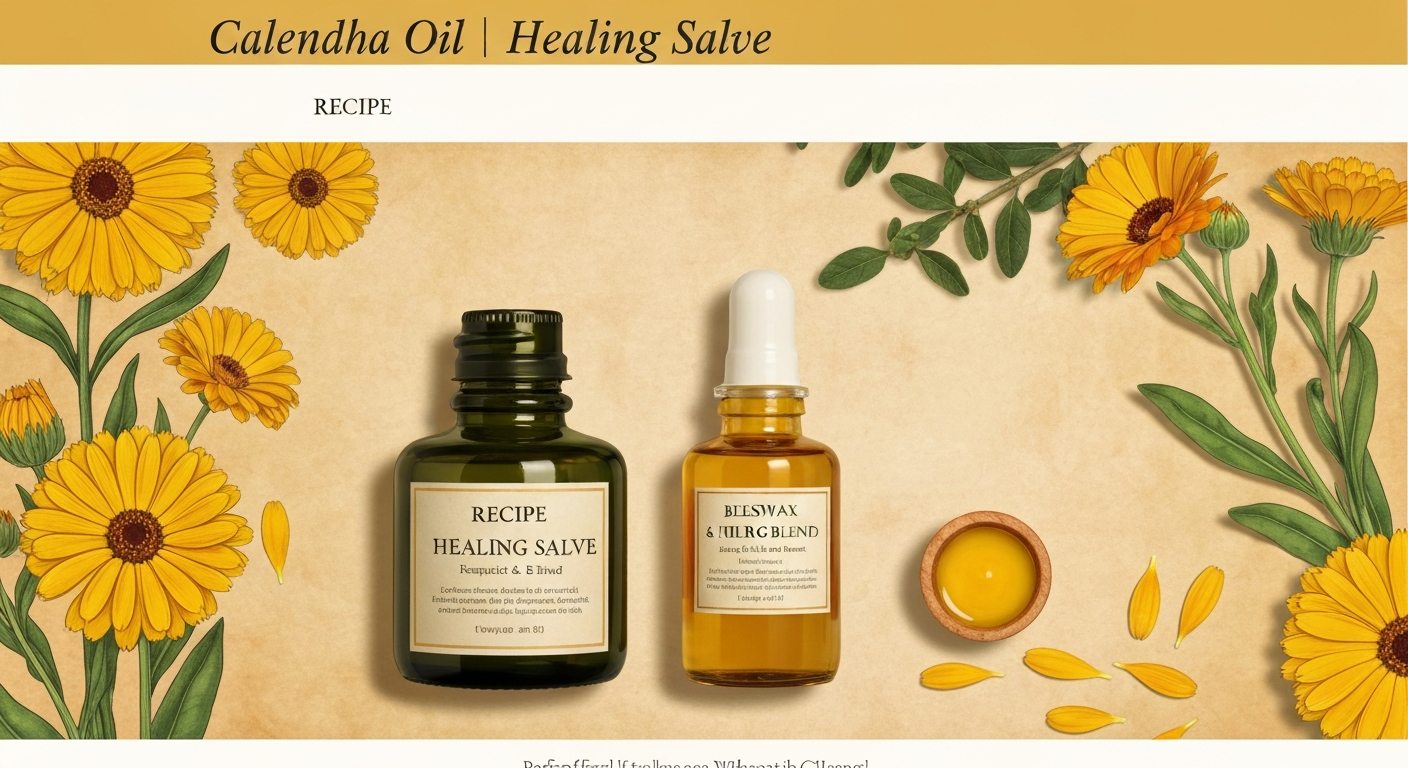
Calendula Oil Healing Salve Recipe: Beeswax & Herb Blend
Creating your own calendula salve recipe at home allows you to harness the traditional benefits of this golden flower while controlling every ingredient that touches your skin. This calendula oil healing salve combines the time-honored practice of herbal salve-making with the gentle, nourishing properties that calendula has been cherished for throughout history.
This recipe yields a rich, protective balm that's been traditionally used to support skin comfort and may help maintain healthy-looking skin. While we cannot make medical claims about this preparation, many herbalists and home crafters have valued calendula-based salves for generations as part of their natural skincare routines.
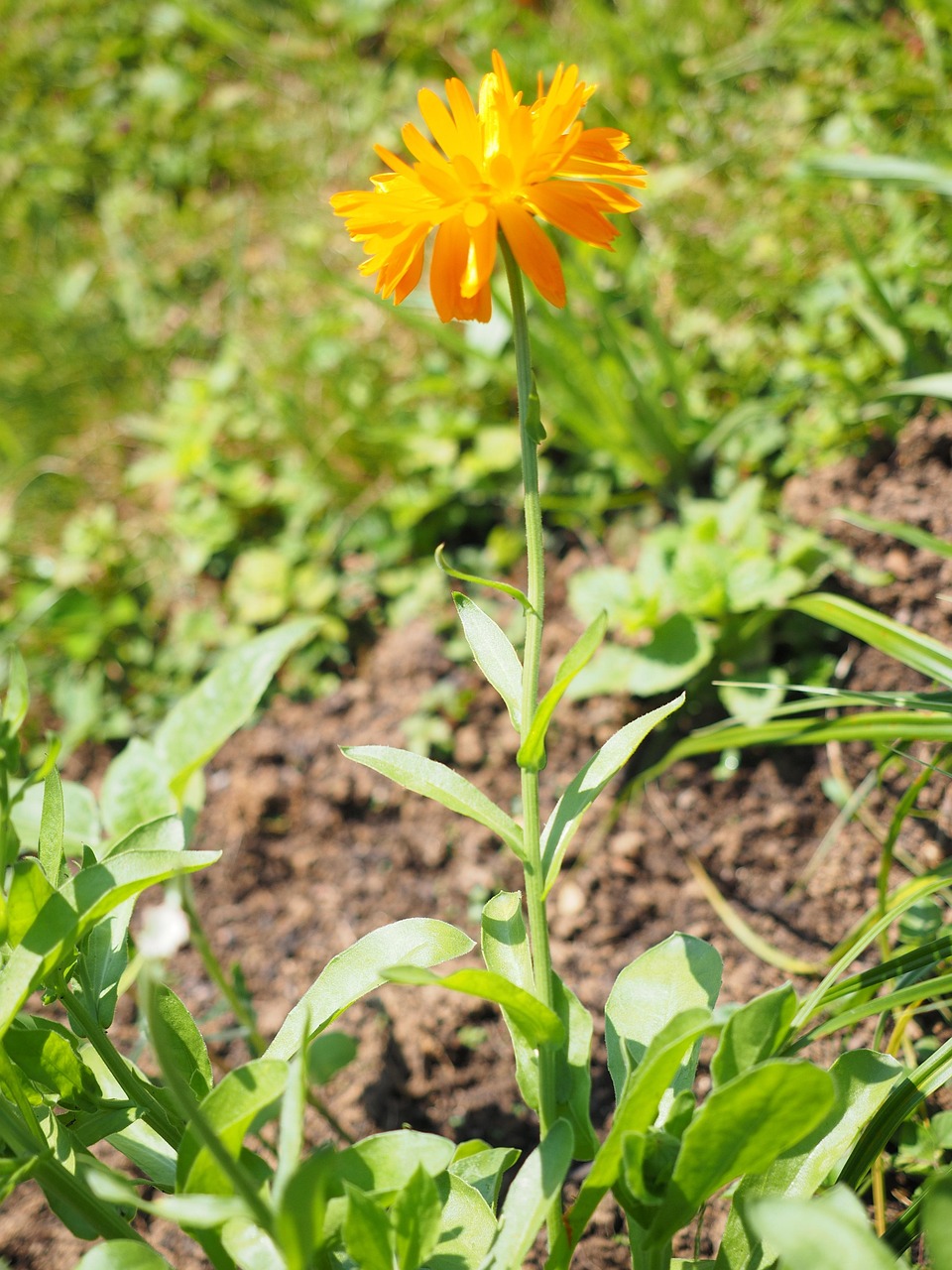
Essential Ingredients for Your Calendula Healing Salve
Quality ingredients form the foundation of any effective salve. Here's what you'll need for this traditional calendula salve recipe:
Base Ingredients
- 1/2 cup pure calendula oil (infused with calendula petals) - If you need to make your own, check out our guide on how to make calendula oil
- 2-3 tablespoons yellow beeswax pellets (organic preferred)
- 1 tablespoon coconut oil (optional, for extra moisturizing properties)
Optional Herbal Additions
- 1 teaspoon dried lavender flowers (for a gentle, calming scent)
- 1/2 teaspoon dried chamomile flowers (traditionally valued for sensitive skin)
- 1/4 teaspoon dried comfrey leaf (historically used in skin preparations)
Essential Equipment
- Double boiler or makeshift version (glass bowl over saucepan)
- Fine mesh strainer or cheesecloth
- Small glass jars or metal tins (2-4 oz capacity)
- Wooden stirring stick or chopstick
- Measuring cups and spoons
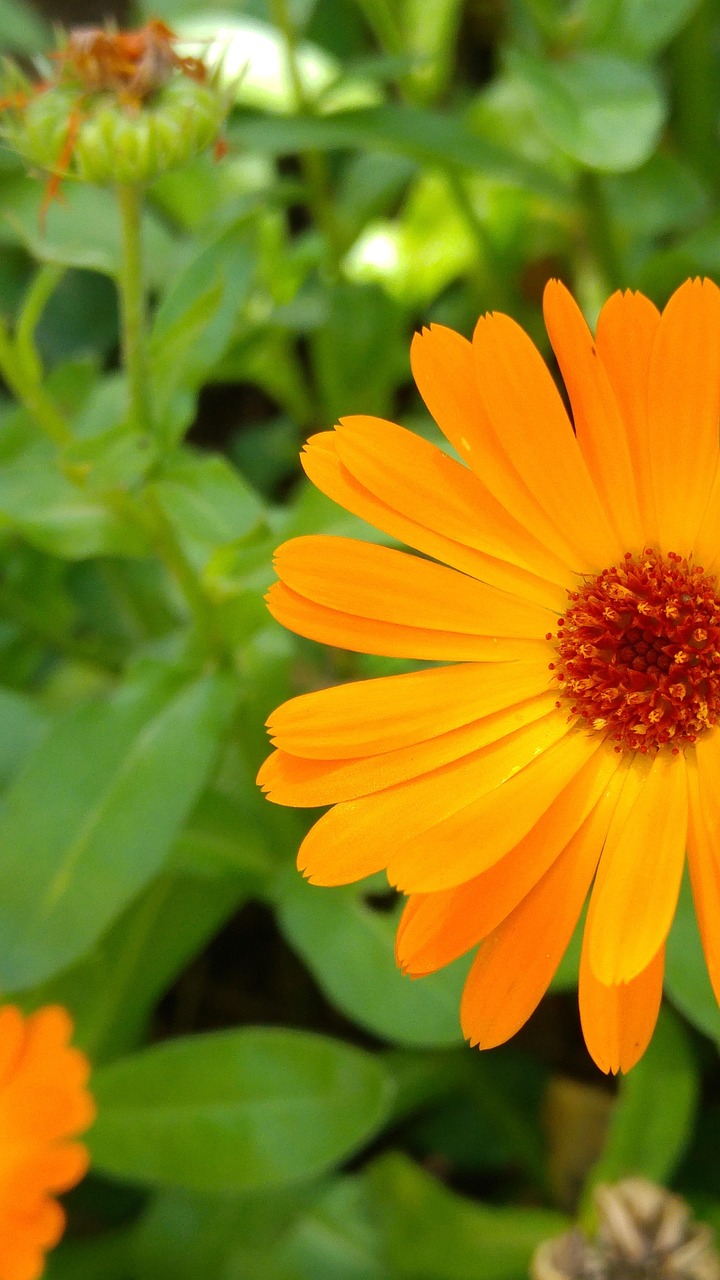
Step-by-Step Instructions
Difficulty Level: Beginner to Intermediate
Prep Time: 15 minutes
Total Time: 45 minutes (including cooling time)
Step 1: Prepare Your Workspace
Set up your double boiler by placing a glass bowl over a saucepan with about 2 inches of simmering water. Ensure the bottom of the bowl doesn't touch the water. Have all your containers clean and ready – sterilize glass jars with boiling water if desired.
Step 2: Melt the Beeswax
Add the beeswax pellets to your double boiler bowl. Heat gently until completely melted, stirring occasionally with a wooden stick. Beeswax melts at around 145°F (63°C), so keep the heat moderate to prevent overheating.
Step 3: Add the Calendula Oil
Once the beeswax is fully melted, slowly pour in your calendula oil while stirring continuously. If you're using coconut oil, add it now as well. The mixture should be smooth and golden.
Step 4: Incorporate Optional Herbs
If using dried herbs, add them to the warm oil and beeswax mixture. Let them steep for 10-15 minutes over low heat, stirring occasionally. This allows the herbs to release their beneficial compounds into the salve base.
Step 5: Strain and Test Consistency
Remove the mixture from heat and strain through a fine mesh strainer or cheesecloth to remove herb particles. To test consistency, dip a cold spoon into the mixture – it should coat the spoon and feel firm but spreadable when cooled. If too soft, add more beeswax; if too hard, add more oil.
Step 6: Pour and Cool
Working quickly but carefully, pour the warm salve into your prepared containers, leaving about 1/4 inch of headspace. Allow to cool completely at room temperature for 30-45 minutes before handling or covering.
Critical Safety Guidelines
Important Safety Notice: This calendula oil healing salve is for external use only and is not intended to diagnose, treat, cure, or prevent any disease. Always consult with a qualified healthcare provider before using any homemade preparation, especially if you have medical conditions or take medications.
Patch Testing Protocol
Before using your new salve extensively, perform a patch test:
- Apply a small amount to your inner forearm
- Cover with a bandage and wait 24 hours
- Check for any redness, swelling, or irritation
- If any adverse reaction occurs, discontinue use immediately
Contraindications and Precautions
- Allergies: Do not use if allergic to calendula, chamomile, or other members of the Asteraceae family
- Pregnancy: While calendula is generally considered safe topically, consult your healthcare provider during pregnancy or nursing
- Open Wounds: This salve is traditionally used for minor skin concerns. For serious wounds or infections, seek appropriate medical care
- Children: Use caution with children under 2 years old and always consult a pediatrician first
Storage and Shelf Life
Proper storage ensures your calendula salve recipe creation maintains its quality and beneficial properties:
- Storage Location: Store in a cool, dry place away from direct sunlight
- Temperature: Room temperature is ideal (68-72°F); avoid extreme heat or cold
- Shelf Life: When stored properly, your salve should maintain quality for 12-18 months
- Signs of Spoilage: Discard if you notice changes in color, smell, or texture, or any signs of mold
Labeling Tip: Always label your containers with the date made and ingredients list for safety and reference.
Recipe Variations and Substitutions
Oil Alternatives
While calendula oil is the star of this recipe, you can experiment with complementary carrier oils:
- Sweet Almond Oil: Replace up to half the calendula oil for added moisturizing properties
- Jojoba Oil: Technically a wax ester, adds stability and may suit sensitive skin
- Olive Oil: Traditional choice that's been used in herbal preparations for centuries
Beeswax Alternatives
For vegan versions or different textures:
- Candelilla Wax: Use 3/4 the amount of beeswax called for (it's harder)
- Carnauba Wax: Also firmer than beeswax; reduce quantity accordingly
- Cocoa Butter: Adds a chocolate scent and creamy texture
Herbal Blend Variations
Soothing Blend
- Calendula oil base
- Chamomile flowers
- Lavender buds
- Rose petals
Protective Blend
- Calendula oil base
- Plantain leaf
- Comfrey leaf
- Yarrow flowers
Understanding Your Calendula Salve
This traditional preparation combines several time-honored ingredients that have been valued by herbalists for generations. Calendula, often called "pot marigold," has been used in folk medicine traditions across many cultures, though we cannot make specific medical claims about its effects.
The beeswax in this calendula oil healing salve serves multiple purposes beyond just thickening. It creates a protective barrier on the skin while allowing the oil to penetrate gradually. Some people report that this combination feels both protective and nourishing, though individual experiences may vary.
For those interested in exploring calendula's traditional uses further, our article on calendula oil wound healing provides additional historical context and research observations.
Troubleshooting Common Issues
Salve Too Soft
If your finished salve remains too soft or liquidy:
- Reheat gently and add more beeswax, 1/2 tablespoon at a time
- Test consistency again with the cold spoon method
- Remember that salves will be softer in warm weather
Salve Too Hard
If the salve sets too firmly:
- Reheat and add more carrier oil gradually
- Consider the climate – harder salves work better in hot weather
- Body heat will soften the salve during application
Grainy Texture
A grainy texture usually indicates:
- Beeswax wasn't completely melted
- Mixture cooled too quickly
- Solution: Reheat gently and strain again, then cool slowly
Building Your Natural First Aid Kit
This calendula salve recipe makes an excellent addition to a natural first aid approach, though it should complement, not replace, conventional medical care when needed. Many families keep homemade salves as part of their general wellness routines, using them for minor skin concerns as our ancestors did.
To expand your natural preparation knowledge, consider learning about calendula oil first aid applications and traditional uses that have been passed down through generations of herbalists and home practitioners.
Final Thoughts
Creating your own calendula oil healing salve connects you with centuries of herbal tradition while giving you complete control over the ingredients that touch your skin. This simple yet effective preparation embodies the wisdom of traditional herbalism – using gentle, plant-based ingredients in time-tested combinations.
Remember that while this salve has been traditionally valued for its skin-supporting properties, individual results may vary. Some people report finding it helpful for dry skin, minor scrapes, or general skin comfort, while others may prefer different preparations. As with any homemade product, use common sense, perform patch tests, and consult healthcare providers when appropriate.
Whether you're new to DIY natural products or an experienced herbalist, this calendula salve recipe offers a wonderful introduction to the satisfying world of homemade skin care. The golden color and gentle herbal scent serve as daily reminders of nature's generous gifts to those who take time to prepare them mindfully.