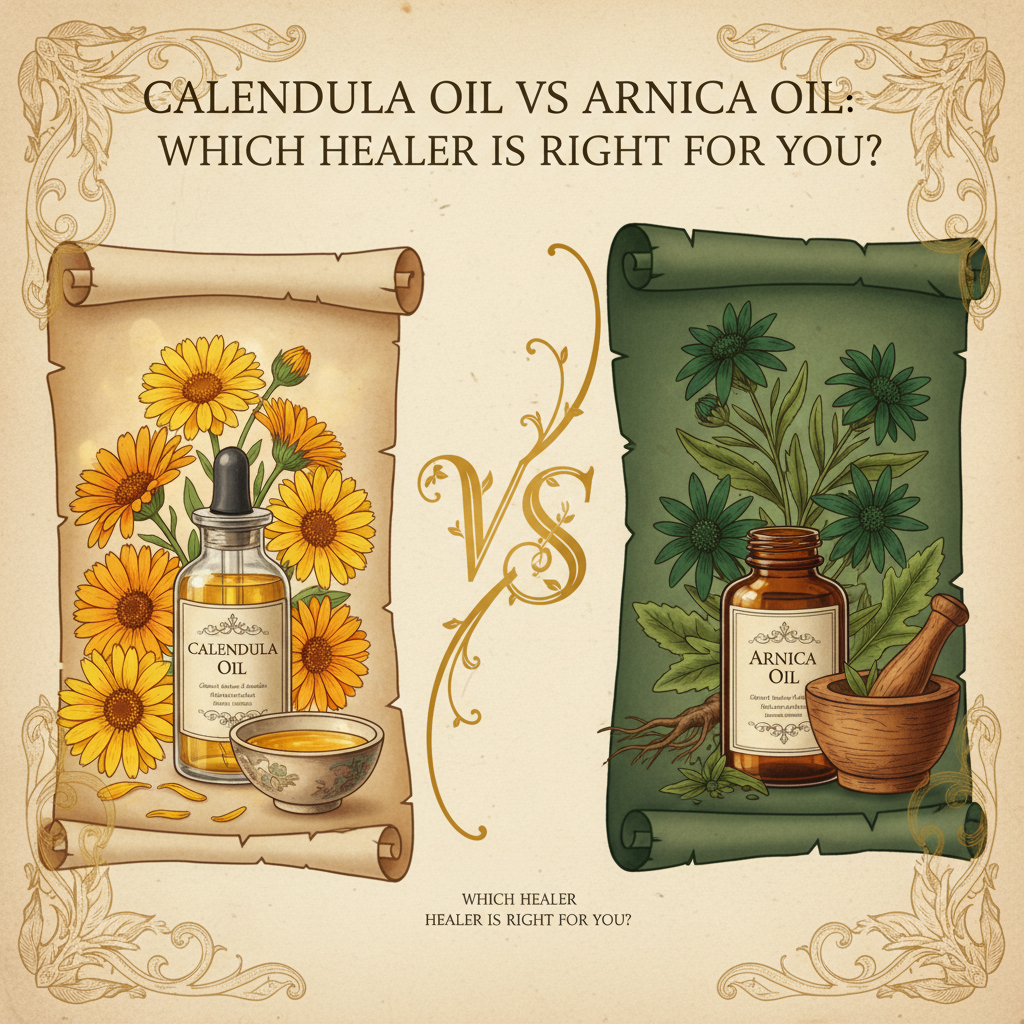
Calendula Oil vs Arnica Oil: Which Healer Is Right for You?
When exploring the world of botanical skin care, two golden oils frequently capture attention: calendula oil and arnica oil. Both have been cherished in traditional practices for centuries, each offering unique properties that may support skin wellness. Yet choosing between these two can feel overwhelming, especially when both are often mentioned in similar contexts.
Whether you're building a natural skincare routine or seeking gentle botanical support for your skin, understanding the distinctive qualities of each oil can help guide your decision. Let's explore how these two beloved botanicals compare, their individual strengths, and which situations might favor one over the other.
Understanding the Botanical Foundations
Before diving into the calendula oil vs arnica oil comparison, it's helpful to understand where these oils originate and how they're traditionally prepared.
Calendula Oil: The Gentle Golden Marvel
Calendula oil comes from the vibrant orange and yellow petals of Calendula officinalis, commonly known as pot marigold. This cheerful flower has been a garden staple and folk remedy for over a thousand years. The oil is typically created through infusion methods, where fresh or dried calendula petals are steeped in carrier oils like olive, sunflower, or jojoba oil for weeks, allowing the plant's beneficial compounds to transfer into the oil.
What makes calendula particularly interesting is its gentle nature combined with its rich composition of flavonoids, triterpenes, and carotenoids. These compounds contribute to the oil's characteristic golden hue and may support the skin's natural processes.
Arnica Oil: The Mountain Flower Extract
Arnica oil is derived from Arnica montana, a hardy perennial that thrives in mountainous regions of Europe and North America. Also known as wolf's bane or mountain tobacco, this bright yellow flower has been used in traditional European practices for centuries. Like calendula, arnica oil is typically produced through infusion methods, though some commercial preparations use other extraction techniques.
Arnica contains unique compounds including helenalin, flavonoids, and phenolic acids. However, it's important to note that arnica is generally considered more potent than calendula and requires careful attention to proper dilution and usage guidelines.
Head-to-Head Comparison: Key Attributes
| Attribute | Calendula Oil | Arnica Oil |
|---|---|---|
| Botanical Source | Calendula officinalis (Pot Marigold) | Arnica montana (Mountain Arnica) |
| Traditional Uses | Gentle skin support, minor cuts, dry skin | Bruises, soreness, muscle tension |
| Skin Sensitivity | Generally well-tolerated, very gentle | May cause sensitivity; patch test recommended |
| Application Areas | Face, body, sensitive areas | Body areas, avoid broken skin |
| Texture & Absorption | Lightweight, absorbs well | Can be thicker, varies by carrier oil |
| Dilution Requirements | Can often be used undiluted | Usually requires dilution |
| Pregnancy Safety | Generally considered safe topically | Not recommended during pregnancy |
| Availability | Widely available | Available but less common |
Calendula Oil: Strengths and Considerations
The Pros of Calendula Oil
- Exceptional Gentleness: Calendula oil is renowned for its mild nature, making it suitable for sensitive skin types and delicate areas
- Versatile Applications: From minor wound support to daily moisturizing, calendula adapts to various skincare needs
- Natural Moisturizing Properties: The oil may help support the skin's natural moisture barrier
- Rich Antioxidant Content: Contains natural compounds that may help protect skin from environmental stressors
- Face-Friendly: Gentle enough for facial use, including around sensitive eye areas
- Long History of Safe Use: Centuries of traditional use with minimal reported adverse effects
- Easy Integration: Blends well with other carrier oils and botanical extracts
Potential Limitations of Calendula Oil
- Subtle Effects: Its gentle nature means effects may be more gradual compared to stronger botanical preparations
- Quality Variations: Infused oils can vary significantly in potency depending on preparation methods
- Allergies: Those allergic to plants in the Asteraceae family (daisies, ragweed) should exercise caution
- Limited Research: While traditionally used, scientific studies are still emerging
Arnica Oil: Strengths and Considerations
The Pros of Arnica Oil
- Traditional Reputation: Long history of use for bruises and muscle soreness in European folk medicine
- Potent Compounds: Contains helenalin and other compounds that may support the body's natural recovery processes
- Targeted Applications: Particularly valued for specific concerns like bruising and muscle tension
- Professional Recognition: Widely used in massage therapy and sports medicine contexts
- Research Interest: Some studies have explored arnica's potential benefits
Potential Limitations of Arnica Oil
- Sensitivity Concerns: More likely to cause skin reactions than calendula
- Pregnancy Restrictions: Not recommended for use during pregnancy or breastfeeding
- Application Limitations: Should not be used on broken or open wounds
- Dilution Requirements: Often needs to be diluted with carrier oils for safe use
- Potential Drug Interactions: May interact with certain medications, particularly blood thinners
- Allergic Reactions: Can cause contact dermatitis in sensitive individuals
When to Choose Calendula Oil
Calendula oil may be your preferred choice in these situations:
Best for Sensitive Skin Types
If you have reactive or easily irritated skin, calendula's gentle nature makes it an excellent starting point. Its traditionally recognized soothing properties may help support skin comfort without overwhelming sensitive systems.
Daily Skincare Routines
For those seeking a botanical oil that can be incorporated into daily skincare practices, calendula offers the versatility and gentleness needed for regular use. It may support the skin's natural moisture balance and overall appearance.
Facial Applications
When you need something safe and gentle enough for facial use, calendula oil's mild nature makes it suitable for the delicate skin on your face and around the eyes.
Minor Skin Irritations
For small cuts, scrapes, or areas of dry, irritated skin, calendula's traditional use for supporting skin wellness may provide the gentle care you're seeking.
Children's Skincare
When formulating products or choosing oils for children's delicate skin, calendula's safety profile and gentleness make it a popular choice among parents seeking natural options.
When to Choose Arnica Oil
Arnica oil might be more suitable in these specific circumstances:
Post-Exercise Recovery
Athletes and fitness enthusiasts often turn to arnica oil as part of their recovery routines, particularly for massaging tired muscles after intense workouts.
Bruise Support
Arnica's traditional reputation centers around its use for bruises and the discoloration that follows minor bumps and impacts.
Professional Massage Applications
Many massage therapists incorporate arnica oil into their practice, particularly for clients dealing with muscle tension and soreness.
Targeted, Short-Term Use
When you need something for a specific concern rather than daily use, arnica's more potent nature may be appropriate for targeted applications.
Safety Considerations and Best Practices
Regardless of which oil you choose, proper safety practices are essential:
Patch Testing
Always perform a patch test before using either oil extensively. Apply a small amount to a discrete area of skin and wait 24-48 hours to observe any reactions.
Quality Sourcing
Choose oils from reputable suppliers who provide information about their extraction methods, botanical sourcing, and quality testing procedures.
Proper Storage
Store both oils in cool, dark places to preserve their beneficial compounds and extend their shelf life.
Consultation Guidelines
If you're pregnant, nursing, taking medications, or have specific health concerns, consult with a qualified healthcare provider before incorporating either oil into your routine.
Can You Use Both Together?
Some people wonder about combining calendula and arnica oils. While this isn't inherently problematic, it's generally recommended to introduce one oil at a time to better understand how your skin responds. If you do choose to use both, consider alternating their use or applying them to different areas rather than mixing them directly.
For those interested in combination approaches, some commercial products blend these oils with other botanicals, though single-ingredient oils allow for more precise customization of your skincare routine.
The Verdict: Making Your Choice
In the calendula oil vs arnica oil debate, there's no universal winner—the best choice depends on your individual needs, skin type, and intended applications.
Choose Calendula Oil if you:
- Have sensitive or reactive skin
- Want something gentle enough for daily use
- Need an oil suitable for facial applications
- Prefer a well-tolerated option with minimal risk of reactions
- Are new to botanical oils and want to start with something mild
- Are pregnant or nursing and seeking gentle skin support
Choose Arnica Oil if you:
- Are specifically interested in traditional bruise support
- Need something for post-exercise muscle care
- Have experience with botanical preparations and understand proper dilution
- Are not pregnant or nursing
- Want a more targeted approach for specific concerns
Final Thoughts
Both calendula and arnica oils represent beautiful examples of traditional botanical wisdom meeting modern skincare needs. While they share some similarities in their golden appearance and plant-based origins, their distinct characteristics make them suitable for different purposes and skin types.
Calendula oil's gentle, nurturing nature makes it an excellent choice for those seeking a mild, versatile botanical oil that can be incorporated into daily skincare routines. Its safety profile and traditional use for supporting skin wellness have made it a beloved staple in natural skincare.
Arnica oil, with its more potent compounds and targeted traditional applications, serves those looking for specific support, particularly around bruising and muscle concerns. However, its stronger nature requires more careful attention to proper use and safety guidelines.
Remember that individual skin responses can vary significantly, and what works wonderfully for one person may not suit another. Starting with small amounts, performing patch tests, and paying attention to how your skin responds will help you determine which oil—or perhaps both in different contexts—best serves your skincare goals.
As with any skincare decision, consulting with qualified healthcare providers, especially if you have specific health concerns or conditions, ensures you're making choices that support your overall wellness journey safely and effectively.