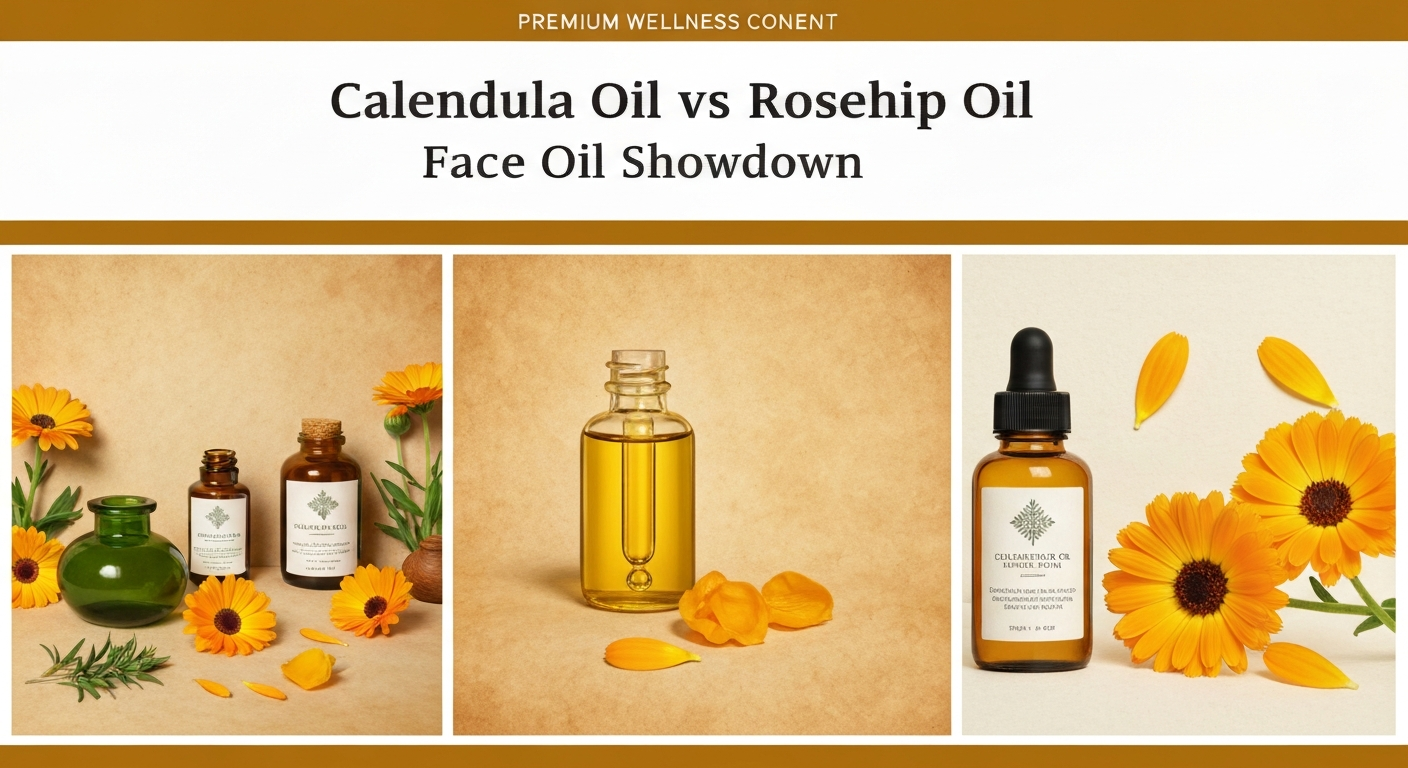
Calendula Oil vs Rosehip Oil: Face Oil Showdown
In the world of botanical face oils, two golden beauties consistently capture attention: calendula oil and rosehip oil. Both have earned devoted followings among skincare enthusiasts, but which one deserves a place in your daily routine? This comprehensive comparison will help you understand the unique properties of each oil and determine which might be the better fit for your skin's needs.
Both oils offer their own distinctive advantages, and the choice between them often comes down to your specific skin concerns, preferences, and how your skin responds to different botanical compounds. Let's dive deep into what makes each oil special.
The Botanical Background
Calendula Oil: Nature's Golden Healer
Calendula oil is derived from the vibrant orange and yellow petals of Calendula officinalis, commonly known as pot marigold. This cheerful flower has been treasured for centuries, with historical records showing its use dating back to ancient Egyptian and Greek civilizations. The oil is typically created through infusion, where calendula petals are steeped in a carrier oil like sunflower or olive oil to extract the flower's beneficial compounds.
What makes calendula oil particularly interesting is its rich concentration of flavonoids, saponins, and triterpenes – plant compounds that may support skin comfort and appearance. The golden hue of quality calendula oil reflects the presence of carotenoids, the same beneficial compounds found in colorful vegetables.
Rosehip Oil: The Vitamin C Powerhouse
Rosehip oil, extracted from the seeds of Rosa canina (wild rose), has a different origin story. These small, red fruits develop after rose flowers fade, and inside their tough exterior lie seeds rich in essential fatty acids and vitamins. Unlike calendula's infusion method, rosehip oil is typically cold-pressed from the seeds, preserving its delicate nutritional profile.
This oil has gained particular attention for its naturally occurring vitamin C content and essential fatty acids, including omega-3 and omega-6. The oil's light amber color and slightly nutty scent reflect its seed-based origin.
Head-to-Head Comparison
| Attribute | Calendula Oil | Rosehip Oil |
|---|---|---|
| Source | Calendula officinalis flower petals | Rosa canina seed kernels |
| Extraction Method | Oil infusion of petals | Cold-pressed from seeds |
| Color | Golden orange to deep amber | Light amber to golden yellow |
| Scent | Mild, herbaceous, slightly sweet | Nutty, earthy, subtle |
| Texture | Medium weight (varies by carrier oil) | Lightweight, fast-absorbing |
| Key Compounds | Flavonoids, saponins, carotenoids | Vitamin C, essential fatty acids, lycopene |
| Shelf Life | 12-24 months (properly stored) | 6-12 months (more oxidation-prone) |
| Price Range | Moderate to high | Moderate to high |
| Skin Types | All skin types, especially sensitive | All skin types, particularly mature |
Calendula Oil: The Gentle Champion
Strengths of Calendula Oil
Calendula oil's reputation as a gentle, soothing option makes it appealing for various skin types. People with sensitive skin often report that calendula oil feels comfortable and non-irritating, even with daily use. The oil's traditional use in folk medicine spans cultures and centuries, suggesting a long history of positive experiences.
For those interested in calendula oil for face applications, the oil's mild nature makes it suitable for delicate facial skin. Some users report that it helps their skin feel calmer and more balanced, particularly after environmental stressors like wind or sun exposure.
The oil's versatility extends beyond facial care. Many people use calendula oil on their body, incorporating it into massage blends or using it as a gentle moisturizer for areas that tend to be dry or uncomfortable.
Potential Drawbacks
While calendula oil is generally well-tolerated, it does have some limitations. Those with ragweed allergies should exercise caution, as calendula belongs to the same plant family (Asteraceae) and may trigger sensitivities in some individuals.
The oil's effectiveness can vary significantly depending on the quality of the source material and extraction method. Lower-quality calendula oils may be diluted with inexpensive carrier oils, reducing the concentration of beneficial calendula compounds.
Additionally, calendula oil typically works more subtly than some other botanical oils. Those seeking dramatic, quick results might find calendula's gentle approach less immediately noticeable.
Rosehip Oil: The Nutrient Dense Option
Strengths of Rosehip Oil
Rosehip oil's impressive nutritional profile sets it apart in the crowded field of face oils. The naturally occurring vitamin C content, while it can degrade over time, may support the skin's natural processes. Essential fatty acids in rosehip oil, particularly linoleic acid, are similar to components found naturally in healthy skin.
Many users report that rosehip oil absorbs quickly without leaving a greasy residue, making it suitable for morning skincare routines. The lightweight texture means it layers well under makeup or other skincare products.
For those concerned about signs of aging, rosehip oil has gained attention in discussions about mature skin care. Some research suggests that the essential fatty acids and antioxidants in rosehip oil may support skin's natural renewal processes, though individual results vary considerably.
Potential Drawbacks
Rosehip oil's main weakness lies in its susceptibility to oxidation. The same essential fatty acids that make it valuable also make it prone to rancidity when exposed to light, heat, or air. This means rosehip oil requires careful storage and has a shorter shelf life than more stable oils like calendula.
Some people find that rosehip oil, despite its lightweight feel, can cause breakouts if used too generously or if their skin is particularly prone to congestion. The oil's nutty scent, while mild, isn't universally loved.
Quality can vary dramatically between brands, with some rosehip oils being heavily processed or diluted, which reduces their beneficial properties.
Best Use Cases: When to Choose Which
Choose Calendula Oil If:
- You have sensitive skin: Calendula's gentle nature makes it suitable for easily irritated skin
- You prefer subtle, gradual improvements: Calendula works gently over time rather than providing dramatic immediate effects
- You want a multi-purpose oil: Calendula can be used on face and body comfortably
- You're dealing with temporary skin discomfort: Many people report that calendula feels soothing on stressed skin
- You're interested in calendula oil for scars: Some users report positive experiences using calendula on older marks and blemishes
- You want longer shelf life: Properly stored calendula oil typically lasts longer than rosehip oil
Choose Rosehip Oil If:
- You want fast absorption: Rosehip oil's lightweight texture absorbs quickly
- You're focused on mature skin concerns: The nutritional profile appeals to those interested in age-related skin changes
- You prefer morning face oil use: The light texture works well under makeup
- You want vitamin C benefits: Though levels vary, rosehip oil naturally contains this antioxidant
- You have oily or combination skin: The lighter texture may be less likely to feel heavy
- You're interested in essential fatty acid support: Rosehip provides omega-3 and omega-6 fatty acids
Application Methods and Tips
How to Use Calendula Oil
For facial use, apply 2-3 drops of calendula oil to clean, slightly damp skin. The oil spreads more easily on damp skin and may absorb better. Calendula oil can be used morning or evening, though some people prefer it in their nighttime routine due to its rich feel.
When exploring calendula oil anti-aging applications, consistency is key. Regular use over several weeks or months allows you to better assess how your skin responds to the oil's gentle compounds.
Always perform a patch test before first use, especially if you have known plant allergies. Apply a small amount to your inner wrist and wait 24 hours to check for any adverse reactions.
How to Use Rosehip Oil
Rosehip oil's lightweight nature means you can often use it with just 1-2 drops for the entire face. Press the oil gently into skin rather than rubbing vigorously, which can cause oxidation of the delicate fatty acids.
Store rosehip oil in a cool, dark place and consider keeping it in the refrigerator during hot weather. Watch for signs of rancidity, including an off smell or change in color, and discontinue use if the oil seems to have degraded.
Due to its vitamin C content, some people prefer using rosehip oil in evening routines to avoid any potential photosensitivity, though this is generally not a significant concern with topical use.
The Verdict: Which Oil Wins?
In this face oil showdown, there isn't a clear universal winner – and that's actually good news for consumers. Both calendula and rosehip oils offer distinct advantages that appeal to different needs and preferences.
Calendula oil emerges as the champion for:
- Sensitive skin types
- Those seeking a gentle, multi-purpose oil
- People who prefer traditional, time-tested botanicals
- Users wanting longer shelf stability
- Anyone dealing with temporary skin stress or discomfort
Rosehip oil takes the lead for:
- Those prioritizing fast absorption and lightweight feel
- People interested in vitamin C and essential fatty acid content
- Users with mature skin concerns
- Anyone who prefers morning face oil application
- Those seeking a more "active" botanical oil experience
Can You Use Both?
Many skincare enthusiasts don't limit themselves to just one face oil. You might use rosehip oil in your morning routine for its quick absorption and calendula oil at night for its soothing properties. Seasonal rotation is another popular approach – lighter rosehip oil in summer and richer calendula oil in winter.
Some people even blend the two oils, creating a custom mixture that combines calendula's gentle nature with rosehip's nutritional density. If you choose this approach, mix small batches to prevent oxidation, and store the blend properly.
Making Your Decision
When choosing between calendula oil and rosehip oil for your face, consider your skin type, concerns, and preferences. Think about whether you want dramatic results or gentle, gradual improvement. Consider your storage capabilities and how quickly you'll use the oil.
Remember that individual responses to botanical oils can vary significantly. What works beautifully for one person might not suit another, even with similar skin types. Start with small quantities, patch test carefully, and pay attention to how your skin responds over time.
Both calendula and rosehip oils represent excellent choices in the world of natural skincare. Your perfect match depends on your unique skin needs and personal preferences. Whether you choose the golden comfort of calendula or the nutritive power of rosehip, you're selecting a time-tested botanical ally for your skincare journey.
Remember: While both oils have long histories of traditional use and many people report positive experiences, always consult with a qualified healthcare provider or dermatologist if you have specific skin concerns or conditions. These oils are intended for cosmetic use and should not replace professional medical advice or treatment.