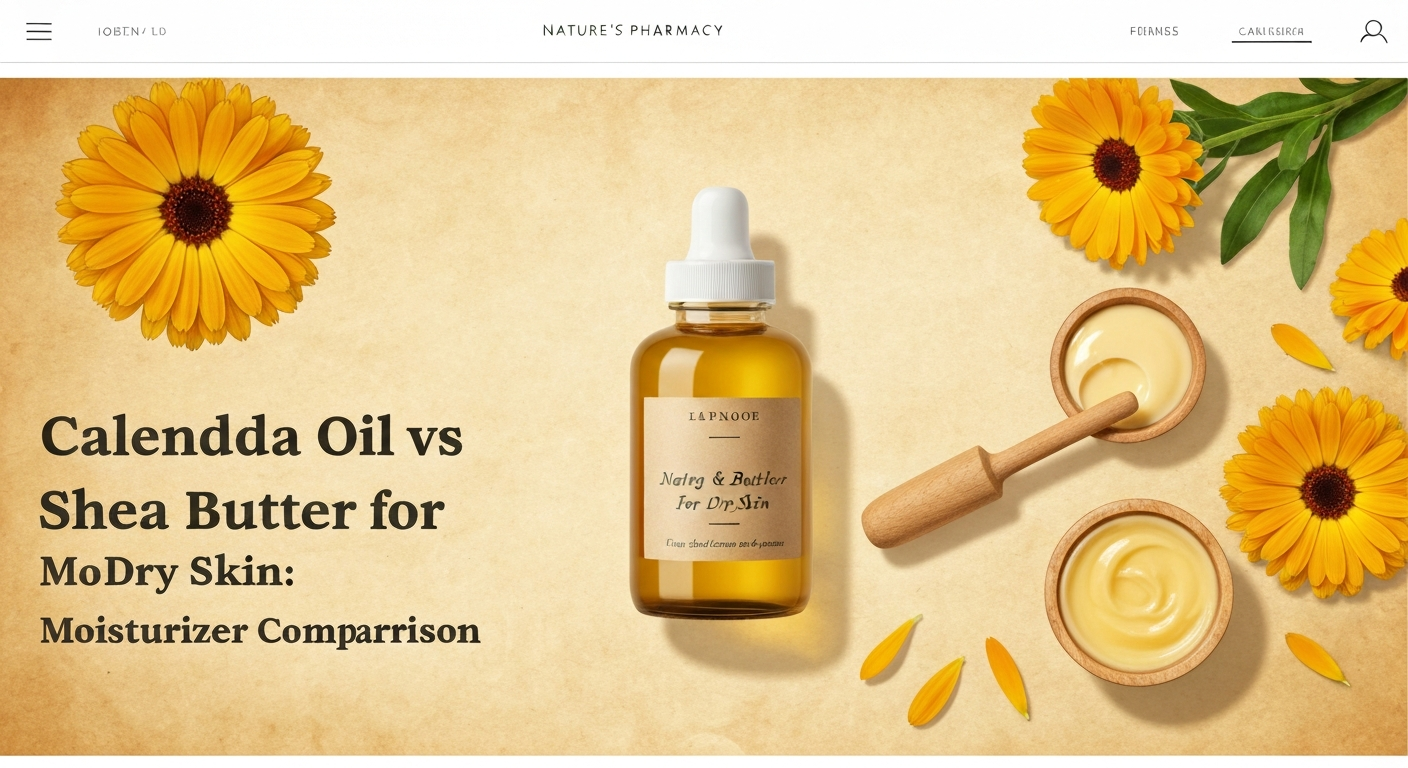
Calendula Oil vs Shea Butter for Dry Skin: Moisturizer Comparison
When searching for natural solutions to address dry, uncomfortable skin, two botanically-derived options frequently emerge as popular choices: calendula oil and shea butter. Both have earned devoted followings among those seeking gentle, plant-based alternatives to conventional moisturizers. But which one might be the better choice for your specific skin needs?
This comprehensive comparison examines the unique properties, benefits, and ideal applications of calendula oil and shea butter, helping you make an informed decision for your skincare routine. Whether you're dealing with seasonal dryness, sensitive skin, or simply prefer natural ingredients, understanding these two beloved botanicals can guide you toward the most suitable option.
Understanding Calendula Oil: Nature's Golden Comfort
Calendula oil, derived from the vibrant orange and yellow petals of Calendula officinalis (pot marigold), has been treasured for centuries in traditional European herbalism. This golden oil is typically created through an infusion process, where calendula petals are steeped in carrier oils like sunflower, olive, or jojoba oil, allowing the plant's beneficial compounds to be extracted.
The resulting oil carries calendula's naturally occurring compounds, including flavonoids, carotenoids, and triterpenes, which contribute to its reputation as a gentle, soothing botanical ingredient. People have traditionally used calendula oil for dry skin concerns, appreciating its lightweight texture and easily absorbed nature.
Key Characteristics of Calendula Oil
- Lightweight, non-greasy texture that absorbs readily
- Golden amber color with a mild, herbaceous scent
- Traditionally valued for its gentle, soothing properties
- Compatible with sensitive skin types
- Can be used alone or blended with other oils
Understanding Shea Butter: Africa's Moisturizing Treasure
Shea butter comes from the nuts of the African shea tree (Vitellaria paradoxa), which grows naturally across the savannah regions of West and Central Africa. For centuries, African communities have extracted this rich, creamy fat from shea nuts, creating a versatile moisturizing ingredient that has become globally recognized.
Raw, unrefined shea butter contains naturally occurring vitamins A and E, along with cinnamic acid esters, which may contribute to its moisturizing properties. The butter's rich, emollient texture makes it particularly popular for addressing very dry or rough skin areas.
Key Characteristics of Shea Butter
- Rich, creamy texture with substantial moisturizing properties
- Ivory to pale yellow color with a mild, nutty aroma
- Melts at body temperature for easy application
- Long-lasting moisture barrier on skin
- Available in various grades from raw to refined
Detailed Comparison: Calendula Oil vs Shea Butter
| Attribute | Calendula Oil | Shea Butter |
|---|---|---|
| Texture | Lightweight, liquid oil | Rich, solid butter that melts on contact |
| Absorption Rate | Quick to moderate absorption | Slower absorption, creates protective barrier |
| Best Climate | All seasons, particularly good for humid climates | Excellent for cold, dry climates |
| Skin Feel | Non-greasy, comfortable wear | Rich, protective coating |
| Shelf Life | 1-2 years (depends on carrier oil) | 2-3 years when stored properly |
| Price Range | Moderate to high | Low to moderate |
| Versatility | Face and body use, blends well | Primarily body use, harder to blend |
| Seasonal Use | Year-round comfort | Particularly beneficial in winter months |
Calendula Oil: Pros and Cons
Advantages of Calendula Oil
- Gentle Nature: Traditionally considered suitable for sensitive skin types
- Versatile Application: Can be used on face and body without feeling heavy
- Quick Absorption: Doesn't leave a greasy residue, making it suitable for daily use
- Blending Capability: Mixes well with other oils and skincare ingredients
- Year-Round Comfort: Appropriate for all seasons and climates
- Traditional Use: Long history of use in European herbalism for skin comfort
Potential Drawbacks of Calendula Oil
- Variable Quality: Effectiveness depends on extraction method and carrier oil quality
- Higher Cost: Generally more expensive than shea butter
- Lighter Moisturizing: May not provide enough richness for extremely dry skin
- Shelf Life Concerns: Some carrier oils may go rancid more quickly
- Allergy Potential: Those allergic to plants in the Asteraceae family should exercise caution
Shea Butter: Pros and Cons
Advantages of Shea Butter
- Intensive Moisturizing: Provides long-lasting hydration for very dry skin
- Natural Sun Protection: Contains natural SPF of approximately 3-4
- Affordable: Generally less expensive and widely available
- Stable: Long shelf life when stored properly
- Pure Form Available: Can be purchased in completely unprocessed states
- Barrier Protection: Creates a protective layer that may help prevent moisture loss
Potential Drawbacks of Shea Butter
- Heavy Texture: May feel too rich for facial use or warm climates
- Slow Absorption: Can leave skin feeling greasy if over-applied
- Limited Versatility: Harder to blend with other products
- Seasonal Limitations: May be too heavy for summer use in humid climates
- Nut Allergy Concerns: Though rare, some people with tree nut allergies may react
Best Use Cases: When to Choose Each Option
Choose Calendula Oil When:
- You have sensitive skin: Its gentle reputation makes it a popular choice for reactive skin types
- You prefer lightweight textures: Ideal for those who dislike heavy, greasy feelings
- You want facial moisturizing: Suitable for face use without clogging pores
- You live in humid climates: Won't feel oppressive in warm, moist conditions
- You like to blend products: Mixes well with other oils and serums
- You need year-round comfort: Works well in all seasons
Choose Shea Butter When:
- You have very dry skin: Provides intensive, long-lasting moisture
- You live in cold, dry climates: Excellent for winter skincare needs
- You want a natural barrier: Creates a protective layer on skin
- You prefer simple ingredients: Pure shea butter is a single-ingredient solution
- You're on a budget: Generally more affordable than quality calendula oil
- You focus on body care: Ideal for elbows, knees, heels, and other dry areas
Combining Both: The Best of Both Worlds
Rather than viewing this as an either-or decision, many people find success in incorporating both calendula oil and shea butter into their skincare routines. This approach allows you to leverage the unique benefits of each botanical ingredient based on changing needs, seasons, or specific skin areas.
Strategic Combination Approaches:
- Seasonal Rotation: Use calendula oil as a moisturizer during warmer months, switch to shea butter for winter
- Body Zone Strategy: Apply calendula oil to face and lighter body areas, use shea butter on particularly dry spots
- Layering Technique: Apply calendula oil first for its soothing properties, follow with shea butter for moisture sealing
- Custom Blending: Create personalized mixtures combining both ingredients
The Verdict: Which Should You Choose?
The choice between calendula oil and shea butter ultimately depends on your individual skin needs, climate, preferences, and budget. Both offer valuable benefits as natural moisturizing options, but they serve different purposes and excel in different situations.
For most people seeking a versatile, year-round natural moisturizer, calendula oil edges ahead due to its lightweight feel, quick absorption, and suitability for both face and body use. Its gentle reputation makes it particularly appealing for those with sensitive skin or anyone seeking a comfortable daily moisturizer.
For those dealing with very dry skin, harsh winter conditions, or seeking maximum moisture retention, shea butter provides unmatched richness and protection. Its affordability and availability also make it an excellent entry point into natural skincare.
Final Recommendations:
- New to natural skincare: Start with shea butter for its simplicity and affordability
- Sensitive skin concerns: Consider calendula oil for its traditionally gentle nature
- Seasonal dryness: Keep both on hand and use seasonally
- Facial care priority: Lean toward calendula oil for its lighter texture
- Intensive body care needs: Choose shea butter for maximum moisture
Remember that individual responses to natural ingredients can vary significantly. It's always wise to patch test any new product and consult with a qualified healthcare provider if you have specific skin concerns or conditions. Whether you choose calendula oil, shea butter, or both, you're embracing the time-tested wisdom of botanical skincare that has served communities around the world for generations.