
Calendula Oil Winter Skincare: Cold-Weather Protection Guide
As winter's harsh winds begin to bite and indoor heating systems work overtime, many people find themselves searching for gentle, natural ways to support their skin through the challenging cold-weather months. The combination of frigid outdoor temperatures, dry indoor air, and constant temperature fluctuations can leave skin feeling tight, uncomfortable, and in need of extra care. This is precisely when the golden petals of calendula, transformed into nourishing oil, may offer the seasonal support your skin craves.
Winter skincare isn't just about battling dryness—it's about adapting your routine to work with nature's seasonal changes. Calendula oil, with its rich botanical heritage and time-honored traditional uses, has become a cornerstone ingredient for those seeking plant-based winter skin support. Let's explore how this golden elixir might fit into your cold-weather skincare strategy.
Why Winter Demands Special Skincare Attention
The science behind winter's impact on skin is both fascinating and sobering. During colder months, humidity levels can drop dramatically—sometimes as low as 10-20% indoors compared to the ideal 30-50%. This environmental shift, combined with harsh outdoor conditions, creates a perfect storm of challenges for maintaining skin comfort.
Cold air holds less moisture than warm air, and when that dry air meets the warm, heated environments we create indoors, the result is an environment that may draw moisture away from the skin's surface. Add to this the barrier-disrupting effects of wool clothing, hot showers (a common winter comfort), and the natural tendency for sebaceous glands to produce less oil in cold weather, and it becomes clear why winter skincare requires a thoughtful, adapted approach.
Traditional wisdom has long recognized these seasonal challenges. For centuries, people in cold climates have turned to plant-based oils and botanical preparations to support their skin through harsh winters. Calendula oil represents one of these time-tested approaches, with historical records showing its use in European folk traditions for seasonal skin comfort.
Understanding Calendula Oil's Winter Properties
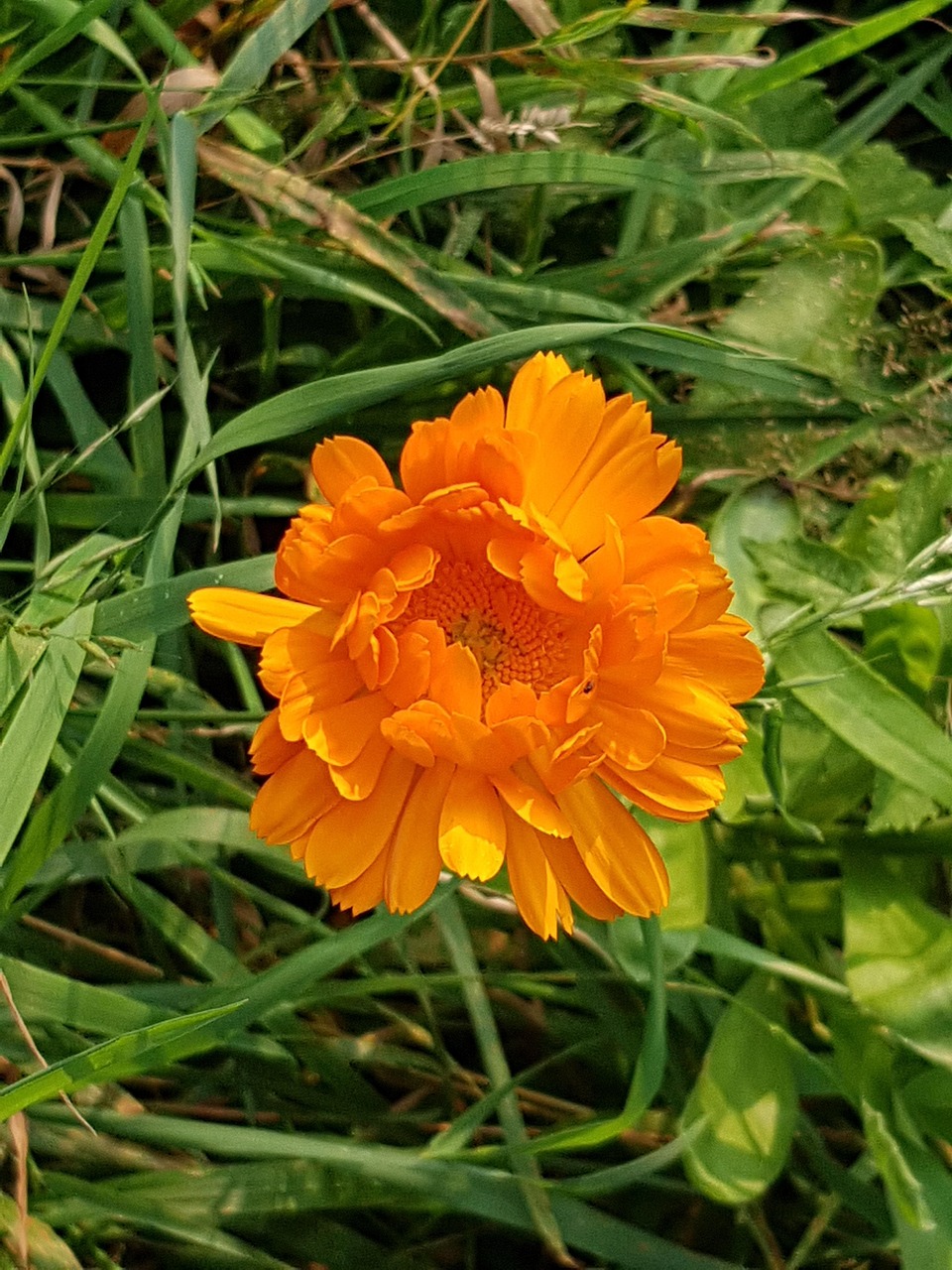
What makes calendula oil particularly interesting for winter use lies in its unique botanical composition. The oil, extracted from the vibrant orange and yellow petals of Calendula officinalis, contains a complex array of naturally occurring compounds that have captured the attention of researchers and traditional herbalists alike.
Some studies suggest that calendula contains flavonoids, carotenoids, and triterpenes—compounds that may contribute to the oil's traditional reputation for supporting skin comfort. The extraction process, whether through solar infusion or modern techniques, concentrates these naturally occurring elements into a golden oil that many people report feels particularly nourishing during cold weather.
The texture and absorption qualities of calendula oil for dry skin concerns also make it well-suited for winter use. Unlike some heavier oils that might feel overwhelming in warmer weather, calendula oil tends to absorb readily while providing a protective feel that many users appreciate during harsh weather conditions.
Adapting Your Skincare Routine for Cold Weather
Creating a winter skincare routine with calendula oil isn't about complete overhaul—it's about thoughtful seasonal adjustments. The key lies in understanding how to layer and time your applications for maximum comfort and protection.
Morning Protection Protocol
Winter mornings call for a protective approach that may help shield skin from the day's harsh conditions ahead. Many people find that incorporating calendula oil into their morning routine provides a comforting base layer. Consider applying a few drops to slightly damp skin, which may help lock in moisture before facing cold, dry air.
For those who prefer a calendula oil moisturizer approach, blending the oil with your regular morning moisturizer can create a custom winter formula. The ratio might vary based on your skin's seasonal needs—perhaps starting with 2-3 drops of calendula oil mixed with your usual moisturizer and adjusting as needed.
Evening Restoration Routine
Winter evenings present an opportunity for deeper nourishment and comfort. After a day of exposure to harsh conditions, skin may benefit from more intensive care. This is when calendula oil's traditional use for overnight skin comfort comes into play.
Consider applying calendula oil as the final step in your evening routine, focusing on areas that may have faced particular exposure to cold and wind. The face, hands, and any areas prone to winter discomfort might particularly benefit from this gentle evening ritual.
Targeted Winter Skin Challenges
Wind-Exposed Areas
The face and hands bear the brunt of winter's assault. These areas, constantly exposed to temperature fluctuations and harsh winds, may require specialized attention. Anecdotal reports suggest that people often find calendula oil helpful for these particularly vulnerable areas.
For facial care, consider the gentle application of calendula oil to areas like the cheekbones, nose, and around the eyes—regions that may feel tight or uncomfortable after cold exposure. Always perform a patch test before applying to sensitive facial skin, and start with minimal amounts to gauge your skin's response.
Hand and Cuticle Care
Winter hands face a unique set of challenges. Frequent handwashing, cold temperatures, and dry air can leave hands feeling uncomfortable and cuticles looking less than their best. Some people report that calendula oil provides a comforting feel when massaged into hands and cuticles before bedtime.
Creating a simple hand treatment ritual might involve warming a small amount of calendula oil between your palms and gently massaging it into your hands, paying special attention to the cuticles and any areas that feel particularly dry or tight.
DIY Winter Skincare Formulations
Safety Note: Always perform patch tests before using new formulations. Discontinue use if irritation occurs and consult a healthcare provider if you have sensitive skin or allergies.
Calendula Winter Face Oil Blend
For those interested in creating custom winter formulations, a simple calendula face oil blend might include:
- 2 tablespoons calendula oil (base)
- 1 teaspoon jojoba oil (for added absorption)
- 1/2 teaspoon rosehip oil (for additional nourishment)
Mix in a dark glass bottle and store in a cool, dry place. Use 2-3 drops as needed, focusing on areas that may need extra winter support.
Protective Hand Balm
A simple protective hand preparation might combine:
- 2 tablespoons calendula oil
- 1 tablespoon coconut oil (solid at room temperature)
- 1 teaspoon beeswax (for protective barrier properties)
Gently warm ingredients together until just melted, pour into small containers, and allow to cool. This creates a more substantial barrier for hands facing harsh winter conditions.
Seasonal Application Techniques
Winter application of calendula oil may benefit from seasonal adjustments in technique. Cold weather can affect how oils feel and absorb, so consider these timing and application strategies:
Temperature Considerations
Cold calendula oil might feel less pleasant on winter skin than oil that's been warmed slightly. Consider warming a small amount between your palms before application, or store your calendula oil in a slightly warmer area of your home (while still protecting it from direct heat and light).
Layering Strategy
Winter skin may benefit from layering approaches. Some people find success with the "sandwich method"—applying calendula oil to slightly damp skin, then sealing with a gentle moisturizer. This technique may help lock in both the oil's beneficial properties and additional moisture.
Creating Your Complete Winter Routine
A comprehensive calendula oil routine for winter might look different from your warm-weather approach. Consider this seasonal framework:
Weekly Deep Care Ritual
Once or twice weekly, consider a more intensive calendula oil treatment. This might involve applying the oil generously to areas of concern, perhaps while relaxing in a warm (not hot) bath, or as part of an evening self-care routine.
Daily Maintenance
For daily use, focus on consistency rather than quantity. A few drops applied mindfully to key areas may provide better results than sporadic heavy applications.
Lifestyle Factors for Winter Skin Comfort
While calendula oil may play a supportive role in your winter skincare routine, it works best as part of a holistic approach to seasonal skin comfort. Consider these complementary strategies:
Humidity Management
Using a humidifier in your bedroom or main living spaces may help maintain more comfortable indoor humidity levels, potentially supporting your topical skincare efforts.
Gentle Cleansing
Winter may call for gentler cleansing routines. Hot water and harsh cleansers can disrupt the skin's natural barrier, potentially counteracting the supportive effects of calendula oil.
Hydration from Within
Supporting your skin from the inside with adequate water intake remains important year-round, though it's easy to forget during colder months when thirst may be less noticeable.
When to Seek Professional Guidance
While calendula oil is generally well-tolerated, certain situations warrant professional consultation. If you experience persistent skin discomfort, unusual reactions, or if winter skin challenges significantly impact your daily comfort, consider consulting a dermatologist or qualified healthcare provider.
Additionally, if you have known allergies to plants in the daisy family (Asteraceae), exercise particular caution with calendula products and consider consulting with a healthcare professional before use.
Looking Ahead: Seasonal Transitions
As you develop your winter calendula oil routine, remember that skincare needs will shift again as seasons change. Keep notes on what works best during different weather conditions—this seasonal awareness can help you refine your approach year after year.
The beauty of botanical skincare lies in its adaptability. Just as calendula flowers respond to seasonal changes in their growth patterns, your use of calendula oil can evolve with the seasons, providing year-round support that honors both traditional wisdom and modern understanding of skin comfort.
Winter skincare with calendula oil isn't just about surviving the harsh months—it's about embracing seasonal self-care rituals that may help you feel more comfortable and connected to the natural rhythms of the year. As the golden oil absorbs into your skin, you're participating in a tradition that spans centuries and cultures, all united by the simple desire to support skin comfort through nature's challenging seasons.