DIY Calendula Oil Perfume: Natural Botanical Fragrance
There's something profoundly satisfying about creating your own signature scent using nature's golden healer. This calendula perfume recipe combines the gentle, honeyed aroma of calendula oil with complementary botanical essences to craft a sophisticated, natural fragrance that celebrates the beauty of garden-to-bottle perfumery.
Unlike commercial perfumes laden with synthetic compounds, this DIY calendula fragrance embraces the subtle complexity that only botanical ingredients can provide. The result is a perfume that whispers rather than shouts—a delicate composition that evolves beautifully on the skin throughout the day.
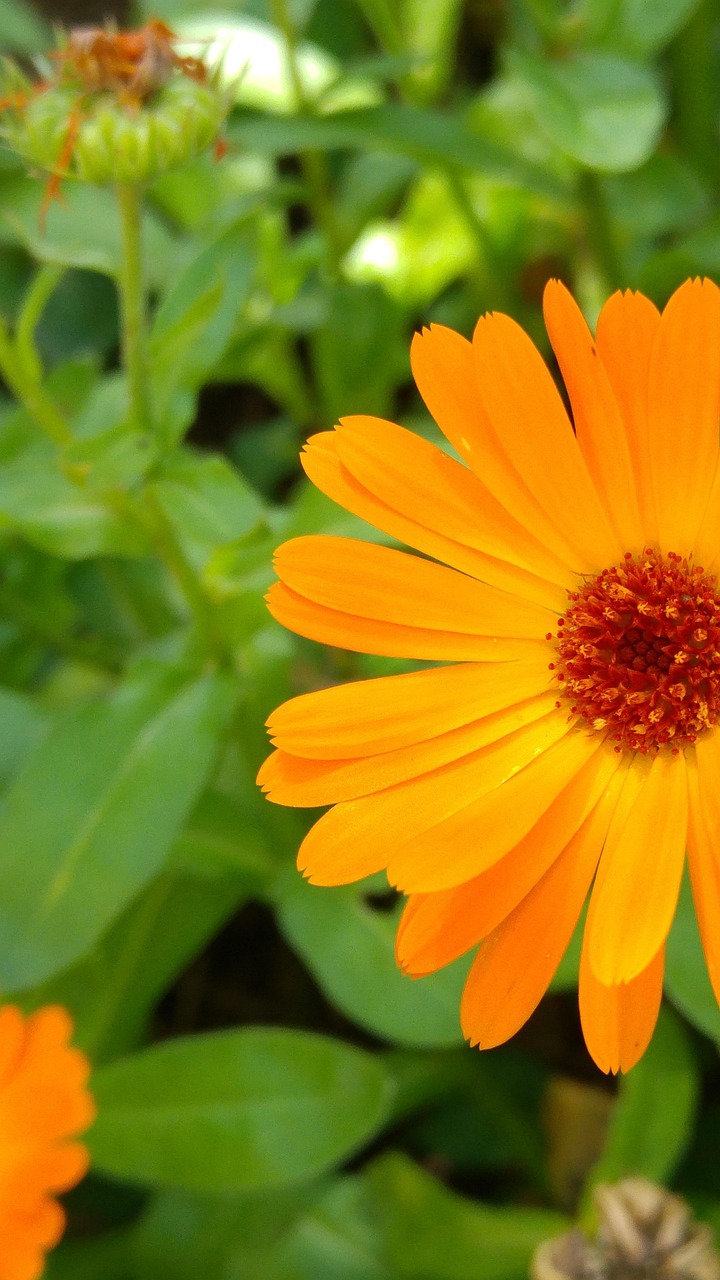
Understanding Calendula's Fragrance Profile
Before diving into our recipe, it's essential to understand what makes calendula oil such a compelling base for natural perfumery. Calendula oil aroma is characterized by its warm, herbaceous notes with subtle honey-like undertones and a gentle earthiness that speaks to its botanical origins.
This complex scent profile makes calendula an excellent middle note in perfume compositions, where it can bridge the gap between bright top notes and grounding base notes. Its natural affinity for the skin also means it may help other fragrance components blend more harmoniously with your body's unique chemistry.
Complete Ingredients List
Difficulty Level: Beginner to Intermediate
Prep Time: 30 minutes
Maturation Time: 2-4 weeks
Yield: Approximately 10ml of perfume
Base Ingredients
- 5ml high-quality calendula-infused carrier oil (sweet almond or jojoba recommended)
- 3ml perfumer's alcohol or high-proof vodka (90% alcohol content minimum)
- 2ml distilled water
Essential Oil Blend (Total: 15-20 drops)
- Top Notes (5-7 drops): Sweet orange, bergamot, or lemon essential oil
- Middle Notes (6-8 drops): Lavender, geranium, or Roman chamomile essential oil
- Base Notes (4-5 drops): Sandalwood, vanilla, or cedarwood essential oil
Equipment Needed
- 10ml dark glass perfume bottle with spray or rollerball top
- Glass measuring pipettes or droppers
- Small glass mixing vessel
- Coffee filter or fine cheesecloth
- Labels for dating and identification
Step-by-Step Instructions
Step 1: Prepare Your Workspace
Begin by thoroughly cleaning all equipment with isopropyl alcohol and allowing to air dry. Work in a well-ventilated area away from direct sunlight, as some essential oils are photosensitive. Ensure your hands are clean and dry before handling any ingredients.
Step 2: Create the Essential Oil Blend
In your glass mixing vessel, carefully add your essential oils in the following order:
- Add base notes first (4-5 drops total)
- Add middle notes second (6-8 drops total)
- Add top notes last (5-7 drops total)
Swirl gently to combine, allowing the oils to marry for 5-10 minutes.
Step 3: Incorporate the Calendula Oil
Slowly add the 5ml of calendula-infused carrier oil to your essential oil blend. This creates what perfumers call the "concentrate"—the heart of your fragrance. Stir gently with a clean glass rod or by swirling the vessel.
Step 4: Add Alcohol and Water
Add the 3ml of perfumer's alcohol to the oil mixture, followed by the 2ml of distilled water. The mixture may appear cloudy initially—this is normal and will clear during the maturation process.
Step 5: Filter and Bottle
Using a coffee filter or fine cheesecloth, strain the mixture into your dark glass perfume bottle. This removes any potential particles and ensures a smooth final product.
Step 6: Maturation
Seal the bottle tightly and store in a cool, dark place for 2-4 weeks. This aging process allows the various components to harmonize and develop their full fragrance potential. Shake gently once weekly during this period.
Critical Safety Warnings
Essential Safety Information: This perfume contains concentrated plant essences that require careful handling and application.
Dilution and Application Safety
- The essential oil concentration in this recipe is approximately 1.5-2%, which is appropriate for leave-on skin application
- Never exceed 20 total drops of essential oils in this recipe size
- Apply only to pulse points—never spray near eyes, mouth, or broken skin
- Use no more than 1-2 sprays or small rollerball applications per use
Patch Testing Protocol
Before using your completed perfume:
- Apply a small amount to the inside of your wrist
- Cover with a bandage and wait 24 hours
- Check for redness, itching, or irritation
- Discontinue use if any adverse reactions occur
Contraindications
- Avoid use during pregnancy or nursing without consulting a healthcare provider
- Not suitable for children under 12 years of age
- People with known sensitivities to Asteraceae family plants should avoid calendula-based products
- Some citrus oils may increase photosensitivity—avoid sun exposure after application
Storage Instructions and Shelf Life
Proper storage is crucial for maintaining your perfume's quality and extending its usable life:
- Storage: Keep in original dark glass container, tightly sealed
- Temperature: Store at room temperature (65-75°F) away from heat sources
- Light: Protect from direct sunlight and fluorescent lighting
- Shelf Life: 12-18 months when stored properly
- Signs of Degradation: Changes in color, scent, or consistency indicate the perfume should be discarded
Creative Variations and Substitutions
The beauty of this DIY calendula recipe lies in its adaptability. Here are some inspired variations to explore:
Seasonal Adaptations
Spring Garden: Replace citrus top notes with neroli or petitgrain, add a drop of rose geranium to the middle notes.
Summer Meadow: Incorporate lemongrass or lemon verbena in top notes, use Roman chamomile as your primary middle note.
Autumn Harvest: Add warm spices like cinnamon leaf or ginger to base notes, use sweet orange and clove bud for complexity.
Winter Solace: Focus on grounding base notes like frankincense and myrrh, with a touch of pine or fir needle.
Carrier Oil Alternatives
- Jojoba Oil: Longest shelf life, most similar to skin's natural sebum
- Fractionated Coconut Oil: Lighter feel, absorbs quickly
- Sweet Almond Oil: Classic choice with mild, pleasant scent
- Grapeseed Oil: Light texture, suitable for sensitive skin
The Art of Natural Perfumery
Creating your own calendula perfume recipe connects you to an ancient tradition of botanical perfumery that dates back thousands of years. Unlike synthetic fragrances that can be overwhelming or cause sensitivities, natural perfumes work in harmony with your skin's chemistry to create a truly personal scent signature.
The calendula oil aromatherapy aspects of this perfume extend beyond mere fragrance. Many people report that wearing natural botanical scents may help promote a sense of well-being and connection to nature throughout their day.
Troubleshooting Common Issues
Cloudy Appearance: Normal during first few days. If cloudiness persists beyond one week, strain again through a finer filter.
Weak Scent: Allow full maturation time. Natural perfumes develop complexity over weeks, not days.
Oil Separation: Shake gently before each use. Some separation is normal in alcohol-based natural perfumes.
Skin Irritation: Discontinue use immediately. Consider reducing essential oil concentration in future batches.
Gifting Your Creation
This DIY calendula fragrance makes an thoughtful, personal gift. Include a note about the ingredients used, storage instructions, and the love poured into its creation. Consider packaging it with dried calendula petals or a small card explaining the traditional uses of calendula in botanical wellness practices.
Remember that homemade perfumes are highly personal gifts that show consideration and creativity. Always inform recipients about ingredients in case of allergies, and suggest they perform a patch test before regular use.
With patience, quality ingredients, and attention to safety, you'll create a signature scent that captures the golden essence of calendula while reflecting your personal style and connection to nature's bounty.