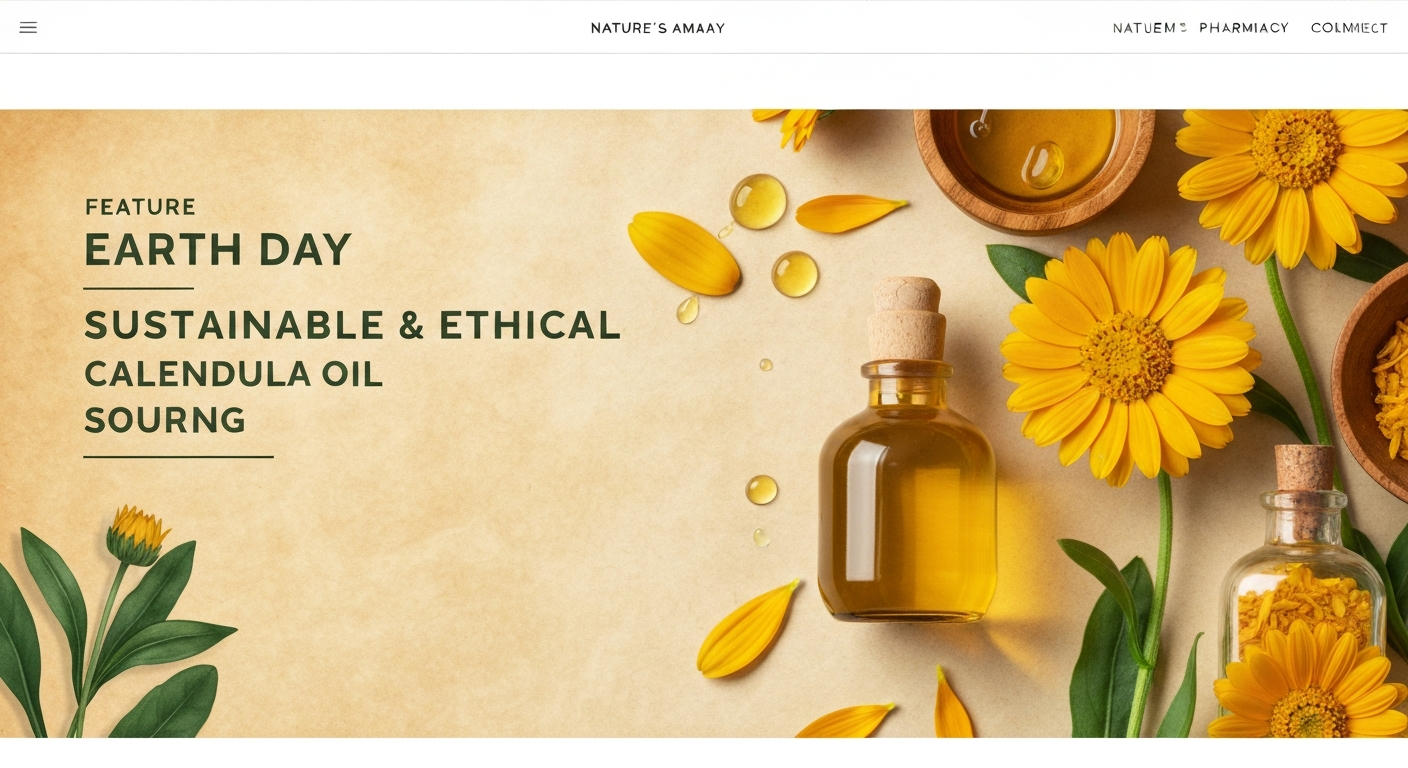
Earth Day Feature: Sustainable & Ethical Calendula Oil Sourcing
As Earth Day approaches each April, consumers increasingly seek products that align with their environmental values. The botanical world offers a beautiful example of how traditional wisdom can meet modern sustainability practices through sustainable calendula oil production. This golden oil, extracted from the vibrant petals of Calendula officinalis, represents more than just a natural ingredient—it embodies a commitment to ethical sourcing that benefits both people and planet.
The demand for ethical calendula oil sourcing reflects a broader shift toward conscious consumption. Today's informed consumers want to understand the journey their products take from seed to shelf, and calendula oil offers a compelling case study in sustainable agriculture and responsible production.
Understanding Sustainable Calendula Oil Production
Sustainable calendula cultivation begins with the soil. Regenerative farming practices focus on building healthy ecosystems that can thrive for generations. Traditional calendula growers often employ crop rotation, allowing fields to rest between plantings while enriching the earth with nitrogen-fixing companion plants.
The calendula plant itself is remarkably hardy and well-suited to sustainable growing methods. These cheerful orange and yellow flowers require minimal water compared to many crops, making them ideal for water-conscious farming regions. Some research suggests that calendula can even improve soil health by attracting beneficial insects and supporting biodiversity.
"The beauty of calendula lies not just in its golden petals, but in its gentle relationship with the earth. A single plant can produce flowers continuously throughout the growing season, offering multiple harvests from one planting."
Organic Certification and Beyond
While organic calendula oil certification provides important baseline standards, truly sustainable production often exceeds these requirements. Organic certification ensures no synthetic pesticides, herbicides, or fertilizers touch the plants, but ethical producers frequently implement additional practices:
- Biodiversity preservation through habitat corridors
- Water conservation using drip irrigation systems
- Renewable energy in processing facilities
- Minimal packaging using recycled or biodegradable materials
- Carbon-neutral shipping methods
The Social Impact of Ethical Sourcing
Ethical calendula oil sourcing extends beyond environmental considerations to encompass fair labor practices and community support. Many calendula farms operate as family businesses or cooperatives, particularly in traditional growing regions of Eastern Europe and Mediterranean countries.
Fair trade principles in calendula production typically include:
- Living wages for agricultural workers: Ensuring farm workers receive compensation that supports their families and communities
- Safe working conditions: Providing proper equipment and training for handling plants and processing equipment
- Community investment: Supporting local infrastructure, education, and healthcare initiatives
- Traditional knowledge preservation: Honoring indigenous and traditional cultivation methods passed down through generations
Supporting Small-Scale Producers
Many sustainable calendula oil producers work directly with small-scale farmers, creating partnerships that benefit entire rural communities. These relationships often provide guaranteed purchase agreements, allowing farmers to plan confidently for future seasons while maintaining traditional cultivation methods that have proven sustainable over centuries.
Environmental Benefits of Calendula Cultivation
Calendula plants offer unique environmental advantages that make them excellent choices for sustainable agriculture. Unlike monoculture crops that can deplete soil nutrients, calendula cultivation may support ecological balance in several ways:
Pollinator Support
Calendula flowers bloom continuously from spring through first frost, providing consistent nectar sources for bees, butterflies, and other pollinators throughout the growing season. Some farmers report that calendula fields become hubs of pollinator activity, supporting not only their own crops but neighboring farms as well.
Companion Planting Benefits
Traditional gardeners have long recognized calendula as an excellent companion plant. When grown alongside vegetables, these flowers may help deter certain pests naturally, reducing the need for interventions. This natural pest management approach aligns perfectly with sustainable farming principles.
Soil Health Improvement
Calendula roots help break up compacted soil, improving drainage and aeration. As annual plants, they contribute organic matter to the soil when tilled under at season's end, participating in the natural cycle of soil enrichment that sustainable farms depend upon.
Processing and Extraction: Maintaining Sustainability
The journey from fresh calendula petals to finished oil requires careful attention to sustainable practices throughout the extraction process. Traditional oil-making methods, such as solar infusion and cold-pressing, naturally align with environmental values by requiring minimal energy input.
Energy-Efficient Extraction Methods
Many ethical producers favor extraction methods that minimize environmental impact:
- Solar infusion: Using sun energy to slowly extract beneficial compounds
- Cold-pressing: Mechanical extraction without heat or chemicals
- Low-temperature processing: Preserving delicate compounds while reducing energy consumption
- Batch processing: Small-scale production that allows for quality control and waste reduction
Waste Reduction Strategies
Sustainable calendula oil producers often implement comprehensive waste reduction programs. Spent plant material becomes compost for future growing seasons, creating closed-loop systems that minimize environmental impact. Some producers even use calendula processing waste to create other products like natural dyes or potpourri ingredients.
Identifying Truly Sustainable Calendula Oil
For consumers seeking genuinely sustainable products, understanding calendula oil certifications provides crucial guidance. However, sustainability extends beyond official certifications to encompass transparent business practices and genuine environmental commitment.
Key Indicators of Sustainable Sourcing
When evaluating calendula oil products, look for these sustainability markers:
- Transparent supply chain information: Companies that readily share details about their growing partners and production methods
- Third-party certifications: Organic, biodynamic, or fair trade certifications from recognized bodies
- Local sourcing when possible: Supporting regional producers reduces transportation impacts
- Minimal packaging: Recyclable or biodegradable containers with minimal excess materials
- Company values alignment: Businesses that demonstrate consistent commitment to environmental stewardship
Questions to Ask Suppliers
Informed consumers can support sustainable practices by asking targeted questions:
- Where are your calendula flowers grown, and what farming methods are used?
- How do you ensure fair compensation for farmers and workers?
- What steps do you take to minimize environmental impact during production?
- Can you provide information about your packaging materials and their recyclability?
- How do you support the communities where your ingredients are sourced?
The Future of Sustainable Calendula Oil
As environmental awareness continues growing, the calendula oil industry shows promising trends toward greater sustainability. Innovative producers are exploring new methods that further reduce environmental impact while maintaining the traditional quality that makes calendula oil so valued.
Emerging Sustainable Practices
Forward-thinking calendula producers are implementing cutting-edge sustainability measures:
- Precision agriculture: Using technology to optimize water and nutrient use
- Carbon sequestration: Farming methods that actively capture atmospheric carbon
- Circular economy principles: Designing production systems with zero waste goals
- Renewable energy integration: Solar and wind power for processing facilities
- Seed saving programs: Preserving genetic diversity and reducing dependence on external inputs
Consumer Role in Driving Change
Consumer choices powerfully influence industry practices. By choosing sustainable calendula oil products and supporting companies committed to ethical calendula oil sourcing, buyers directly encourage continued improvement in environmental and social practices.
Making Earth Day Choices Year-Round
While Earth Day provides an annual moment of reflection, truly sustainable practices require consistent commitment throughout the year. Choosing ethically sourced calendula oil represents one small but meaningful way to support environmental stewardship and social responsibility.
Understanding calendula oil quality helps consumers make informed decisions that align personal values with purchasing choices. High-quality, sustainably produced calendula oil often demonstrates superior characteristics that reflect the care taken throughout the production process.
Practical Steps for Conscious Consumers
Supporting sustainable calendula oil production involves several actionable approaches:
- Research before purchasing: Investigate company practices and certifications
- Choose quality over quantity: High-quality sustainable products often last longer and perform better
- Support transparency: Favor companies that openly share their sourcing and production information
- Consider local options: Explore regional producers when available to reduce transportation impacts
- Share knowledge: Help others understand the importance of sustainable sourcing
As we celebrate Earth Day and consider our impact on the planet, choosing sustainable calendula oil represents a tangible way to support environmental stewardship. These golden oils carry within them not just the essence of cheerful flowers, but the promise of farming practices that nurture both land and community. Through informed choices and continued advocacy for ethical sourcing, consumers can help ensure that the beauty of calendula continues to bloom for generations to come.
Every purchase becomes a vote for the kind of world we want to live in—one where traditional botanical wisdom meets modern sustainability science, creating products that honor both people and planet in equal measure.