Faradiol in Calendula Oil: The Anti-Inflammatory Triterpene Explained
Deep within the golden petals of Calendula officinalis lies a fascinating world of complex chemical compounds, each contributing to the oil's renowned reputation in traditional herbalism. Among these bioactive constituents, faradiol stands out as one of the most studied triterpene compounds, drawing considerable attention from researchers exploring the botanical mechanisms that have made calendula a cornerstone of folk medicine for centuries.
While calendula oil contains numerous beneficial compounds, understanding the specific role of faradiol helps illuminate why this particular botanical extract has maintained its place in traditional wellness practices across diverse cultures. Research observations suggest that faradiol may play a significant role in many of the properties that herbalists have long attributed to calendula preparations.
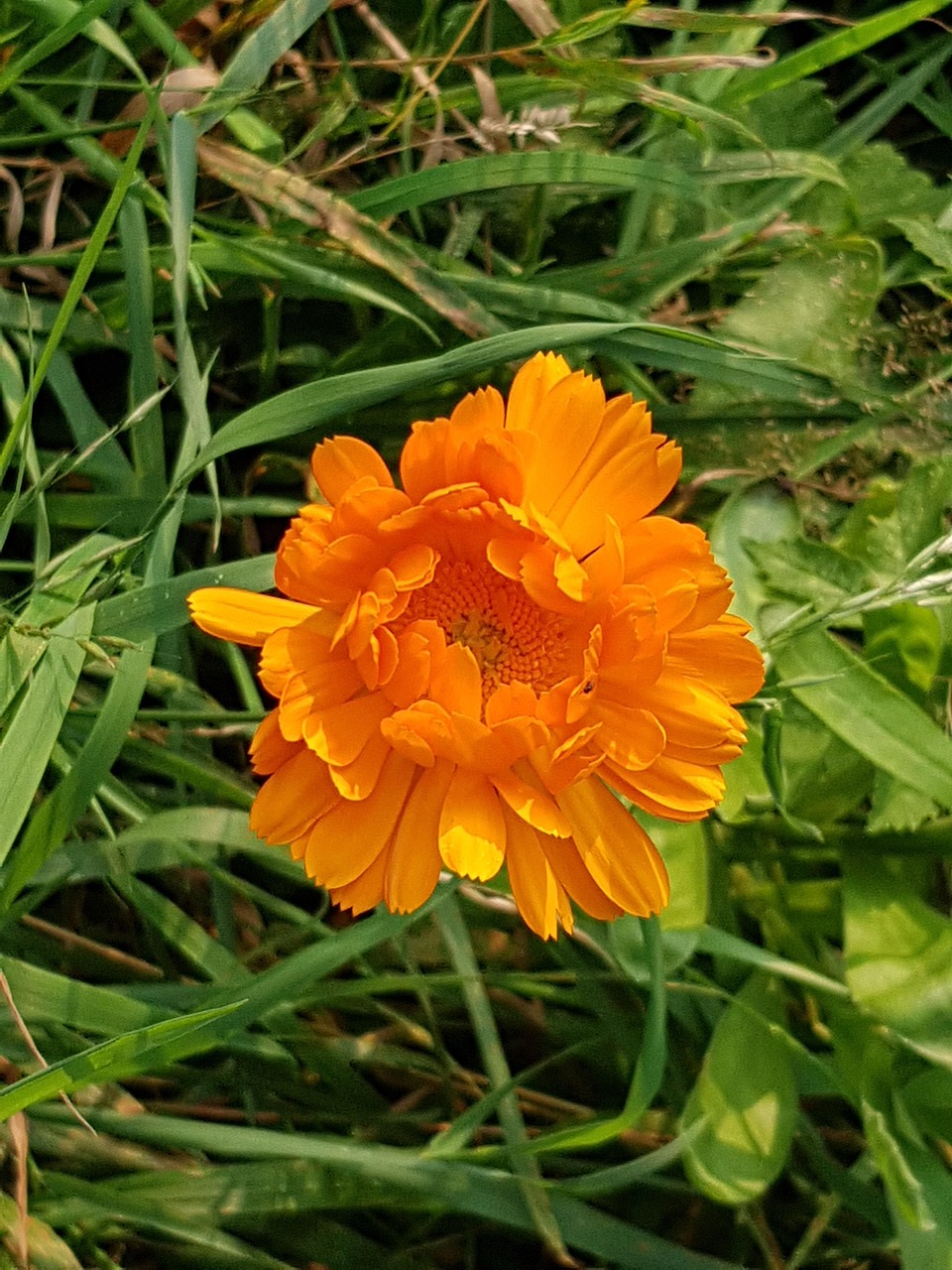
Understanding Triterpenes: The Foundation of Faradiol
To appreciate faradiol's significance, we must first understand its classification as a triterpene. Triterpenes represent a diverse class of naturally occurring compounds found throughout the plant kingdom, characterized by their complex molecular structures built from six isoprene units. These compounds often serve as the plant's natural defense mechanisms and contribute to various botanical properties that humans have utilized for millennia.
Faradiol belongs to a specific subgroup of triterpenes known as pentacyclic triterpenes, distinguished by their five-ring molecular structure. This particular configuration appears to influence how the compound interacts with biological systems, though research in this area continues to evolve. The presence of faradiol and related triterpenes helps explain why calendula oil properties have been so highly valued in traditional botanical applications.
Chemical Structure and Properties
Faradiol's molecular formula (C₃₀H₅₀O₂) reveals its substantial size and complexity. The compound exists as a white, crystalline substance when isolated, though in calendula oil it remains integrated within the complex matrix of other plant constituents. This natural synergy may contribute to what herbalists often describe as the "whole plant" effect, where compounds work together in ways that isolated components might not achieve alone.
The structural features of faradiol include multiple hydroxyl groups, which research suggests may influence its solubility characteristics and potential interactions with biological systems. These chemical properties help explain why faradiol extracts effectively into oil-based preparations rather than water-based extracts, making calendula oil an ideal vehicle for concentrating this particular compound.

Research Observations on Faradiol Activity
Scientific interest in faradiol has grown considerably over the past several decades, with researchers examining its potential mechanisms and biological activities through various laboratory and observational studies. While this research provides valuable insights into the compound's behavior, it's important to note that these findings represent preliminary observations rather than established medical facts.
Anti-Inflammatory Research Findings
Multiple laboratory studies have observed that faradiol appears to interact with inflammatory pathways at the cellular level. Research published in various phytochemistry journals suggests that faradiol may influence the production of certain inflammatory mediators, though the exact mechanisms remain under investigation.
One particularly interesting area of research involves faradiol's apparent interaction with cyclooxygenase enzymes, which play key roles in inflammatory processes. Laboratory observations indicate that faradiol may modulate these enzyme activities, though researchers emphasize that translating these laboratory findings to real-world applications requires careful consideration and further study.
The connection between faradiol and calendula oil anti-inflammatory properties has become a focal point for researchers seeking to understand the botanical mechanisms underlying traditional uses of calendula preparations.
Cellular Studies and Observations
Cell culture studies have provided additional insights into faradiol's potential activities. Researchers have observed that when applied to various cell lines under laboratory conditions, faradiol appears to influence cellular processes related to wound healing and tissue regeneration. However, scientists consistently note that cellular studies represent just one piece of the research puzzle and cannot directly predict how compounds will behave in living organisms.
Some research has suggested that faradiol may influence fibroblast activity—cells crucial for tissue repair and collagen production. These preliminary findings align with traditional uses of calendula in wound care applications, though researchers caution against drawing direct therapeutic conclusions from laboratory observations alone.
Faradiol Content and Variability in Calendula Oil
The concentration of faradiol in calendula oil can vary significantly depending on numerous factors, making quality assessment a complex but crucial consideration for those interested in this compound. Understanding these variables helps explain why different calendula oil products may exhibit varying characteristics and why standardization remains challenging in the natural products industry.
Factors Affecting Faradiol Concentration
Plant Genetics and Cultivar Selection: Different varieties of Calendula officinalis naturally contain varying levels of faradiol. Research has identified certain cultivars that consistently produce higher triterpene content, leading to increased interest in selective breeding for enhanced chemical profiles.
Growing Conditions: Environmental factors significantly influence faradiol production. Studies suggest that soil composition, climate conditions, altitude, and seasonal timing of harvest can all impact triterpene concentrations. Plants grown under mild stress conditions sometimes produce higher levels of protective compounds like faradiol.
Harvest Timing: The stage of flower development at harvest appears to influence faradiol content. Research observations indicate that flowers harvested at peak bloom often contain optimal levels of triterpenes, while early or late harvesting may result in reduced concentrations.
Processing Methods: The extraction technique used to create calendula oil dramatically affects faradiol preservation and concentration. Traditional methods like oil infusion may preserve the compound differently than modern extraction techniques, leading to variations in final product composition.
Analytical Testing and Verification
Quality-conscious producers often employ sophisticated analytical methods to assess faradiol content in their calendula oils. High-performance liquid chromatography (HPLC) and gas chromatography-mass spectrometry (GC-MS) represent the gold standards for triterpene analysis, though these tests require specialized equipment and expertise.
Third-party testing has become increasingly important as consumers seek transparency about product composition. Certificates of analysis that include triterpene profiles provide valuable information about faradiol content, though interpreting these results requires understanding the natural variability inherent in botanical products.
The Synergistic Matrix: Faradiol and Other Calendula Compounds
While faradiol receives considerable attention as an individual compound, researchers increasingly recognize that its activities may be enhanced or modified by the presence of other calendula constituents. This concept of synergy represents a fundamental principle in traditional herbalism and continues to intrigue modern scientists studying botanical extracts.
Complementary Triterpenes
Calendula contains several other triterpene compounds that work alongside faradiol, including arnidiol, lupeol, and various ester derivatives. Research suggests these compounds may have complementary activities, potentially creating a more comprehensive effect than any single compound could achieve alone.
The ratio of different triterpenes appears to vary naturally, leading some researchers to hypothesize that the specific triterpene profile of a calendula oil may influence its overall characteristics. This complexity helps explain why calendula oil science continues to reveal new insights about botanical interactions.
Flavonoids and Carotenoids
Beyond triterpenes, calendula oil contains flavonoids and carotenoids that may interact with faradiol in meaningful ways. Laboratory studies have observed that certain flavonoids appear to enhance the stability of triterpenes, potentially extending their activity and bioavailability.
The bright yellow-orange color of calendula oil reflects its carotenoid content, compounds that research suggests may have their own beneficial properties while potentially supporting the activities of other constituents like faradiol.
Quality Indicators and Sourcing Considerations
For those interested in faradiol-rich calendula oil, understanding quality indicators becomes essential for making informed purchasing decisions. The natural variability in triterpene content makes quality assessment more nuanced than with standardized synthetic products.
Visual and Sensory Indicators
High-quality calendula oil typically exhibits a deep golden to orange color, indicating the presence of carotenoids that often correlate with triterpene content. The oil should have a distinctive, slightly sweet herbal aroma characteristic of calendula flowers.
Texture provides another quality clue—premium calendula oil usually feels rich and slightly viscous, reflecting the concentration of plant compounds. Thin, pale oils may indicate over-dilution or inferior source material.
Production Method Transparency
Reputable producers typically provide detailed information about their extraction methods, flower-to-oil ratios, and processing techniques. Traditional methods like solar infusion or gentle heat extraction often preserve faradiol better than high-temperature processes that may degrade sensitive compounds.
Information about the calendula source—including growing location, organic certification, and harvest practices—provides additional quality assurance. Flowers grown without pesticides and processed promptly after harvest generally yield higher-quality oils with better-preserved triterpene content.
Safety Profile and Considerations
While faradiol and calendula oil generally enjoy a strong safety reputation based on centuries of traditional use, understanding potential considerations remains important for informed use. Research observations suggest that pure faradiol exhibits low toxicity in laboratory studies, though individual sensitivities can vary.
General Safety Observations
Laboratory studies on faradiol toxicity have generally shown favorable safety profiles when tested within normal concentration ranges found in calendula preparations. However, researchers note that safety data on isolated faradiol remains limited compared to whole calendula oil preparations.
The generally mild nature of calendula oil applications aligns with the low toxicity observations for its constituent compounds, including faradiol. Most adverse reactions reported in literature relate to individual sensitivities rather than inherent compound toxicity.
Potential Contraindications
Allergic Sensitivities: Individuals with known allergies to plants in the Asteraceae family (including ragweed, chrysanthemums, and daisies) should exercise caution with calendula products containing faradiol. Cross-reactivity has been reported in some sensitive individuals.
Pregnancy and Nursing: While traditional use suggests calendula oil safety during pregnancy, pregnant and nursing individuals should consult qualified healthcare providers before using products containing concentrated triterpenes like faradiol.
Drug Interactions: Although specific interactions with faradiol have not been extensively studied, individuals taking medications—particularly those affecting inflammation pathways—should discuss calendula oil use with their healthcare providers.
Proper Use Guidelines
For topical applications, patch testing provides a prudent safety measure, especially when using calendula oils with higher triterpene concentrations. Apply a small amount to a discrete skin area and observe for 24-48 hours before broader use.
Quality considerations become safety considerations as well—properly processed, contaminant-free calendula oil reduces the risk of adverse reactions not related to the faradiol content itself.
Future Research Directions
The scientific investigation of faradiol continues to evolve, with researchers exploring new aspects of this fascinating triterpene compound. Several promising areas of inquiry may yield additional insights into faradiol's mechanisms and potential applications.
Bioavailability Studies
Current research gaps include limited understanding of how faradiol is absorbed and metabolized when applied topically or consumed orally. Future studies examining bioavailability could provide important insights into optimal application methods and dosing considerations.
The interaction between faradiol and other calendula compounds in terms of absorption and distribution represents another area where research could illuminate the synergistic principles long recognized in traditional herbalism.
Standardization Efforts
As interest in faradiol grows, researchers are working toward developing standardization methods that could ensure consistent triterpene content across calendula oil products. These efforts involve both analytical method refinement and agricultural approaches to optimize faradiol production.
Understanding the relationship between cultivation practices and faradiol content could lead to more predictable, higher-quality calendula oil production, benefiting both producers and consumers interested in triterpene-rich preparations.
Practical Implications and Considerations
For those interested in incorporating faradiol-rich calendula oil into their wellness routines, several practical considerations can help guide informed decisions. Understanding these factors enables more effective selection and use of calendula products.
Product Selection Strategies
When seeking calendula oil with significant faradiol content, look for products that provide transparency about their source material and processing methods. Oils made from organically grown calendula flowers using traditional extraction methods often contain higher concentrations of intact triterpenes.
Third-party testing certificates that include triterpene analysis provide valuable objective information about faradiol content, though these tests add to product costs and may not be available for all calendula oils.
Storage and Preservation
Proper storage helps preserve faradiol content over time. Research suggests that triterpenes may degrade when exposed to light, heat, or oxygen, making proper storage crucial for maintaining oil quality.
Dark glass containers, cool storage temperatures, and minimal air exposure help preserve faradiol and other sensitive compounds. These storage practices align with traditional methods for preserving botanical preparations.
Conclusion: Faradiol's Place in Calendula's Legacy
The scientific investigation of faradiol represents a fascinating intersection of modern analytical chemistry and ancient botanical wisdom. While research continues to unveil the complex mechanisms underlying this triterpene's activities, the observations made thus far help explain why calendula oil has maintained its revered place in traditional wellness practices.
Understanding faradiol's properties, variability, and potential activities provides valuable context for appreciating calendula oil's complexity. Rather than viewing this as a simple single-compound story, the faradiol research illuminates the sophisticated chemical orchestra that makes calendula preparations so distinctive.
As research methods continue to advance and our understanding of botanical compounds deepens, faradiol and its fellow triterpenes will likely reveal additional secrets about the remarkable plant chemistry that has served humanity for countless generations. The journey of discovery continues, bridging traditional knowledge with modern scientific inquiry.
This article is for educational purposes only. The research findings discussed represent preliminary observations and should not be interpreted as medical advice. Individuals considering calendula oil for wellness purposes should consult with qualified healthcare providers, especially if they have medical conditions, take medications, or experience adverse reactions.