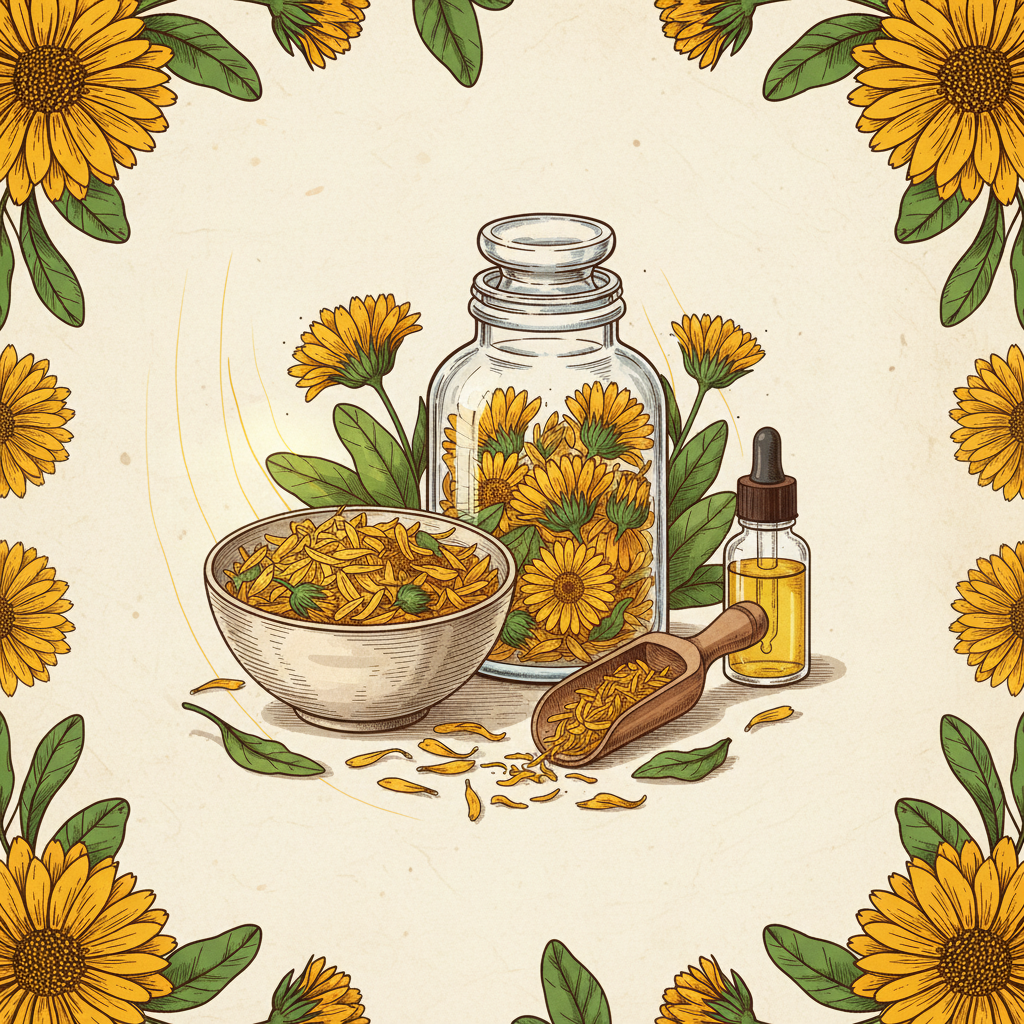
How to Dry Calendula Flowers for Oil Infusion
The art of drying calendula flowers is a time-honored tradition that transforms fresh blooms into concentrated botanical treasures, ready for oil infusion. Whether you've been growing calendula in your own garden or have sourced fresh flowers elsewhere, proper drying techniques are essential for creating high-quality infused oils that preserve the flower's natural compounds and vibrant golden essence.
Calendula officinalis, commonly known as pot marigold, has been cherished for centuries in traditional herbalism. The careful preservation of these cheerful orange and yellow blooms through proper drying methods ensures that their beneficial plant compounds remain intact for future use in oil preparations. Understanding the nuances of this process will elevate your homemade botanical creations from amateur attempts to artisanal quality.
Understanding Calendula Flower Structure
Before diving into the drying process, it's important to understand what makes calendula flowers unique. These composite flowers consist of numerous small petals arranged in a dense head, with a higher moisture content than many other herbs. The petals contain resins, essential oils, and various plant compounds that require gentle, thorough drying to preserve their integrity.
The timing of harvest significantly impacts the quality of your dried flowers. Calendula blooms are best harvested in the morning after the dew has evaporated but before the heat of midday. At this time, the flowers contain optimal levels of beneficial compounds while maintaining the structural integrity needed for successful drying.
Materials and Equipment Needed
Successful calendula flower drying requires the right tools and environment. Gathering these materials before you begin ensures a smooth, efficient process:
Essential Materials:
- Fresh calendula flowers (newly harvested or purchased within 24 hours)
- Clean, sharp garden shears or scissors
- Drying screens or racks (food dehydrator trays work excellently)
- Cheesecloth or fine mesh fabric
- Clean glass jars with tight-fitting lids for storage
- Labels and permanent marker
- Small paper bags (optional, for bundle drying method)
Recommended Equipment:
- Food dehydrator with temperature control
- Fan for air circulation
- Humidity meter (hygrometer)
- Clean kitchen towels
- Small brush for cleaning flowers
The quality of your materials directly impacts the final product. Choose glass storage containers over plastic, as glass doesn't absorb odors or leach chemicals that might compromise your dried flowers' purity.
Step-by-Step Drying Instructions
Method 1: Air Drying (Traditional Method)
Air drying is the most traditional and accessible method for preserving calendula flowers. This gentle approach requires patience but produces excellent results when conditions are right.
Step 1: Prepare Your Workspace
Select a clean, dry area with good air circulation but away from direct sunlight. Basements, attics, or spare rooms often provide ideal conditions. The space should maintain temperatures between 60-70°F (15-21°C) with humidity levels below 60%.
Step 2: Clean and Inspect Flowers
Gently examine each calendula flower, removing any damaged petals, dirt, or small insects. Use a soft brush to clean away debris without damaging the delicate petals. Discard any flowers showing signs of mold, brown spots, or excessive wilting.
Step 3: Prepare for Drying
Remove flowers from stems, keeping only the flower heads. For larger blooms, you may gently separate petals, though whole flower heads often dry more evenly. Arrange flowers in a single layer on drying screens, ensuring they don't touch each other to prevent moisture transfer.
Step 4: Create Optimal Drying Conditions
Cover the arranged flowers with cheesecloth to protect from dust while allowing airflow. Position a fan nearby to maintain gentle air circulation, but avoid direct airflow that might blow petals around.
Step 5: Monitor the Drying Process
Check flowers daily, gently turning them to ensure even drying. The process typically takes 7-14 days, depending on humidity and flower size. Properly dried calendula petals should feel papery and crumble slightly when rubbed between fingers.
Method 2: Dehydrator Drying (Efficient Method)
Using a food dehydrator offers more control over temperature and timing, making it an excellent choice for consistent results.
Step 1: Prepare the Dehydrator
Set your dehydrator to 95-105°F (35-40°C). Higher temperatures may damage delicate compounds in the flowers, while lower temperatures might not remove moisture effectively.
Step 2: Arrange Flowers
Place clean calendula flowers on dehydrator trays in a single layer, ensuring adequate space between each flower for air circulation. Don't overcrowd trays, as this leads to uneven drying.
Step 3: Dehydrate
Run the dehydrator for 6-12 hours, checking every few hours. Rotate trays if your unit doesn't have even heat distribution. Flowers are ready when they feel completely dry and crispy.
Method 3: Oven Drying (Quick Method)
While not ideal for preserving delicate compounds, oven drying can work in a pinch when other methods aren't available.
Step 1: Prepare Oven
Set oven to lowest possible temperature, ideally below 200°F (93°C). Prop the oven door slightly open to prevent overheating and allow moisture to escape.
Step 2: Dry Carefully
Place flowers on parchment-lined baking sheets and dry for 2-4 hours, checking frequently to prevent overheating. This method requires constant attention to avoid burning delicate petals.
Testing for Proper Dryness
Determining when calendula flowers are properly dried is crucial for successful oil infusion and long-term storage. Under-dried flowers retain moisture that can lead to mold growth, while over-dried flowers may lose beneficial compounds.
Properly dried calendula flowers should exhibit these characteristics:
- Feel completely dry and slightly crispy to the touch
- Retain most of their original color, though slight fading is normal
- Break cleanly when bent, rather than bending or feeling leathery
- Produce no condensation when placed in a sealed container
- Maintain their characteristic mild, honey-like scent
If flowers still feel soft or pliable, continue drying. The "snap test" is particularly reliable—properly dried petals should break cleanly rather than bend.
Storage and Preservation
Proper storage is as important as the drying process itself. Well-stored dried calendula flowers can maintain their quality for 1-2 years when kept in optimal conditions.
Immediate Storage Steps:
- Allow flowers to cool completely if using heat-drying methods
- Place dried flowers in clean, dry glass jars with tight-fitting lids
- Fill jars loosely, leaving some air space
- Label with contents and date of drying
- Store in a cool, dark location away from direct sunlight
Avoid storing dried calendula in plastic bags or containers, as these can trap moisture and lead to quality degradation. Glass jars, paper bags, or food-grade metal containers with tight seals work best.
Common Mistakes to Avoid
Learning from common pitfalls can save time and ensure better results in your calendula drying endeavors:
Harvesting Mistakes:
- Picking flowers too late in the day when moisture content is high
- Using flowers that are past their prime or showing signs of decline
- Failing to clean flowers properly before drying
Drying Mistakes:
- Rushing the process with excessive heat
- Overcrowding flowers on drying surfaces
- Ignoring humidity levels in the drying environment
- Not checking progress regularly
Storage Mistakes:
- Storing flowers before they're completely dry
- Using containers that don't seal properly
- Keeping dried flowers in bright or warm locations
- Forgetting to label containers with dates
Quality Assessment and Troubleshooting
Even experienced herbalists encounter challenges when drying calendula flowers. Understanding how to assess and address common issues ensures consistent results.
Signs of Successful Drying:
High-quality dried calendula flowers retain vibrant golden-orange colors, maintain structural integrity, and preserve their subtle, pleasant aroma. When properly dried, flowers should crumble easily and show no signs of moisture or mold.
Troubleshooting Common Issues:
If your flowers develop brown spots during drying, this often indicates too much heat or humidity. Dark, musty odors suggest mold development, requiring immediate disposal of affected flowers. Flowers that remain pliable after extended drying time may need better air circulation or lower humidity conditions.
Preparing for Oil Infusion
Once your calendula flowers are properly dried, you're ready to begin the rewarding process of creating homemade calendula oil. The quality of your dried flowers directly impacts the final oil's color, aroma, and concentration of beneficial plant compounds.
Before beginning any calendula oil recipe, ensure your dried flowers are at room temperature and completely free of moisture. Some herbalists prefer to break larger flower heads into smaller pieces to increase surface area for better oil extraction, while others prefer keeping flowers whole to minimize handling.
Consider the intended use of your finished oil when deciding on flower preparation. Finely broken flowers may create a more concentrated infusion, while whole flowers often produce oils with better filtering characteristics and cleaner appearance.
Seasonal Considerations and Planning
Calendula's long blooming season, typically from late spring through fall, provides multiple harvest opportunities. Planning your drying schedule around weather patterns ensures optimal results. Dry, sunny periods offer ideal conditions for air drying, while humid or rainy seasons may necessitate dehydrator or oven methods.
Many experienced herbalists dry calendula flowers in small batches throughout the growing season rather than attempting large quantities at once. This approach ensures better quality control and provides fresh supplies for various projects throughout the year.
Conclusion
Mastering the art of drying calendula flowers opens doors to creating beautiful, aromatic oils that capture the essence of these remarkable blooms. Whether you choose traditional air drying for its gentle preservation of plant compounds or opt for modern dehydrator methods for consistency and speed, the key lies in patience, attention to detail, and proper storage techniques.
Remember that quality begins with fresh, healthy flowers and continues through every step of the drying process. With practice, you'll develop an intuitive understanding of when flowers are perfectly prepared for oil infusion, creating botanical preparations that reflect both the beauty and traditional wisdom associated with calendula.
The journey from fresh garden blooms to carefully preserved dried flowers represents a connection to generations of herbalists who have valued calendula's golden beauty. As you embark on your own calendula drying adventures, you're participating in this rich tradition while creating the foundation for your own botanical creations.