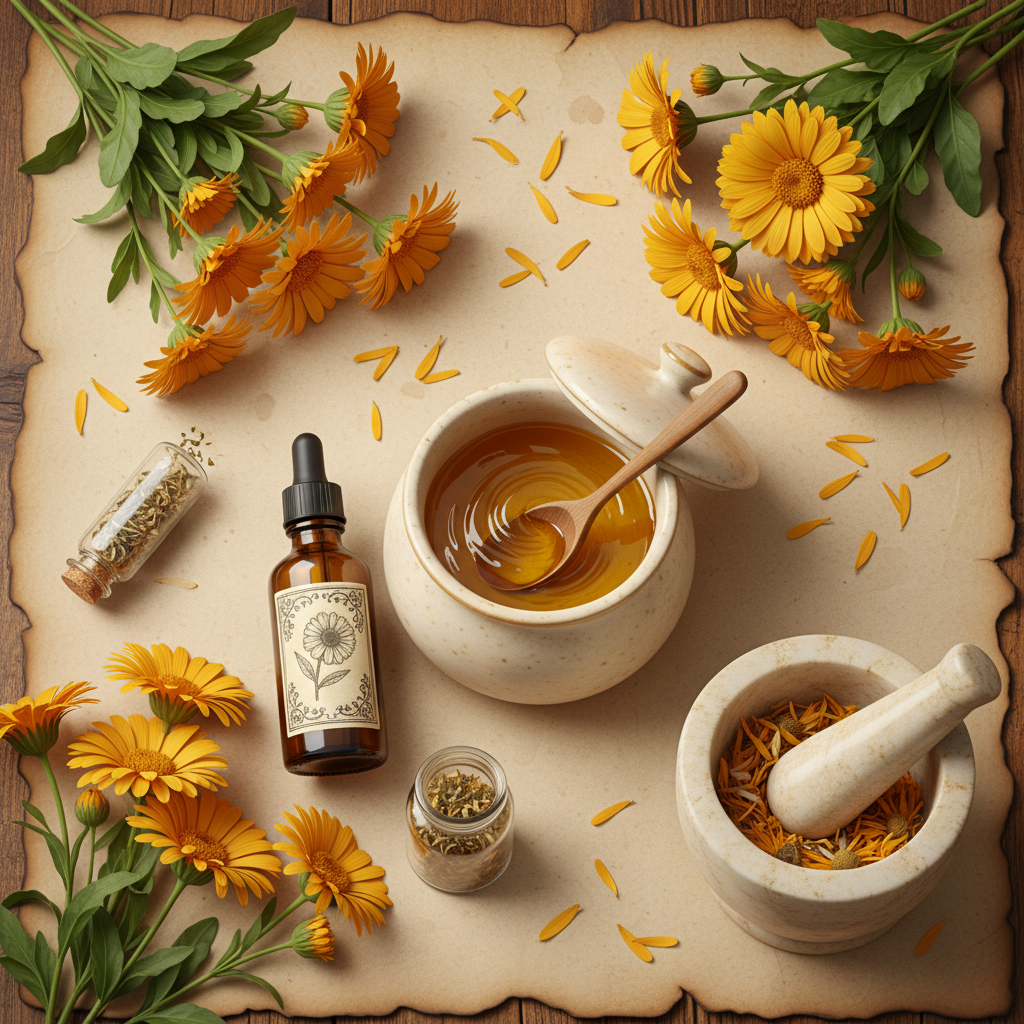
How to Make Calendula Oil Salve for First Aid
The art of creating homemade salves has been passed down through generations, and calendula oil salve remains one of the most cherished preparations in traditional herbalism. This golden, silky balm has been treasured for centuries, with many people reporting positive experiences when used for minor skin concerns. While modern research continues to explore the properties of this remarkable botanical, making your own calendula oil salve allows you to connect with time-honored traditions while creating a versatile addition to your natural first aid kit.
Creating a DIY calendula healing salve is surprisingly straightforward, requiring just a few quality ingredients and some patience. This comprehensive guide will walk you through every step of the process, from gathering materials to troubleshooting common issues that may arise during preparation.
Understanding Calendula Oil Salve
Before diving into the preparation process, it's helpful to understand what makes calendula oil salve special. Traditional herbalists have long valued calendula (Calendula officinalis) for its gentle nature and versatility. The calendula oil properties that make it so beloved include its rich content of flavonoids, triterpenes, and other naturally occurring compounds.
A salve differs from a cream or lotion in its consistency and composition. While creams contain water and require emulsifiers, salves are oil-based preparations that create a protective barrier on the skin. This makes them particularly suitable for situations where you want a preparation that stays put and provides lasting coverage.
People traditionally turn to calendula oil salve for minor scrapes, dry patches, and general skin comfort. Some individuals report that it may help support the skin's natural healing processes, though it's important to note that serious injuries always require professional medical attention.
Essential Materials and Ingredients
The beauty of making calendula oil salve lies in its simplicity. You'll need just a few high-quality ingredients to create an effective preparation.
Primary Ingredients
- Calendula oil - 1 cup (8 oz): This forms the base of your salve. You can purchase high-quality calendula oil or learn how to make calendula oil yourself using dried calendula flowers
- Beeswax - 2-3 tablespoons: This natural wax provides structure and helps the salve maintain its consistency
- Coconut oil - 2 tablespoons (optional): Adds additional moisturizing properties and can help create a smoother texture
Equipment Needed
- Double boiler or improvised double boiler setup
- Glass measuring cups
- Wooden stirring spoon or chopstick
- Small glass jars or tins (2-4 oz capacity)
- Fine-mesh strainer or cheesecloth
- Labels for finished products
- Kitchen scale (for precise measurements)
Optional Additions
- Vitamin E oil - 1/4 teaspoon: May help extend shelf life
- Essential oils - 10-15 drops total: Lavender or tea tree oil are popular choices, but always research proper dilution rates
Step-by-Step Instructions
Step 1: Prepare Your Workspace
Begin by sanitizing all equipment with rubbing alcohol or hot, soapy water. A clean workspace is essential for creating a salve that will store well and remain free from contamination. Lay out all ingredients and tools within easy reach, as the process moves quickly once you begin heating the oils.
Choose a workspace away from drafts and ensure you have good lighting to monitor the color and consistency of your salve as it develops.
Step 2: Set Up Your Double Boiler
If you don't have a traditional double boiler, create one by placing a heat-safe glass bowl or measuring cup inside a saucepan with about an inch of water. The bottom of the glass container should not touch the water – it should be heated by steam, not direct contact with the hot water.
Heat the water to a gentle simmer. Avoid vigorous boiling, as excessive heat can potentially degrade some of the beneficial compounds in your calendula oil.
Step 3: Measure and Combine Base Oils
Pour your calendula oil into the top portion of the double boiler. If using coconut oil, add it now. The coconut oil will melt quickly, creating a uniform base for your salve.
Allow the oil mixture to warm gently. You'll know it's ready when it feels comfortably warm to the touch but not hot enough to cause discomfort.
Step 4: Add the Beeswax
Begin with 2 tablespoons of beeswax if you prefer a softer salve, or use 3 tablespoons for a firmer consistency. Beeswax pellets melt more quickly and evenly than solid blocks, but either form will work.
Add the beeswax to your warm oil mixture and stir gently with a wooden spoon. The wax should begin melting almost immediately in the warm oil. Continue stirring occasionally until the wax is completely dissolved and the mixture appears uniform.
Step 5: Test the Consistency
This step is crucial for achieving the perfect texture. Place a small spoon in the freezer for a few minutes to chill it. Dip the cold spoon into your warm salve mixture and allow it to cool for about 30 seconds.
The cooled mixture on the spoon will give you a preview of your finished salve's consistency. If it's too soft for your preferences, add a bit more beeswax. If it seems too firm, incorporate a little more calendula oil.
Step 6: Add Optional Ingredients
If using vitamin E oil, add it now and stir gently. For essential oils, remove the mixture from heat first and allow it to cool slightly – this prevents the volatile compounds in essential oils from evaporating too quickly.
Remember that essential oils should always be used sparingly and properly diluted. A good rule of thumb is no more than 15 drops per cup of base oil, though some essential oils require even more conservative use.
Step 7: Strain (If Necessary)
If you made your own calendula oil and notice any plant particles, strain the warm salve mixture through a fine-mesh strainer or several layers of cheesecloth. This step ensures a smooth, professional-looking finished product.
Step 8: Pour Into Containers
Working quickly but carefully, pour the liquid salve into your prepared jars or tins. Fill containers nearly to the top, leaving just a small amount of space to prevent overflow as the salve cools and potentially expands.
If you notice any air bubbles, gently tap the containers on your counter to encourage them to rise to the surface.
Step 9: Cool and Set
Allow your salve to cool completely at room temperature. This typically takes 1-2 hours, depending on the size of your containers and the ambient temperature. Avoid moving or jostling the containers during this time, as this can create an uneven surface or texture.
The salve is ready when it feels firm to the touch and has developed an opaque appearance.
Tips for Success
Achieving the Perfect Consistency
The ratio of oil to beeswax determines your salve's final texture. In warmer climates, you may need slightly more beeswax to maintain a firm consistency. Conversely, in cooler environments, less beeswax might be preferable for easier application.
Keep detailed notes about your ratios and the resulting texture. This information becomes invaluable for future batches and allows you to customize the consistency to your preferences.
Quality Ingredient Selection
The quality of your calendula oil significantly impacts the final product. Look for oil with a rich, golden color and a pleasant, herbaceous aroma. Pale or odorless calendula oil may indicate lower potency or older ingredients.
Similarly, choose beeswax from reputable suppliers. Fresh beeswax should have a mild, sweet honey scent and a clean appearance. Avoid wax that appears overly processed or has an artificial smell.
Temperature Management
Maintaining proper temperature throughout the process is crucial. Overheating can potentially damage beneficial compounds in your calendula oil, while insufficient heat won't adequately melt the beeswax.
The ideal temperature range is between 120-140°F (49-60°C). If you don't have a thermometer, the mixture should feel warm but not uncomfortably hot when touched briefly.
Common Mistakes to Avoid
Overheating the Mixture
One of the most frequent errors is applying too much heat. High temperatures can potentially degrade the quality of your calendula oil and may cause the mixture to separate or develop an unpleasant texture.
Always use gentle heat and be patient with the melting process. It's better to take a few extra minutes than to risk compromising your ingredients.
Incorrect Oil-to-Wax Ratios
Using too much beeswax creates a hard, difficult-to-apply salve, while too little results in a mixture that won't maintain its shape. Start with the recommended ratios and adjust gradually based on your climate and preferences.
Contamination Issues
Failing to properly sanitize equipment or introducing water into the mixture can lead to contamination and shortened shelf life. Remember that salves are oil-based preparations – any water content can promote bacterial or fungal growth.
Premature Cooling
Pouring the salve into containers before it's properly mixed can result in separation or uneven consistency. Ensure all components are fully incorporated before removing from heat.
Safety Considerations and Precautions
While calendula is generally considered gentle and well-tolerated by most people, it's important to observe proper safety protocols when making and using homemade preparations.
Patch Testing
Before using your finished salve extensively, perform a patch test. Apply a small amount to the inside of your wrist or elbow and wait 24-48 hours to ensure no adverse reactions occur.
This is particularly important if you've added essential oils or if you have sensitive skin or known allergies.
Proper Storage
Store your finished salve in a cool, dry place away from direct sunlight. Properly made and stored calendula oil salve can maintain its quality for 6-12 months, though some people prefer to use smaller batches within 3-6 months for optimal freshness.
When to Seek Professional Care
While calendula oil salve is traditionally used for minor skin concerns, it's crucial to recognize when professional medical attention is necessary. Deep cuts, infected wounds, burns covering large areas, or any injury that doesn't show improvement within a few days should be evaluated by a healthcare provider.
Additionally, if you experience any unusual reactions after using your salve, discontinue use and consult with a qualified healthcare professional.
Traditional Uses and Applications
Historically, people have turned to calendula preparations for a wide variety of minor skin concerns. Understanding these traditional applications can help you make the most of your homemade salve.
Many individuals report positive experiences using calendula oil salve for minor scrapes, dry patches of skin, and general skin comfort. Some people find it helpful for addressing the discomfort associated with minor cuts and abrasions, though it's important to note that calendula oil wound healing applications should be limited to superficial, minor injuries.
The salve's occlusive properties mean it creates a protective barrier that may help maintain the skin's natural moisture balance. This characteristic has made it popular among people dealing with dry, cracked skin, particularly during harsh weather conditions.
Variations and Customizations
Herbal Combinations
While calendula oil forms an excellent base, some herbalists enjoy combining it with other traditional botanical oils. Comfrey, plantain, or chamomile oils can be blended with calendula oil in various ratios to create unique preparations.
When experimenting with combinations, maintain the same oil-to-wax ratios and always research the properties and appropriate uses of any additional herbs you incorporate.
Consistency Variations
You can adjust the texture of your salve for different applications:
- Softer salve: Reduce beeswax to 1.5-2 tablespoons per cup of oil
- Firmer salve: Increase beeswax to 3-4 tablespoons per cup of oil
- Lip balm consistency: Use 4-5 tablespoons of beeswax per cup of oil
Troubleshooting Common Issues
Grainy Texture
If your finished salve feels grainy or gritty, this usually indicates that the beeswax wasn't completely melted or that the mixture cooled too quickly. To fix this, gently remelt the salve and stir thoroughly, then allow it to cool more gradually.
Separation
Oil separation can occur if the mixture wasn't properly emulsified or if water accidentally entered the preparation. Prevention is better than correction – ensure all equipment is completely dry and maintain proper mixing throughout the process.
Too Soft or Too Hard
Consistency issues are easily corrected by remelting the salve and adjusting the oil-to-wax ratio. Add more beeswax for firmer consistency or more oil for softer texture.
Storage and Shelf Life
Proper storage significantly impacts both the shelf life and quality of your calendula oil salve. Glass containers are preferable to plastic, as they don't interact with the oils and provide better protection against oxidation.
Label each container with the preparation date and ingredients list. This information becomes particularly valuable if you make multiple batches or experiment with different formulations.
Signs that your salve may be past its prime include changes in color, development of an off odor, or alterations in texture. When in doubt, it's better to prepare a fresh batch than risk using a potentially degraded product.
Final Thoughts
Creating your own calendula oil salve connects you with centuries of herbal tradition while providing you with a versatile preparation for your natural first aid kit. The process itself is meditative and rewarding, and the skills you develop will serve you well as you explore other homemade preparations.
Remember that while this DIY calendula healing salve represents traditional knowledge passed down through generations, it's not intended to replace professional medical care when needed. Always prioritize safety, perform patch tests, and don't hesitate to seek professional guidance for serious injuries or persistent skin concerns.
As you gain experience making calendula oil salve, you may find yourself drawn to other aspects of herbalism and natural preparation. This simple salve often serves as a gateway to a deeper understanding of botanical traditions and the satisfaction that comes from creating useful, natural products with your own hands.
Take pride in your creation, share your knowledge with others who might benefit, and enjoy the peace of mind that comes from having a time-tested, gentle preparation ready when minor skin concerns arise.