
Polysaccharides in Calendula: The Immune-Boosting Component
Within the vibrant petals of Calendula officinalis lies a complex world of bioactive compounds, each contributing to the plant's remarkable reputation in traditional wellness practices. Among these fascinating molecules, polysaccharides stand out as particularly intriguing components that have captured the attention of researchers worldwide. These complex carbohydrates may offer insights into why calendula has been treasured for centuries as a botanical ally for overall wellness support.
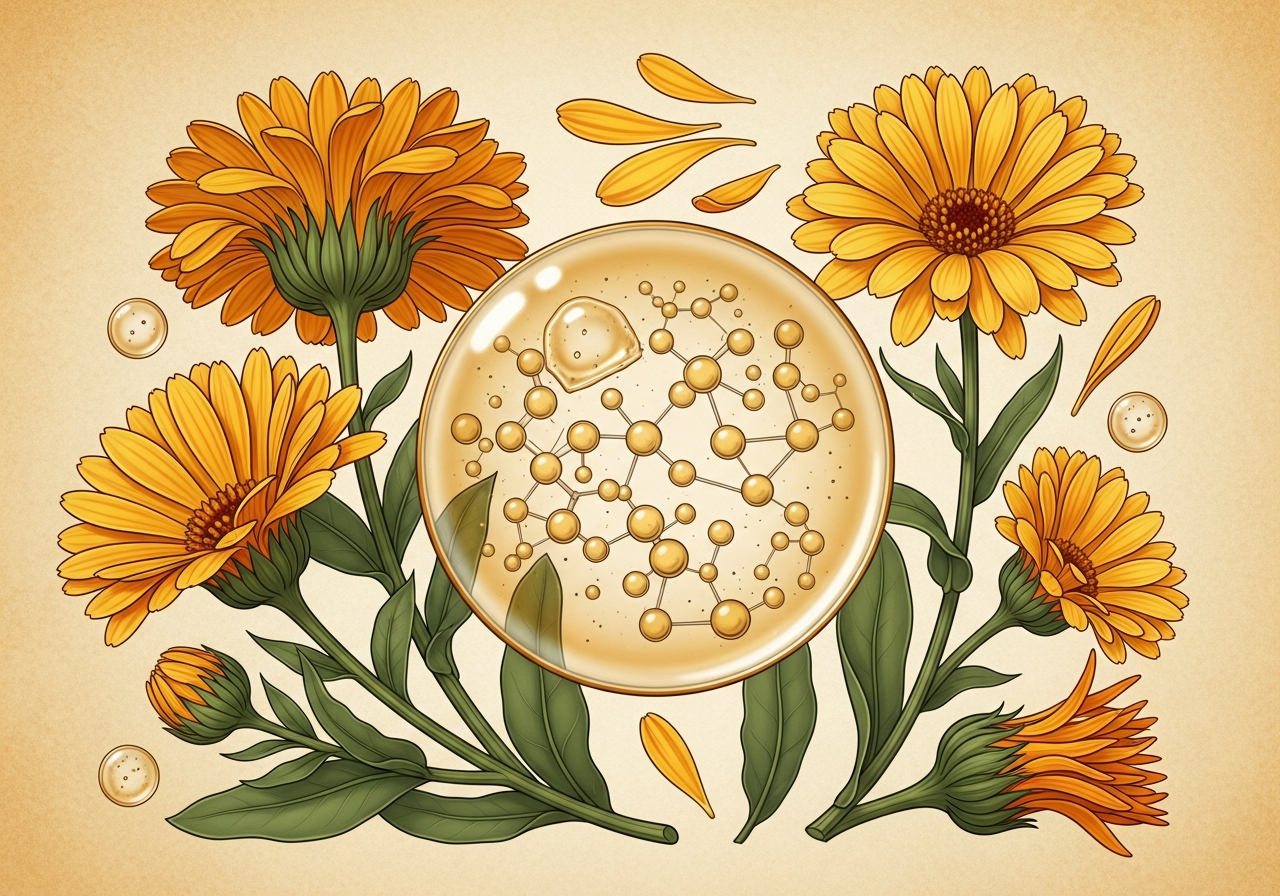
Understanding the intricate chemistry of calendula polysaccharides opens a window into the sophisticated mechanisms that nature employs to create compounds with potential wellness-supporting properties. As we explore these remarkable molecules, we'll examine what current research observations suggest about their role in calendula oil properties and their potential contributions to human wellness.
Understanding Polysaccharides: Nature's Complex Carbohydrates
Polysaccharides represent some of nature's most sophisticated molecular architectures. These large, branched molecules consist of multiple sugar units linked together in intricate patterns, creating structures that can contain hundreds or even thousands of individual sugar components. In calendula, these complex carbohydrates serve multiple functions for the plant while potentially offering interesting properties when extracted and concentrated.
Research observations suggest that calendula polysaccharides belong primarily to the category of mucilaginous compounds, which give the plant its characteristic soothing properties when applied topically. Some research indicates that these molecules may include arabinogalactans, rhamnogalacturonans, and other complex carbohydrate structures that contribute to the plant's traditional uses.
The molecular weight of calendula polysaccharides can vary significantly, with some studies reporting ranges from 10,000 to over 100,000 daltons. This variation in size and structure may contribute to the diverse range of properties that people have traditionally associated with calendula preparations.
Chemical Composition and Structural Analysis
Modern analytical techniques have revealed fascinating details about the chemical composition of calendula polysaccharides. Spectroscopic analysis and chromatographic studies suggest that these compounds contain various sugar components, including galactose, arabinose, rhamnose, and glucuronic acid in different proportions.
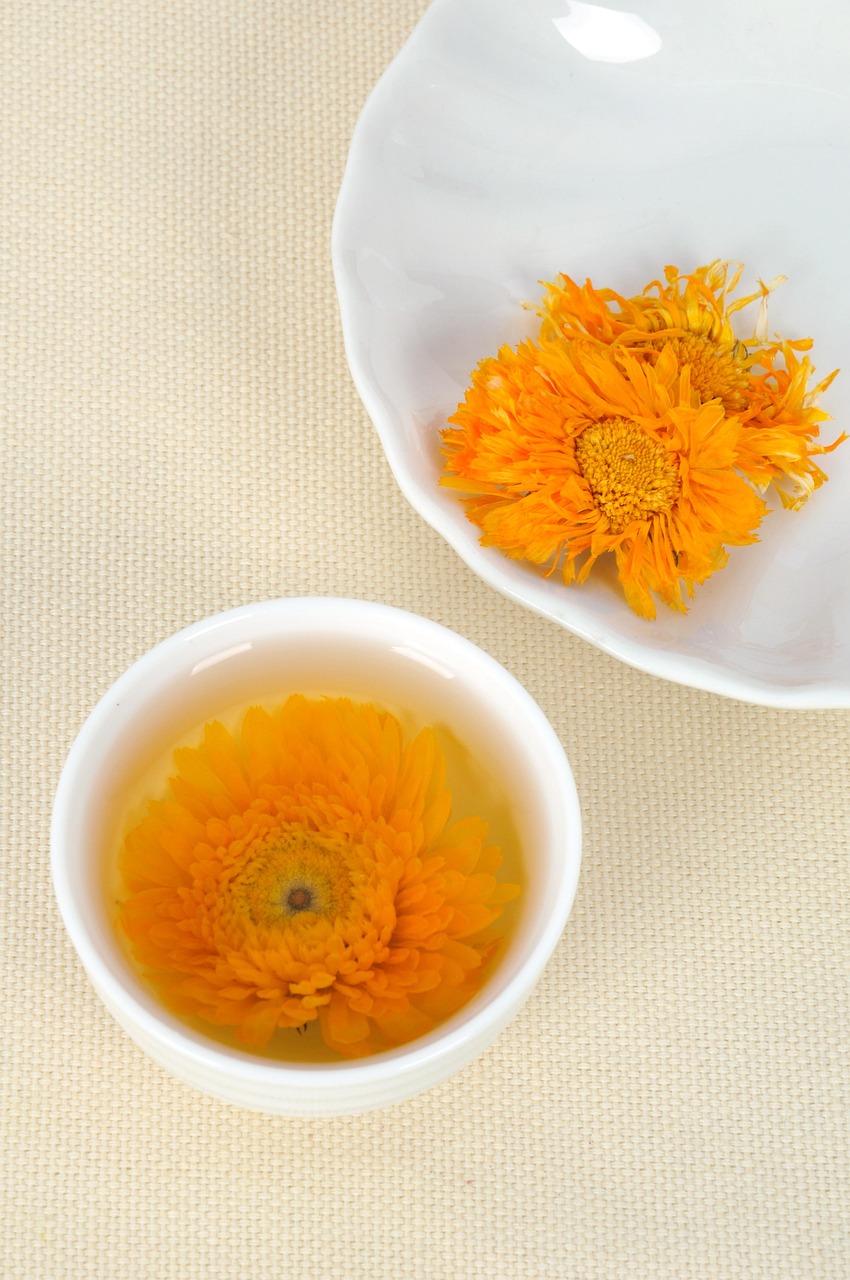
One particularly interesting structural feature that researchers have identified is the presence of branched chain formations. These branching patterns may influence how the polysaccharides interact with other molecules and potentially contribute to their observed properties in laboratory settings.
Key Polysaccharide Components
Research has identified several distinct types of polysaccharides in calendula extracts:
- Arabinogalactans: These compounds, comprising arabinose and galactose units, represent a significant portion of calendula's polysaccharide content. Laboratory observations suggest these molecules may have interesting interaction patterns with cellular components.
- Rhamnogalacturonans: Complex pectin-like structures that may contribute to the mucilaginous properties traditionally associated with calendula preparations.
- Neutral polysaccharides: Sugar-based compounds that don't carry electrical charges, which some research suggests may influence their solubility and interaction patterns.
- Acidic polysaccharides: Molecules containing uronic acid components that may contribute to the overall chemical profile of calendula extracts.
The relative concentrations of these different polysaccharide types can vary based on factors such as growing conditions, harvest timing, and extraction methods used in processing.
Research Observations on Calendula Polysaccharides
Scientific investigation into calendula polysaccharides has yielded intriguing observations, though it's important to note that most research has been conducted in laboratory settings or preliminary studies. These findings provide educational insights into the potential mechanisms that may underlie calendula's traditional uses.
In Vitro Laboratory Studies
Several in vitro studies have examined how calendula polysaccharides interact with various cellular components in laboratory conditions. Some research suggests that these compounds may influence cellular communication pathways, though the mechanisms remain subjects of ongoing investigation.
One area that has attracted researcher attention is how these polysaccharides may interact with immune system components in laboratory settings. Some studies have observed interesting patterns when calendula polysaccharides are introduced to immune cell cultures, though researchers emphasize that laboratory observations don't necessarily translate to effects in living organisms.
Additional laboratory investigations have examined the antioxidant activity of calendula polysaccharides using various chemical assays. Some research suggests these compounds may have the ability to interact with free radicals in test tube conditions, contributing to the overall antioxidant profile that characterizes many calendula oil benefits.
Animal Model Research
A limited number of animal studies have investigated calendula polysaccharides, providing additional research observations about their potential properties. These studies typically involve controlled laboratory conditions and should be interpreted as preliminary scientific investigations rather than definitive evidence of effects in humans.
Some animal research has observed patterns suggesting that calendula polysaccharides may influence various physiological processes, though researchers consistently note that animal studies have significant limitations when considering potential human applications.
Extraction and Bioavailability Studies
Research into extraction methods has revealed important insights about how processing techniques can influence the final polysaccharide content and structure in calendula preparations. Some studies suggest that water-based extractions tend to yield higher concentrations of certain polysaccharide types, while alcohol-based extractions may favor different molecular components.
The question of bioavailability - how well these large molecules might be absorbed and utilized by the human body - remains an active area of research. Some studies suggest that topical application may allow for localized interaction with skin cells, while oral consumption faces the challenge of digestive breakdown of these complex molecules.
Potential Mechanisms of Action
While research continues to investigate how calendula polysaccharides might exert their observed effects, several potential mechanisms have been proposed based on laboratory observations and theoretical considerations.
Cellular Interaction Patterns
Some research suggests that polysaccharides may interact with cellular surface receptors, potentially influencing various cellular processes. These interactions appear to be highly structure-dependent, with different polysaccharide configurations potentially producing different patterns of cellular response in laboratory settings.
The large, complex structure of these molecules may allow them to present multiple interaction sites simultaneously, potentially creating opportunities for multi-faceted cellular communication that researchers are still working to understand.
Potential Influence on Inflammatory Pathways
Laboratory studies have observed that calendula polysaccharides may interact with various molecular pathways associated with inflammatory processes. Some research suggests these compounds might influence the production or activity of certain signaling molecules, though the specific mechanisms remain subjects of ongoing investigation.
It's important to emphasize that these observations come from controlled laboratory conditions and don't constitute evidence of therapeutic effects. Rather, they provide scientific insights into the complex biochemical interactions that may occur when these compounds are present.
Quality Factors and Sourcing Considerations
The polysaccharide content and quality in calendula preparations can vary significantly based on numerous factors throughout the cultivation, harvest, and processing chain. Understanding these variables can help consumers make more informed decisions when selecting calendula products.
Cultivation Factors
Research suggests that growing conditions significantly influence polysaccharide production in calendula plants. Factors that may affect polysaccharide content include:
- Soil composition: The mineral content and pH of growing soil may influence the types and concentrations of polysaccharides produced.
- Climate conditions: Temperature, humidity, and seasonal variations may affect polysaccharide synthesis patterns.
- Harvest timing: The developmental stage of flowers when harvested can influence polysaccharide content and composition.
- Organic vs. conventional growing: Some research suggests that organic growing practices may influence the chemical profile of resulting extracts.
Processing and Extraction Methods
The method used to extract and concentrate calendula polysaccharides significantly impacts the final product quality. Different extraction techniques may preferentially extract certain types of polysaccharides while leaving others behind.
Water-based extractions typically yield higher concentrations of water-soluble polysaccharides, while oil-based extractions may incorporate different molecular components. The temperature and duration of extraction can also influence the integrity and concentration of final polysaccharide content.
Quality Indicators to Consider
When evaluating calendula products for their potential polysaccharide content, several quality indicators may be relevant:
- Third-party testing: Products that undergo independent laboratory analysis for polysaccharide content and purity may offer greater quality assurance.
- Extraction method transparency: Manufacturers who provide detailed information about their extraction methods may indicate higher quality control standards.
- Source traceability: Products with clear information about flower source and growing conditions may suggest more careful attention to quality factors.
- Concentration specifications: Products that specify polysaccharide concentrations or provide standardization information may offer more consistent quality.
Safety Profile and Considerations
Calendula polysaccharides are generally considered to have a favorable safety profile based on the plant's long history of traditional use and limited research observations. However, as with any botanical compound, certain considerations and potential contraindications should be understood.
General Safety Observations
Traditional use data suggests that calendula preparations containing polysaccharides are well-tolerated by most people when used topically. The mucilaginous nature of these compounds may actually contribute to soothing properties that people have traditionally valued.
Limited research suggests that calendula polysaccharides may be relatively stable compounds that don't readily break down into potentially problematic metabolites under normal storage and use conditions.
Potential Sensitivities and Contraindications
While adverse reactions to calendula polysaccharides appear to be uncommon, certain considerations should be noted:
- Allergic sensitivities: Individuals with known allergies to plants in the Asteraceae family (including ragweed, daisies, and marigolds) should exercise caution with calendula products.
- Patch testing: Before widespread topical use, conducting a patch test on a small area of skin may help identify potential sensitivities.
- Pregnancy and nursing: While calendula has traditional use during pregnancy, consulting with qualified healthcare providers is recommended before use during pregnancy or nursing.
- Drug interactions: Though not well-documented, the theoretical possibility of interactions with medications should be considered, particularly for those taking multiple medications.
Quality-Related Safety Considerations
The safety of calendula polysaccharide products may also depend on processing and quality factors:
- Contamination risks: Products from sources with inadequate quality control may risk contamination with pesticides, heavy metals, or microbial contaminants.
- Processing solvent residues: Extraction methods using chemical solvents may potentially leave residues that could affect safety profiles.
- Adulteration concerns: Products that aren't properly authenticated may contain unlisted ingredients or adulterants that could affect safety.
Integration with Overall Calendula Science
Calendula polysaccharides represent just one component of the complex chemical symphony that characterizes this remarkable plant. Understanding how these compounds may work in concert with other calendula constituents provides a more complete picture of the plant's traditional uses and modern research observations.
The broader calendula oil science encompasses interactions between polysaccharides, flavonoids, triterpenes, and other bioactive compounds. Some research suggests that these molecular interactions may create synergistic effects that are greater than the sum of individual components.
This holistic understanding aligns with traditional herbal perspectives that have long recognized calendula as a complete botanical entity rather than a collection of isolated compounds. Modern research continues to explore these complex interactions and their potential implications for human wellness applications.
Future Research Directions
The field of calendula polysaccharide research remains active, with several promising directions for future investigation. Understanding current research limitations and future possibilities provides context for interpreting existing findings and anticipating new developments.
Areas that researchers have identified as priorities for future study include:
- Structural characterization: More detailed analysis of polysaccharide structures and their relationship to observed properties.
- Bioavailability studies: Investigation of how these large molecules are processed and utilized in human physiology.
- Mechanism elucidation: Deeper understanding of the cellular and molecular pathways through which polysaccharides may exert their observed effects.
- Clinical investigations: Carefully designed human studies to better understand potential applications and optimal usage patterns.
- Standardization methods: Development of reliable methods for measuring and standardizing polysaccharide content in commercial products.
Practical Considerations for Consumers
For individuals interested in calendula products that may contain beneficial polysaccharides, several practical considerations can guide informed decision-making while maintaining realistic expectations about current scientific understanding.
When evaluating products, consumers might consider looking for manufacturers who provide transparency about their extraction methods, source materials, and quality testing procedures. Products that specify polysaccharide content or provide certificates of analysis may offer greater confidence in quality and consistency.
It's also important to maintain realistic expectations about current research limitations. While laboratory studies and traditional use provide interesting insights, they don't constitute proof of specific health benefits. Consumers should view calendula polysaccharides as one component of a broader approach to wellness that includes proper nutrition, appropriate healthcare, and consultation with qualified healthcare providers when needed.
As with any botanical product, individual responses may vary, and what works well for one person may not be suitable for another. Paying attention to personal responses and adjusting usage accordingly, while maintaining open communication with healthcare providers, represents a balanced approach to incorporating calendula products into personal wellness routines.
Conclusion: The Complex World of Calendula Polysaccharides
Calendula polysaccharides represent a fascinating example of nature's molecular complexity, offering insights into the sophisticated chemistry that underlies traditional botanical wisdom. While current research provides intriguing observations about these compounds, it's important to view these findings as part of an ongoing scientific conversation rather than definitive conclusions about therapeutic applications.
The study of calendula polysaccharides illustrates the value of combining traditional knowledge with modern scientific methods to better understand the natural world around us. As research continues to evolve, these compounds may offer valuable insights into plant-human interactions and the potential role of complex carbohydrates in supporting human wellness.
For consumers interested in calendula products, understanding the science behind polysaccharides can inform more thoughtful product selection and usage approaches. However, this knowledge should always be balanced with realistic expectations about current research limitations and the importance of consulting with qualified healthcare providers for personalized wellness advice.
The golden petals of calendula continue to reveal their secrets slowly, and polysaccharides represent just one chapter in this ongoing story of botanical discovery. As we continue to learn more about these remarkable compounds, they serve as a reminder of the intricate relationships between plants and human wellness that have sustained traditional practices for generations while inspiring modern scientific inquiry.