
Saponins in Calendula: Understanding Their Cleansing & Healing Power
Within the golden petals of Calendula officinalis lies a fascinating array of bioactive compounds, among which saponins stand as some of the most intriguing. These naturally occurring glycosides have captured the attention of botanical researchers for their unique cleansing properties and potential role in the plant's traditional uses. As we delve into the molecular world of calendula saponins, we'll explore their chemical structure, research observations, and what makes them such remarkable components of this beloved botanical.
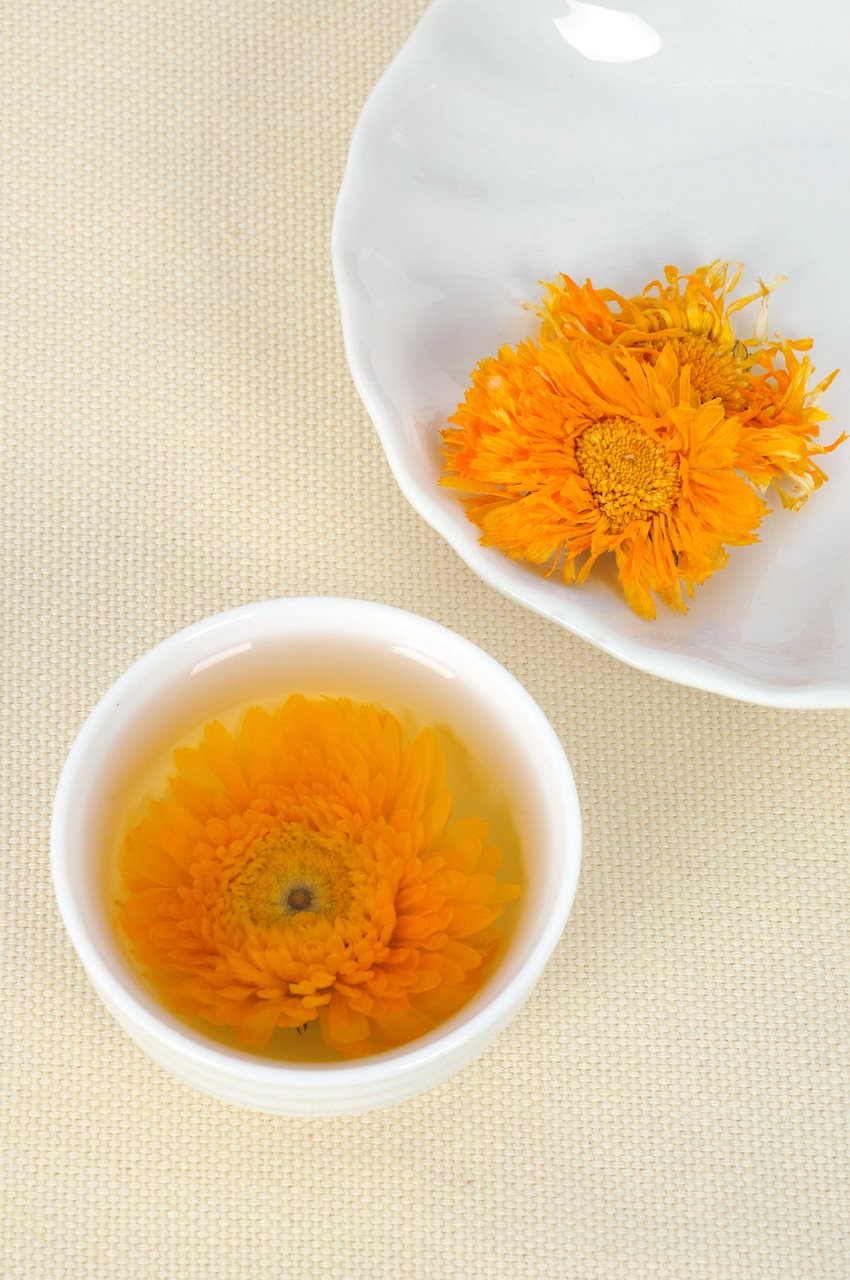
The Chemical Foundation of Calendula Saponins
Saponins derive their name from the Latin word "sapo," meaning soap, a reference to their natural ability to create foam when agitated with water. In calendula, these complex molecules consist of a sugar moiety (glycone) attached to a non-sugar component (aglycone), typically a triterpene or steroid backbone.
Research has identified several distinct saponin compounds within calendula flowers, with oleanolic acid glycosides being among the most abundant. These molecules demonstrate the plant's sophisticated biochemical arsenal, developed over millennia of evolutionary adaptation.
Primary Saponin Compounds in Calendula
Scientific analysis has revealed that calendula contains several key saponin types:
- Oleanolic acid saponins: The predominant group, known for their surfactant properties
- Calenduloside derivatives: Unique to calendula species, these compounds may contribute to the plant's distinctive characteristics
- Glucuronide saponins: Water-soluble compounds that enhance the plant's cleansing potential
- Bidesmosidic saponins: Complex molecules with dual sugar attachments
The concentration of these saponins can vary significantly based on growing conditions, harvest timing, and processing methods, highlighting the importance of quality sourcing in calendula oil properties.
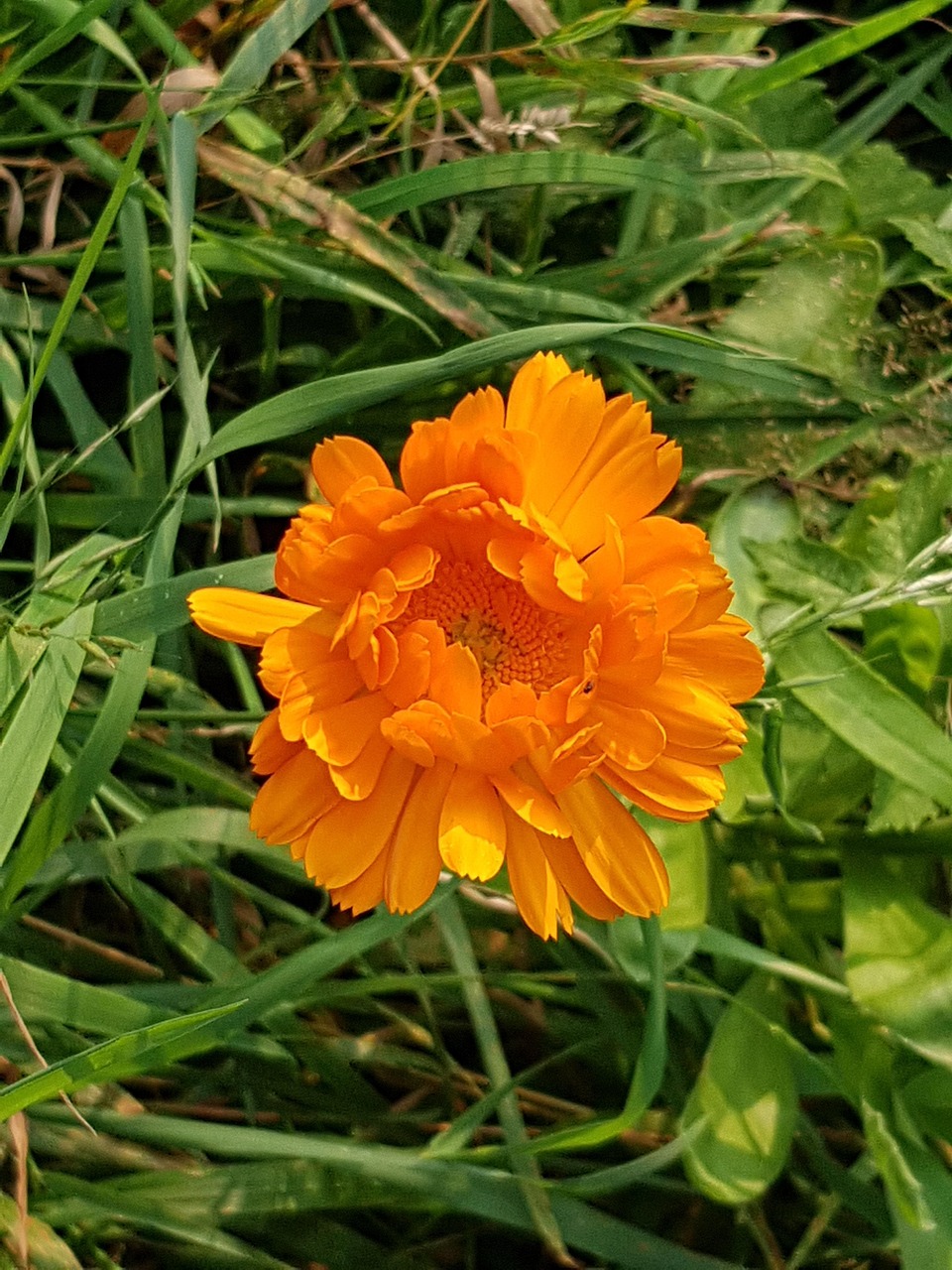
Understanding Saponin Structure and Function
The unique amphiphilic nature of saponins—possessing both water-loving (hydrophilic) and oil-loving (lipophilic) portions—gives them their characteristic cleansing abilities. This molecular design allows saponins to act as natural emulsifiers, helping to blend oil and water-based substances.
In calendula, saponins are primarily concentrated in the flower heads, with some research suggesting that the outer petals contain higher concentrations than the central disc florets. This distribution pattern may explain why traditional preparations often emphasized the use of whole flower heads rather than isolated plant parts.
The Molecular Mechanism
When calendula saponins encounter cell membranes, their unique structure allows them to interact with lipid bilayers. Laboratory observations suggest this interaction may influence membrane permeability, though researchers emphasize that these are preliminary findings requiring further investigation.
The triterpene backbone of calendula saponins shares structural similarities with compounds found in other botanically significant plants, suggesting these molecules may play important ecological roles in plant defense and adaptation mechanisms.
Research Observations on Calendula Saponins
Scientific interest in calendula saponins has grown considerably over the past two decades, with researchers investigating their properties through various analytical methods. While findings remain preliminary, several interesting observations have emerged from laboratory studies.
Cleansing and Surface Activity Studies
Research conducted on calendula extracts has documented the surface tension-reducing properties of saponin-rich preparations. Some studies suggest that calendula saponins demonstrate comparable surface activity to commercial surfactants, though researchers note that natural variations in saponin content can influence these measurements.
One particularly interesting observation comes from comparative studies examining different extraction methods. Research suggests that water-based extractions tend to concentrate saponins more effectively than alcohol-based methods, though both approaches yield bioactive compounds with distinct profiles.
Cellular Interaction Studies
Laboratory investigations using cell culture models have provided insights into how calendula saponins may interact with various cell types. Some research suggests these compounds may influence cellular processes, though scientists emphasize that in vitro observations don't necessarily translate to real-world applications.
Researchers have noted that calendula saponins appear to maintain stability across different pH levels, suggesting they may retain their properties under various conditions. However, they caution that more research is needed to fully understand these mechanisms.
The Role of Saponins in Traditional Calendula Uses
Historical texts and ethnobotanical records document calendula's use across numerous cultures, often highlighting its cleansing applications. While we cannot make medical claims about these traditional uses, the presence of saponins may help explain why ancient practitioners valued calendula for external applications.
Traditional preparation methods, such as oil infusions and water-based extractions, would have captured different saponin profiles. Modern analysis suggests that the calendula oil cleansing properties may be influenced by the extraction method used, with some techniques favoring saponin retention while others emphasize different compound classes.
Historical Preparation Methods and Saponin Content
Archaeological evidence and historical documents reveal that various cultures developed sophisticated methods for preparing calendula. Some techniques, such as solar infusions and cold-water extractions, may have been particularly effective at preserving saponin content, though this remains an area of ongoing research.
Interestingly, some traditional preparations combined calendula with other saponin-rich plants, possibly creating synergistic cleansing formulations. Modern research into these combination approaches remains limited but represents an intriguing area for future investigation.
Extraction and Concentration Methods
The method used to extract calendula significantly influences the saponin profile of the final product. Understanding these differences helps explain why various calendula preparations may exhibit different characteristics.
Water-Based Extractions
Aqueous extraction methods tend to concentrate water-soluble saponins effectively. Research suggests that temperature and extraction time significantly influence saponin yield, with moderate heat applications potentially increasing extraction efficiency without degrading sensitive compounds.
Oil Infusion Methods
Traditional oil infusions, while primarily extracting fat-soluble compounds, may also capture some saponins through co-extraction processes. The relationship between calendula oil for skin applications and saponin content remains an active area of research interest.
Modern Extraction Techniques
Contemporary extraction methods, including supercritical fluid extraction and ultrasonic-assisted extraction, offer new possibilities for saponin concentration. Some research suggests these methods may preserve saponin integrity better than traditional heat-based approaches, though optimal parameters continue to be refined.
Quality Indicators and Sourcing Considerations
When evaluating calendula products for saponin content, several quality indicators can provide valuable insights:
Analytical Testing Methods
High-performance liquid chromatography (HPLC) represents the gold standard for saponin analysis in calendula products. Quality suppliers may provide certificates of analysis documenting saponin content, though standardization methods continue to evolve.
Some manufacturers use foam index testing as a simpler measure of saponin activity, though this method provides less specific information than chromatographic analysis.
Source Material Quality
The saponin content of calendula products begins with the quality of the source material. Several factors influence saponin levels in fresh calendula:
- Harvest timing: Research suggests that saponin content may vary throughout the flowering season
- Growing conditions: Soil composition, water availability, and climate may influence saponin production
- Plant variety: Different calendula cultivars may exhibit varying saponin profiles
- Post-harvest handling: Drying methods and storage conditions can impact saponin stability
Processing and Storage Factors
Once extracted, saponins may be sensitive to certain environmental conditions. Research suggests that exposure to extreme temperatures, light, and oxidative conditions may affect saponin stability over time.
Quality manufacturers typically store saponin-rich extracts in controlled environments and may use antioxidant systems to help preserve compound integrity.
Safety Profile and Considerations
While calendula has a long history of traditional use, understanding the safety profile of saponin-containing preparations remains important for informed decision-making.
General Safety Observations
Research on calendula saponins suggests they are generally well-tolerated in typical applications. However, as with any botanical compound, individual sensitivities may occur.
Some studies have noted that high concentrations of saponins may cause mild irritation in sensitive individuals, emphasizing the importance of appropriate dilution and patch testing before broader use.
Potential Contraindications
While serious adverse reactions to calendula saponins appear to be rare based on available research, certain considerations warrant attention:
- Allergic sensitivities: Individuals with known sensitivities to plants in the Asteraceae family should exercise caution
- Concentration levels: Higher saponin concentrations may increase the likelihood of skin sensitivity
- Application area: Mucous membranes may be more sensitive to saponin-containing preparations
- Combination effects: Using multiple saponin-rich products simultaneously may increase exposure levels
Safe Usage Guidelines
Based on current research and traditional use patterns, several safety principles emerge:
- Start with lower concentrations and observe individual response
- Perform patch testing before broader application
- Consider total saponin exposure from multiple sources
- Discontinue use if irritation or sensitivity develops
- Consult qualified healthcare providers before use, especially for individuals with existing health conditions
The Intersection of Science and Traditional Knowledge
The study of calendula saponins represents a fascinating intersection between traditional botanical knowledge and modern analytical science. While traditional practitioners may not have understood the molecular basis of calendula's properties, their empirical observations often align with contemporary research findings.
This convergence highlights the value of investigating traditional plant uses through scientific methods, potentially uncovering mechanisms that explain historical applications while respecting the limitations of current knowledge.
Future Research Directions
Several areas warrant continued investigation in calendula oil science:
- Standardization of saponin analysis methods
- Optimization of extraction techniques for specific saponin profiles
- Investigation of potential synergistic effects with other calendula compounds
- Long-term stability studies of saponin-rich preparations
- Exploration of genetic factors influencing saponin production in calendula varieties
Practical Implications for Consumers
Understanding calendula saponins can help consumers make more informed decisions about calendula products. While saponin content represents just one aspect of calendula's complex chemical profile, it provides insights into the plant's cleansing characteristics and traditional applications.
When selecting calendula products, consider seeking suppliers who provide analytical information about their extracts and demonstrate commitment to quality sourcing and processing methods. Remember that the presence of saponins, while scientifically interesting, does not constitute a health claim or guarantee of specific outcomes.
Integration with Other Botanical Knowledge
Calendula saponins work within the broader context of the plant's complete chemical profile, which includes flavonoids, essential oils, and other bioactive compounds. This complexity reminds us that botanical effects likely result from multiple compound interactions rather than single isolated molecules.
As research continues to unveil the sophisticated chemistry of calendula, we gain deeper appreciation for the intricate relationships between plant compounds and their collective properties.
Conclusion: The Continuing Story of Calendula Saponins
The study of calendula saponins reveals the remarkable complexity hidden within these seemingly simple golden flowers. From their unique molecular architecture to their potential role in traditional applications, saponins represent just one chapter in calendula's rich botanical story.
While research continues to explore the properties and mechanisms of these fascinating compounds, current knowledge suggests that saponins contribute to calendula's distinctive characteristics, particularly its natural cleansing properties. However, we must remember that individual compounds work within the context of the whole plant, creating complex interactions that we're only beginning to understand.
As consumers and researchers alike continue to explore the potential of calendula preparations, the careful study of compounds like saponins provides valuable insights while maintaining appropriate respect for the limitations of current scientific understanding. The journey of discovery continues, promising new insights into this remarkable botanical treasure.
Always consult with qualified healthcare providers before using botanical preparations, especially if you have existing health conditions or are taking medications. This article is for educational purposes only and does not constitute medical advice.